


When selecting a globe valve for oxygen line applications, it’s essential to prioritize safety and compatibility. Carefully verify that all materials used in the globe valve for oxygen line are suitable for oxygen service to prevent leaks, corrosion, or rust. Choosing the correct valve ensures optimal system performance and reliability. Selecting the wrong globe valve for oxygen line use can lead to serious issues such as corrosion, leaks, or joint failures. The table below highlights the primary risks:
|
Risk Type |
Description |
|---|---|
|
Corrosion, cracking, pressure-boundary risk |
Using incompatible materials in a globe valve for oxygen line can cause corrosion, thinning of the valve walls, and reduced structural integrity. |
|
Seat leakage, trim wear, unstable throttling |
Incorrect trim or seat selection may result in leaks and unstable flow control, especially under high pressure in oxygen lines. |
|
Packing, gasket, and bolting mismatch |
Failing to match these components can cause leaks or joint failures, even if the main valve body is suitable for oxygen service. |
LIANGGU VALVE offers expert guidance and customized solutions to ensure you select the right globe valve for oxygen line requirements.
Key Takeaways
-
Put safety first by picking globe valves made from stainless steel, Monel, or copper alloys. These materials do not rust or corrode easily.
-
Make sure the globe valve works well with oxygen service. This helps stop leaks and fires. Do not use cast iron or carbon steel.
-
Choose the right size globe valve for your system. Think about how much flow and pressure you need. This keeps everything working well.
-
Add anti-static parts and flame arrestors to your design. These help make oxygen lines safer.
-
Check and take care of your globe valves often. This makes sure they work right and follow industry rules.
Globe Valve for Oxygen Line: Key Requirements
Oxygen Service Hazards
Working with oxygen lines can be dangerous. Oxygen helps many things burn faster. Some metals, like iron, can catch fire in oxygen. You need to watch out for things that can start fires. Friction, sudden changes in pressure, or static electricity can cause fires inside the valve. People can make mistakes when using or fixing valves. These mistakes can cause leaks or fires. That is why you need a globe valve for oxygen line that follows strict safety rules.
-
Iron and other low ignition point materials can burn in oxygen.
-
Friction, quick pressure changes, and static electricity can start fires.
-
Mistakes by workers can cause leaks or fires.
Safety and Material Compatibility
You need to pick a globe valve for oxygen line with safe materials. Choosing the right material is very important. If you use the wrong material, it can rust, corrode, or even catch fire. LIANGGU VALVE makes globe valves from stainless steel, Monel, and copper alloys. These materials do not rust easily and help stop fires. Do not use gate valves for oxygen lines above 0.1MPa. Gate valves can collect rust and cause fires. Always use valves made for oxygen service.
For more safety, choose valves with anti-static parts. These parts stop static electricity from building up inside the valve. You should also put flame arrestor copper sections in the pipeline. Check and fix your system often to keep it safe. Only trained people should use oxygen valves.
-
Use globe valves made for oxygen service.
-
Pick materials like stainless steel, Monel, and copper alloys.
-
Choose valves with anti-static parts.
-
Put flame arrestors in the pipeline.
-
Check and fix valves often and train workers.
Application and Service Conditions
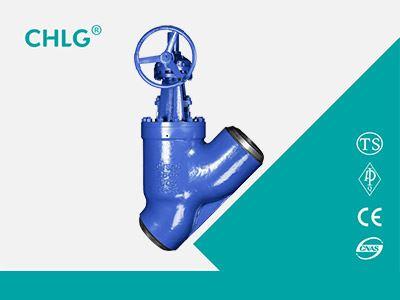
You need to match the globe valve for oxygen line to your system. Think about the pressure, temperature, and what flows in your pipes. LIANGGU VALVE has globe valves that work up to 2500LB pressure and from -196°C to +650°C. You can pick different body shapes like T-pattern, Y-pattern, or angle pattern to fit your pipes.
The table below shows some common materials and their uses for oxygen service:
|
Material Type |
Properties |
Purpose |
|---|---|---|
|
Inconel 600 |
Strong against oxidation, works at high temperatures |
Used for valve body |
|
Monel K500 |
Very strong, resists corrosion |
Used for valve disc |
|
ASTM A182 |
Tough stainless steel |
Used for main valve |
|
Copper Alloy |
Good strength |
Used for sealing |
|
Anti-static design |
Stops static electricity |
Used for safety |
Always check your system’s pressure, temperature, and flow before picking a globe valve for oxygen line. This careful choice keeps your system safe and working well for a long time.
Tip: Talk to LIANGGU VALVE experts to help you pick the best materials and design for your oxygen line.
Selecting LIANGGU VALVE Globe Valve: Material & Design
Material Choices for Oxygen Lines
You must pick the right materials for your globe valve. If you use the wrong material, it can rust or cause fires. LIANGGU VALVE makes globe valves from stainless steel, Monel, and copper alloys. These materials are strong against rust. Stainless steel is safe and works in many oxygen systems. Monel and copper alloys help stop sparks and lower fire danger. Do not use cast iron or carbon steel. They can rust and react with oxygen.
The table below shows some common materials and their benefits for oxygen service:
|
Material |
Benefit for Oxygen Lines |
|---|---|
|
Stainless Steel |
High corrosion resistance, safe for oxygen |
|
Monel |
Excellent corrosion resistance, spark-proof |
|
Copper Alloy |
Good corrosion resistance, reduces fire risk |
Note: Always check if the material works with your process. This step helps you stop rust and keeps your system safe.
Globe Valve Body Designs
You can choose from different globe valve body designs. Each design fits a special need. LIANGGU VALVE has T-pattern, Y-pattern, and angle pattern globe valves. T-pattern valves are good for most uses. Y-pattern valves lower pressure drop and help with high flow. Angle pattern valves turn the flow and save space.
-
T-pattern: Good for most oxygen line uses.
-
Y-pattern: Best for lower pressure drop and smooth flow.
-
Angle pattern: Useful when you need to turn the flow 90 degrees.
These designs make installation easier. You can match the valve body to your pipes. This choice makes your work faster and safer.
Bellows Seal and Emission Control
You should think about sealing and emission control when picking a globe valve. LIANGGU VALVE has globe valves with bellows seals. Bellows seals stop leaks and keep oxygen inside. This feature protects workers and equipment. Bellows seals also keep outside air from getting in. This keeps your oxygen pure.
LIANGGU VALVE globe valves meet international standards like API, GB, DIN, and JIS. You can ask for custom options to fit your project. The company checks every valve for leaks and strength before shipping. You get safe and reliable performance.
Tip: Ask LIANGGU VALVE about custom sealing options if you have special needs. The team can help you pick the best globe valve for your oxygen line.
Globe Control Valve Sizing & Flow
Valve Sizing for Oxygen Applications
You must pick the right size globe control valve for your oxygen line. The right size keeps your system safe and working well. If you choose a valve that is too small or too big, you can have problems. These problems include leaks, bad control, or even damage. Here are steps to help you match the globe control valve to your pipeline and flow needs:
-
Find out your flow needs. Know the lowest, highest, and best flow rates for your system.
-
Think about the fluid’s properties. Look at how thick, heavy, and hot or cold the oxygen is.
-
Check the pressure needs. Look at the pressure before and after the valve and the biggest pressure drop allowed.
-
Think about valve size and materials. Use special math and ask LIANGGU VALVE experts to help you pick the right globe control valve and materials.
-
Remember to install and check the valve often. Good setup and regular checks keep your globe control valve working well.
Making valves for oxygen service means you must balance flow speed, pressure, and cost. If you ignore the speed limits in safety rules, your system could be in danger.
Flow Capacity and Pressure Ratings
The globe control valve must handle the flow and pressure of your oxygen line. You want the valve to work in most of its range. The best spot is about 60% to 80% of the highest flow it can do. If the valve is too small, you can get choked flow and not reach the flow you need. If the valve is too big, you lose control and it is hard to set the flow.
-
A globe control valve that is too small can choke the flow and block your system.
-
Cavitation can happen, which can hurt the valve.
-
A globe control valve that is too big can make it hard to control the flow.
LIANGGU VALVE has globe control valves from DN10 to DN1200, with pressure classes up to 2500LB. This big range lets you match the globe control valve to your pipes and helps the fluid move well.
Response Time and Operation Methods
You should also think about how you will use the globe control valve. The way you open and close the valve changes how fast and well it works. You can pick from different ways:
-
Pneumatic actuators are fast and work well. They are good for quick jobs in oxygen service.
-
Electric actuators give you exact control and are easy to use with machines. They are slower than pneumatic actuators.
-
Manual and gear-operated globe control valves are simple and cheap for jobs that are not as important.
The right way to open and close the valve helps you get the best safety and performance from your globe control valve. LIANGGU VALVE has all these choices, so you can pick what works best for you.
Sealing, Standards & Maintenance for Globe Valve
Leakage Prevention and Seal Types
When you pick a globe valve for oxygen lines, sealing is very important. The right seal stops leaks and keeps the system safe. Each part of the valve uses special materials and designs to help sealing. The table below shows how each part helps:
|
Sealing Component |
Material Used |
Functionality Description |
|---|---|---|
|
Valve Seat |
Inconel body alloys |
Makes a strong surface that helps seal better. |
|
Valve Disc |
MonelK500 nickel-copper alloys |
Has different hardness to improve sealing. |
|
Middle Flange Seal |
Pressure self-sealing form |
Makes a tight seal when pressure is high. |
|
Valve Bonnet Upper Seal |
Inconel 625 |
Handles high pressure and stops leaks. |
|
Valve Stem Anti-rotation Mechanism |
N/A |
Keeps the stem moving straight for good sealing. |
|
Internal Pressure Self-sealing |
N/A |
Seals better as pressure goes up and fights corrosion. |
|
Elastic Groove in Sealing Ring |
N/A |
Gives a springy effect to help seal. |
|
Special Sealing Angle |
N/A |
Matches the stuffing box to make a tight seal. |
You should know what causes leaks. Leaks can happen for many reasons. The table below lists some causes:
|
Cause of Leakage |
Description |
|---|---|
|
Erosion and Cavitation |
Fast flow or particles can hurt the valve. |
|
Poor Machining Quality |
Bad manufacturing can make cracks or holes. |
|
Improper Installation and Maintenance |
Wrong setup or not enough care can cause damage. |
|
Impurities Jamming |
Dirt or scale can block the valve. |
|
Intentional Damage |
Bad design or misuse can cause problems. |
|
Application-Related Damage |
Normal use can wear out parts. |
Industry Standards and Certifications
You must make sure your globe valve follows strict rules. LIANGGU VALVE uses international standards for oxygen globe valves. These rules help the valve seal tightly and work safely. The table below shows some important standards:
|
Standard |
Description |
|---|---|
|
ISO 5209-77 |
Marking for industrial valves |
|
ISO 5752-88 |
Length of metal valves in pipe systems |
|
ISO 6704-89 |
Classification for automatic steam traps |
|
ISO/DIN |
Steel globe valve with bolted bonnet |
|
DIN 85003-4-1997 |
Delivery rules for shipbuilding globe valves |
You can trust LIANGGU VALVE to meet these standards. This means the valves are safe and work well.
Installation and Maintenance Best Practices
You need to keep your globe valve clean and take care of it. Always follow the manuals for installation and maintenance. Only trained workers should do maintenance. Use lubricants that work with oxygen and keep the area clean. Tag each valve so you know which one it is. Use clean rooms for building and testing. Follow these best steps:
-
Keep valves clean all the time.
-
Use valves only for their main job.
-
Tag valves at the site and when removed.
-
Let trained people do maintenance.
-
Use clean rooms for assembly and testing.
-
Store and install valves in clean places.
You should use special tests to check for dirt or contamination. These tests include looking, using ultraviolet light, wipe tests, and water break tests. Good records help you track maintenance and testing. This keeps your oxygen line safe and your globe valve working well.
You can pick the right globe valve for oxygen lines by doing these things:
-
Know what your system does and what fluid you use.
-
Choose materials that do not rust and are safe with oxygen.
-
Make sure the globe valve is the right size for your flow. Check the Cv rating too.
-
Pick the globe valve type that works best for your job.
-
Choose if you want to open the valve by hand, air, or electricity.
-
Make sure the globe valve lets you control the flow well.
-
Look for tight seals and choose the best seat material.
-
Plan so you can put in and fix the valve easily.
-
Check that the globe valve follows the rules for your industry.
-
Think about how much it costs and how long it will last.
When you focus on safety, good materials, size, sealing, and rules, you keep your system and workers safe. LIANGGU VALVE can help you with advice and special globe valves for your oxygen line. You can trust their team to help you get safe and steady flow control. Always think about what you need and talk to experts before you pick a globe valve.
FAQ
What information do you need to select a globe valve for oxygen lines?
You need to give:
-
Pipe size
-
Pressure class
-
Medium (oxygen)
-
Temperature
-
Connection type
-
Operation method
Tip: Tell LIANGGU VALVE about your project. They can help you pick the best globe valve.
Can you customize globe valves for special oxygen applications?
Yes, you can. LIANGGU VALVE gives:
-
Special materials
-
Unique sizes
-
Custom sealing
-
Different actuators
You get a globe valve that matches what you need.
How do you keep a globe valve clean for oxygen service?
You should:
-
Store valves in clean rooms
-
Wear clean gloves when touching valves
-
Check for oil and dust before you install
A clean globe valve keeps your oxygen line safe.
What standards do LIANGGU VALVE globe valves meet?
|
Standard |
Description |
|---|---|
|
API 600 |
Valve design and testing |
|
GB |
Chinese standards |
|
DIN |
European standards |
|
JIS |
Japanese standards |
You get globe valves that follow safety rules from around the world.
Why should you avoid cast iron or carbon steel for oxygen lines?
Cast iron and carbon steel can rust and react with oxygen. This can cause leaks or fires. You should use stainless steel, Monel, or copper alloys to stay safe.
