

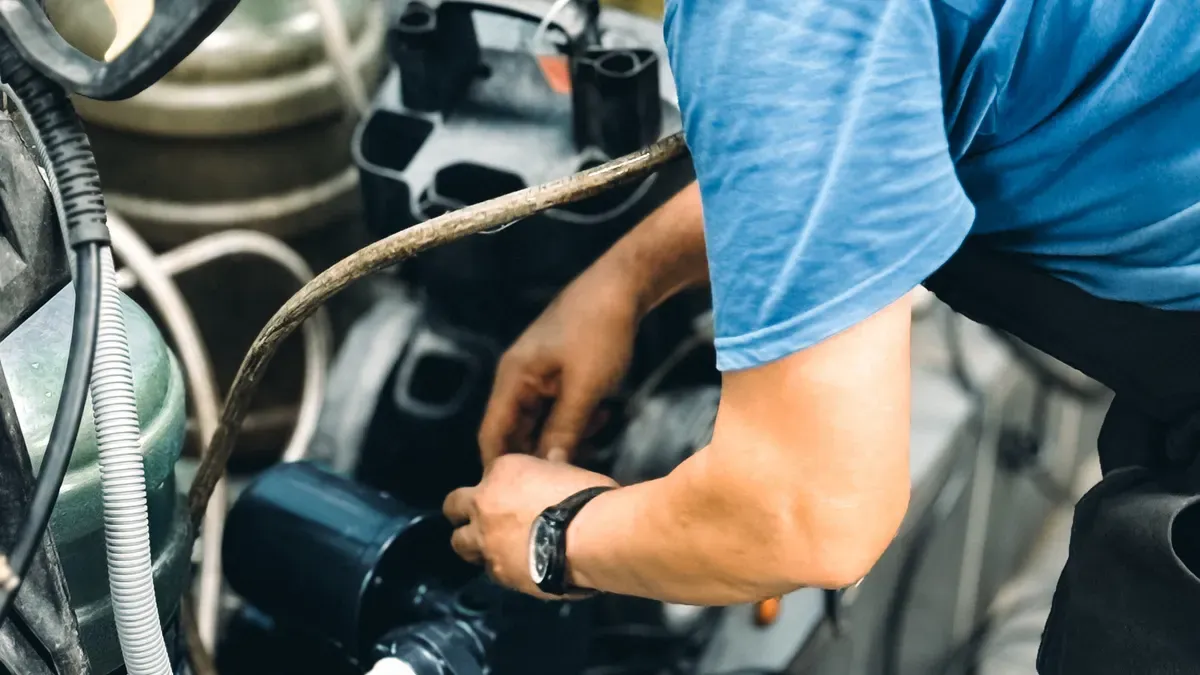
You can finish putting in a check valve for compressor outlet by following easy steps and using the right tools. A check valve is very important in your compressor system. It stops backflow, prevents water hammer, controls gas leaks, and helps maintain steady pressure for safe and effective use. Quality check valves protect your equipment from costly damage. LIANGGU VALVE offers trusted products that meet high standards. Always read the installation guidelines and wear safety gear before you begin.
Key Takeaways
-
A check valve stops air from going backward. It keeps your compressor safe from harm. Pick a good valve so it works well.
-
Before you start, get tools like a wrench and Teflon tape. Wear safety gear to stay safe and work well.
-
Follow safety steps. Unplug the compressor. Let out the air pressure. Wear safety gear to stop accidents.
-
Take out the old check valve with care. Clean the spot so the new valve fits right. This helps stop leaks.
-
After you finish, check for leaks and make sure it works. This keeps your compressor safe and working well.
Tools and Preparation for Air Compressor Check Valve
Essential Tools and Materials
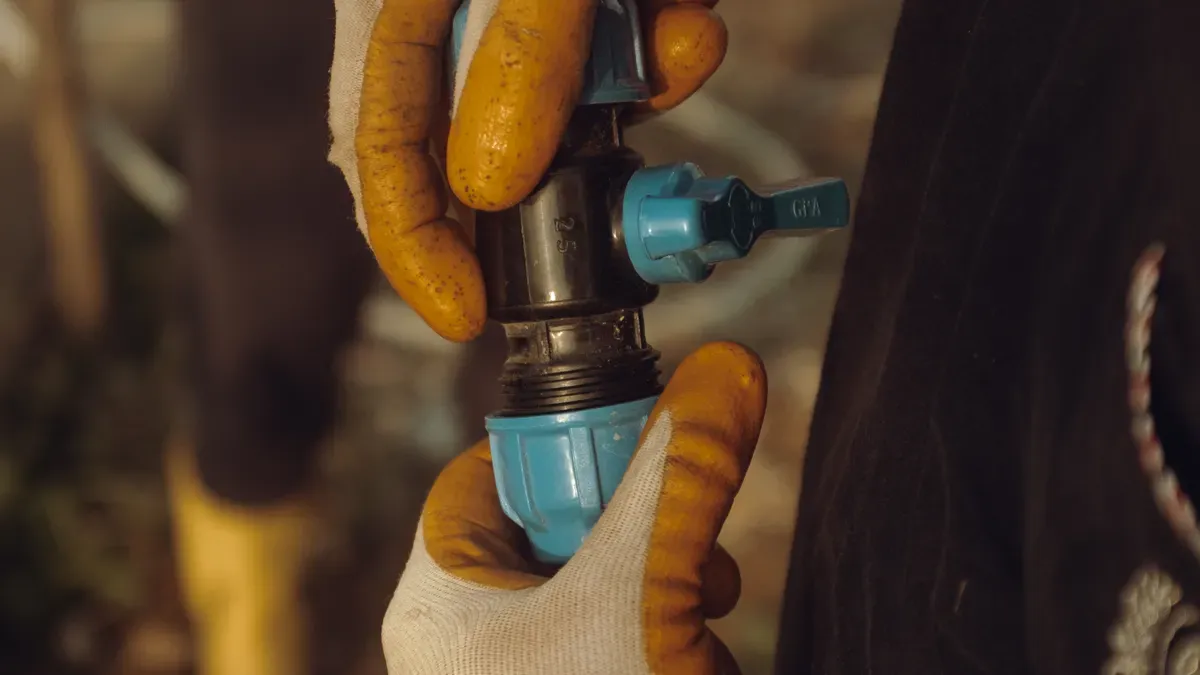
Get your tools and materials ready before you start. This helps you finish the job faster and keeps you safe. Here is what you need:
-
Adjustable wrench or socket set
-
Teflon tape (thread sealant tape)
-
Pressure gauge
-
Replacement air compressor check valve that matches your compressor model
-
Safety goggles
-
Gloves
Pick check valves that fit your compressor. The right size makes your system work well and last longer. The table below shows how to measure for the right check valve:
|
Check Valve Type |
Measurement Method |
Example Size Needed |
|---|---|---|
|
MPT Check Valve |
Measure O.D. of threads going into the tank |
¾” for 1” O.D. |
|
Flare-style Check Valve |
Measure O.D. of male flare threads |
½” for ¾” O.D. |
|
Compression Check Valve |
Measure I.D. of compression fitting |
½” for ½” I.D. |
|
FPT Check Valve |
Measure I.D. of the thread |
½” for ¾” I.D. |
If you do not know the right size or type, ask LIANGGU VALVE for help. They can give you good advice and quality check valves.
Safety Steps Before Installation
Be safe when you work with a compressor. Do these things before you put in or change an air compressor check valve:
Tip: Read your compressor’s manual before you start.
-
Turn off the compressor and unplug it.
-
Let all the air out of the tank with the pressure relief valve.
-
Wear safety goggles and gloves to protect yourself.
-
Make sure the area is clean and dry so you do not slip.
The right air compressor check valve keeps your system safe from leaks and damage. Bad or wrong check valves can make loud noises, cause leaks, or break your compressor. LIANGGU VALVE has check valves you can trust to keep your equipment working well.
Removing the Old Check Valve for Compressor Outlet
Power Off and Depressurize
You need to make sure the compressor is safe before you start check valve replacement. First, unplug the compressor from the power source. This step stops any chance of electric shock. Next, drain the tank to remove all air. Use the pressure relief valve to let the air out. Wait until the tank is empty and there is no pressure left. These steps protect you from sudden bursts of air and keep your workspace safe.
Tip: Always double-check that the compressor is unplugged and the tank is fully depressurized before moving forward.
-
Disconnect the compressor from electricity.
-
Drain the tank to remove any remaining air and depressurize it.
-
Proceed with the removal of the check valve for compressor outlet.
Disconnect Tubes and Fittings
You will find several types of fittings connected to the compressor outlet. Each fitting holds the tubes in place. Use an adjustable wrench to loosen and remove these fittings. Take your time and keep track of each part. Common fittings include:
-
Straight air fitting
-
90° swivel elbow air fitting
-
Tee union fitting
-
90° swivel air fitting
-
Union fitting
-
Check valve
If you see any signs of wear or damage, replace those fittings. Clean the area around the compressor outlet before you continue.
Careful Removal Process
After you disconnect the tubes and fittings, you can remove the old check valve. Grip the check valve with your wrench and turn it counterclockwise. If the valve feels stuck, apply gentle force. Do not use too much pressure, or you might damage the threads. Once the check valve comes loose, lift it away from the compressor outlet. Inspect the threads and the opening for dirt or debris. Clean the area so the new check valve fits well. This careful removal process helps you avoid leaks and keeps your compressor running smoothly.
Note: Keep the old check valve for reference until you finish the installation. Compare it with the new valve to make sure you have the correct size and type.
Installing LIANGGU VALVE Air Check Valves
Positioning the New Valve
You need to choose the right spot for your new air compressor check valve. Look at the outlet on your compressor. Make sure the threads and size match the new valve. LIANGGU VALVE offers check valves in many sizes and types, so you can find one that fits your system. Hold the valve next to the outlet and check the alignment. The arrow on the valve body shows the direction of flow. Point the arrow away from the compressor. This step helps you stop backflow and protect your equipment.
Tip: Always check the markings on the valve before you start the installation. This helps you avoid mistakes.
If you have questions about the right model, you can ask LIANGGU VALVE for help. Their experts know about air check valves and can guide you.
Securing and Connecting
Now you can start attaching the air compressor check valve. Wrap Teflon tape around the threads on the compressor outlet. This tape helps seal the connection and stops leaks. Hold the valve steady and screw it onto the outlet by hand. Turn it clockwise. When the valve feels tight, use a wrench to finish the job. Do not use too much force. You want the valve to be snug, not damaged.
LIANGGU VALVE check valves have strong bodies and smooth threads. This makes the installation easy and safe. You can trust these valves to handle high pressure and tough conditions. Their design follows international standards, so you know you are getting quality.
Here is a quick checklist for this step:
-
Wrap Teflon tape on the threads.
-
Hand-tighten the valve.
-
Use a wrench for a final turn.
-
Check the arrow points away from the compressor.
Reconnecting Tubes
After you secure the air compressor check valve, you need to reconnect the tubes and fittings. Match each tube to its spot. Push the tubes into place and tighten the fittings with your wrench. Make sure every connection feels firm. Loose fittings can cause leaks or pressure loss.
You should check the area for dirt or old tape. Clean everything before you finish. LIANGGU VALVE air check valves work best when the connections are clean and tight. Their valves fit many types of compressors, so you do not need to worry about compatibility.
Note: If you see any worn or damaged tubes, replace them before you finish. Good tubes help your check valves last longer.
You have now finished the main steps for installing a new air compressor check valve. You can trust LIANGGU VALVE products for reliable performance and long life.
Testing the Check Valve for Compressor Outlet
Restoring Power and Initial Test
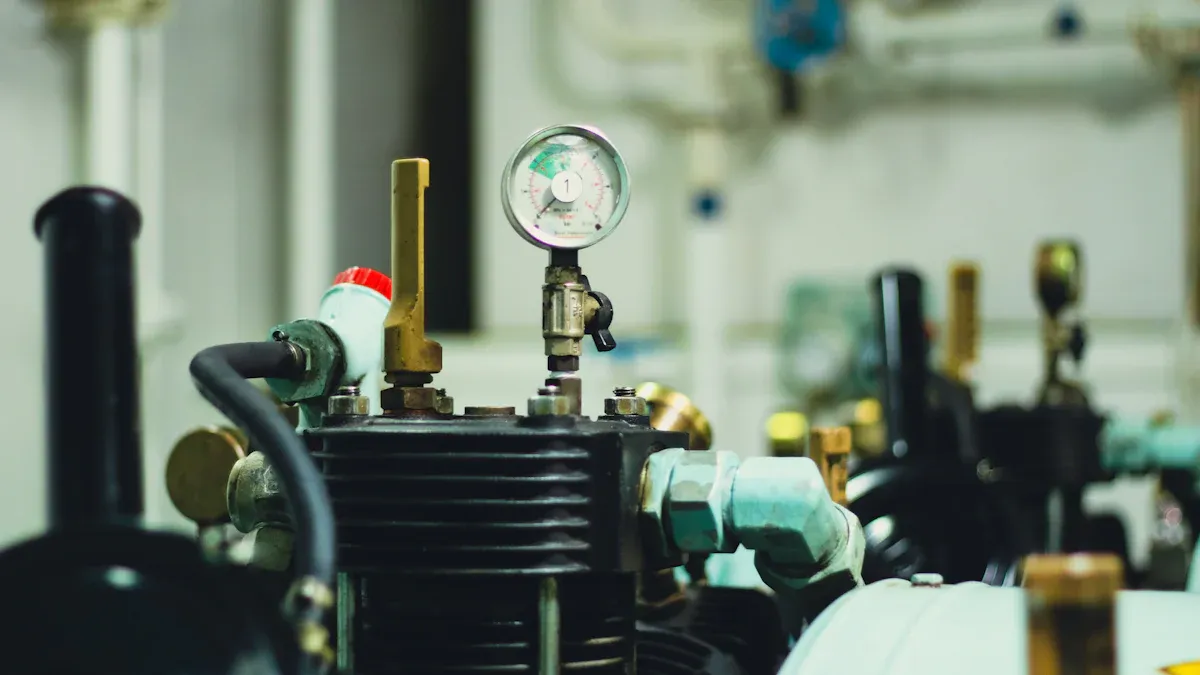
You finished the installation of the check valve for compressor outlet. Now, you need to restore power and test the system. Plug in the compressor and turn it on. Watch the pressure gauge as the tank fills. Listen for any unusual sounds. If you hear a hiss or see condensation, check for leaks. The air compressor check valve should keep air from flowing back into the compressor. If the pressure stays steady, your check valves are working well.
Tip: Always stay near the compressor during the first test. Quick action can prevent damage if you notice a problem.
Leak Check and Function Verification
You must check for leaks and make sure the air compressor check valve works as intended. Use these steps to test the check valve for compressor outlet:
-
Inspect the valve and fittings for visible damage.
-
Apply hydrostatic pressure to the valve body and watch for leaks.
-
Introduce pressure from the downstream side and monitor for leaks at the upstream port.
-
Apply pressure in the normal flow direction to confirm proper flow and check for backflow.
-
Gradually raise inlet pressure and observe when flow starts.
-
Submerge the valve in water and introduce compressed air to spot bubbles.
-
Record your results and label the valve.
Leaks often happen when seat seals are damaged or the check valve for compressor outlet is faulty. You may notice fluid escaping or hear a hiss. If you find a leak, tighten the fittings or replace damaged parts. Proper installation protects your compressor from backflow, pressure surges, and equipment damage.
Troubleshooting Common Issues
Sometimes, you may face problems after installing an air compressor check valve. Here are common issues and how to fix them:
-
Air leaks from the check valve for compressor outlet. Clean the spring and plunger, then reassemble and test.
-
Electronic unloader valve fails. Clean the components and test the compressor.
-
Valve installed in the wrong direction. Check the arrow and reinstall if needed.
-
Debris blocks the valve. Remove and clean the valve.
-
Airlocks cause flow issues. Bleed the system to remove air.
-
Leaks at connections. Tighten fittings and inspect gaskets.
-
Valve shows wear or damage. Replace the valve.
Check valves keep your compressor safe and efficient. If you install the air compressor check valve correctly, you avoid backflow, pressure surges, energy loss, and safety risks. Always test and troubleshoot to protect your system.
You can install a check valve for your compressor outlet by following clear steps and using the right tools. LIANGGU VALVE check valves give you strong performance and long-lasting reliability. For best results, follow these maintenance steps:
-
Disconnect power and relieve pressure.
-
Remove and clean the valve.
-
Inspect for wear and replace parts if needed.
-
Reinstall and test for leaks.
If you need help, ask a professional or contact LIANGGU VALVE for expert support.
FAQ
How do I know if my check valve is faulty?
You may hear air leaking or notice the compressor loses pressure quickly. The compressor may not hold air after shutting off. You should inspect the valve for damage or debris.
Can I use any check valve for my compressor outlet?
No, you need a check valve that matches your compressor’s size, pressure, and connection type. You can ask LIANGGU VALVE for help if you are unsure.
How often should I check or replace my air compressor check valve?
You should inspect your check valve every six months. Replace it if you see leaks, hear strange noises, or notice pressure loss.
What tools do I need to install a check valve?
You need an adjustable wrench, Teflon tape, safety goggles, and gloves. A pressure gauge helps you test the system after installation.
Where can I get support for LIANGGU VALVE check valves?
You can visit LIANGGU VALVE’s official website or contact their support team. They can answer questions and help you choose the right product.
