


You need a valve that works well in very hot places and tough conditions. A metal seated ball valve high temperature design gives you strong performance where soft seats would break. You see these valves in power plants, oil and gas, chemical plants, and mining because they can handle steam, harmful fluids, and rough slurries. LIANGGU VALVE gives you new solutions with strong materials and smart engineering for your hardest problems.
Key Takeaways
-
Metal seated ball valves work well in places with high heat and pressure. They are strong and safe for hard jobs. These valves are made from tough materials like hardened stainless steel and Inconel. This helps them last longer and not get damaged by wear or rust, even when things get really hot or rough. You need to check and clean these valves often. This helps them last longer and stops leaks. Picking the right valve design and materials for your job can help you save time and money later. LIANGGU VALVE makes special valves for different needs. They make sure the valves work well in oil, gas, and power plants.
Metal Seated Ball Valve High Temperature Overview
What Is a Metal Seated Ball Valve
A metal seated ball valve high temperature design has a seat made from metal, not a soft material. This kind of valve is used where heat, pressure, and tough fluids would ruin regular valves fast. The ball inside turns to let things flow or stop them. The metal seat touches the ball and makes a tight seal, even when it gets very hot.
You see these valves in power plants, oil refineries, and chemical factories. They are good for steam, hot gases, and rough slurries. The main job of a metal seated ball valve high temperature model is to keep your system safe and working well, even when things get tough.
Here is a table that shows what these valves do and why they are good:
|
Function/Advantage |
Description |
|---|---|
|
High Temperature Resistance |
Built to work in very hot places, great for high temperature jobs. |
|
Durability |
Made to last a long time in hard jobs. |
|
Safety and Efficiency |
Helps keep plants safe and working well, so you lose less money. |
|
Applications |
Used in oil and gas, refineries, and power plants. |
A metal seated ball valve high temperature solution lasts longer and keeps your equipment safe. LIANGGU VALVE makes these valves for temperatures from -196℃ to 1350℃, so they work in almost any tough place.
Why Use Metal Seats for High Temperature
You need metal seats if your work has high heat, pressure, or rough fluids. Metal seats can handle heat up to +800°C or even more. They do not wear out or break as fast as soft seats. This means you use them longer and do not need to fix them as much.
Metal seats are made from strong metals like hardened stainless steel, Inconel, or tungsten carbide. These metals do not melt or change shape when things get hot. They also do not rust or break down when you use strong chemicals or steam.
-
Made for very hot and high-pressure jobs (up to +800°C).
-
Stays strong against wear, scratching, and heat changes.
-
Lasts longer in tough places.
The spring seat design lets the ball get bigger when it gets hot. This stops the valve from getting stuck and keeps the seal tight. You get smooth use and a good shut-off, even when things change fast.
LIANGGU VALVE uses smart engineering to fix high temperature problems. Every valve is made and tested with care. The company picks the right metals, puts on hard coatings, and checks every part for strength and fit. Here is a table that shows how LIANGGU VALVE makes sure their valves are good:
|
Feature |
Description |
|---|---|
|
Engineering |
Made carefully to last in high heat |
|
Material Selection |
Picks the best metals for each part |
|
Surface Treatment |
Uses special coatings to make valves work better |
|
Testing |
Checks strength and heat changes to make sure valves work well |
You can count on LIANGGU VALVE for a metal seated ball valve high temperature solution that works for you. The company uses hard Stellite coatings to stop scratching and tests every valve for leaks and strength. This careful work means you get a valve that works well, lasts a long time, and keeps your plant safe.
Tip: Pick a metal seated ball valve high temperature design if you expect very hot, high-pressure, or rough fluids. This will help you save time and money later.
Design and Materials of High Temperature Metal-Seated Ball Valves

Construction and Key Components
It is important to know how metal seat ball valves work. These valves have a few main parts that help them handle heat and hard jobs. Here are the main parts you will see:
-
Ball: This part controls flow and helps seal the valve. It is made from strong metals so it lasts longer.
-
Valve seat: The seat touches the ball and makes a seal. It uses metal so it can handle heat better.
-
Valve stem: This connects the ball to the handle or actuator.
-
Sealing system: The seal comes from metal touching metal, not soft stuff.
-
Actuation mechanism: This part lets you open or close the valve.
Some valves use a spring seat. This helps the valve work when things get hot or cold. You might see a 17-4PH internal entry stem for more strength. The ball sometimes has hard chrome plating so it moves smoothly. Some valves use a cobalt-based super alloy to stop rust and stay strong in heat.
Tip: A spring seat design lets the ball get bigger when it gets hot. This keeps the valve working well and stops leaks.
Materials for Metal Seat Ball Valves
The right materials help your valve last longer. You want the ball and seat to handle heat, wear, and chemicals. Here is a table that shows some common materials and why they are good:
|
Material |
Benefits |
|---|---|
|
Tungsten Carbide |
Great at stopping wear and handles heat well |
|
Chromium Carbide |
Works well in very hot jobs |
|
Stellite Hard-Facing |
Stops wear and rust at high temperatures |
|
Nitriding Treatment |
Makes the surface harder and stronger |
|
Precision Machining |
Gives a tight seal and smooth movement |
Special coatings help your valve last longer. Precision machining makes sure the sealing parts fit just right. Hardening treatments protect against wear and heat. LIANGGU VALVE uses these smart methods to give you strong metal seat ball valves for tough jobs.
Features and Benefits of Metal Seated Ball Valve
Wear and Corrosion Resistance
Metal seated ball valves are made for tough jobs. They protect against abrasion, erosion, and heat changes. These valves work well in hot places where others break down fast.
-
Factory tests check if the valve can handle wear. They use hydrostatic pressure and seat leakage tests.
-
Engineers test valves with rough materials to see how long they last.
-
A rotation wear test shows how the valve handles strong fluid. It uses a ball-disc friction tester with a 50 N load and a sliding speed of 0.2 m/s. White light interferometry measures wear, and the Archard model finds the wear rate.
Choosing the right materials helps the valve last longer. Stainless steel, Inconel, and titanium stop corrosion in hot and harsh fluids. Hardened balls, seats, and stems make the valve work longer, even in tough places.
-
Metal seated ball valves handle harsh fluids because of their simple design and tight shut-off.
-
These valves last longer in hard jobs where others fail.
-
High pressure ball valves use stainless steel to stop corrosion in rough fluids.
Metal seated ball valves resist heat and give steady performance in hot jobs.
Sealing and Performance at High Temperature
You want a valve that keeps a tight seal when things get hot. Metal seated ball valves use smart sealing methods to work in extreme heat.
-
Superalloys like Inconel 625, Hastelloy C-276, and Stellite stay strong and resist rust up to 800°C.
-
HVOF coatings and hardening make seats and balls last longer.
-
Metal-to-metal contact between the ball and seat gives a strong seal, even in tough conditions.
-
Spring-loaded or pressure seats keep the seal tight when things expand or shake.
These valves give a tight seal at high heat where soft seats fail. Hardening like Stellite or Tungsten Carbide makes them stronger. You can trust these valves in power plants, refineries, and other places with high heat and pressure.
Comparison with Soft Seated Ball Valves
You might wonder how metal seated ball valves compare to soft seated ones in hot jobs. Here is a table to show the difference:
|
Valve Type |
Leakage Rate Classification |
Seal Performance |
|---|---|---|
|
Soft Seated |
Class VI |
Bubble-tight seal |
|
Metal Seated |
Class IV or V |
Some leakage allowed |
Soft seated ball valves give a bubble-tight seal, but they cannot handle heat or tough fluids. The soft material breaks down with heat, pressure, or rough fluids. Metal seated ball valves allow some leakage, but they keep working where soft seats fail.
You should pick a metal seated ball valve for hot and high-pressure jobs. These valves give you strength, safety, and long life.
Note: LIANGGU VALVE makes metal seated ball valves that meet strict standards. You can get options like the High Pressure Forged Steel Ball Valve for up to 2500LB and the Forced Sealing Ball Valve for power plants and refineries. These valves use metal-to-metal sealing and forced sealing for hot and rough fluids.
When you choose LIANGGU VALVE, you get steady performance, smart engineering, and trusted certifications for your hardest jobs.
Types and Applications of Metal Seat Ball Valves
Common Types for High Temperature Service
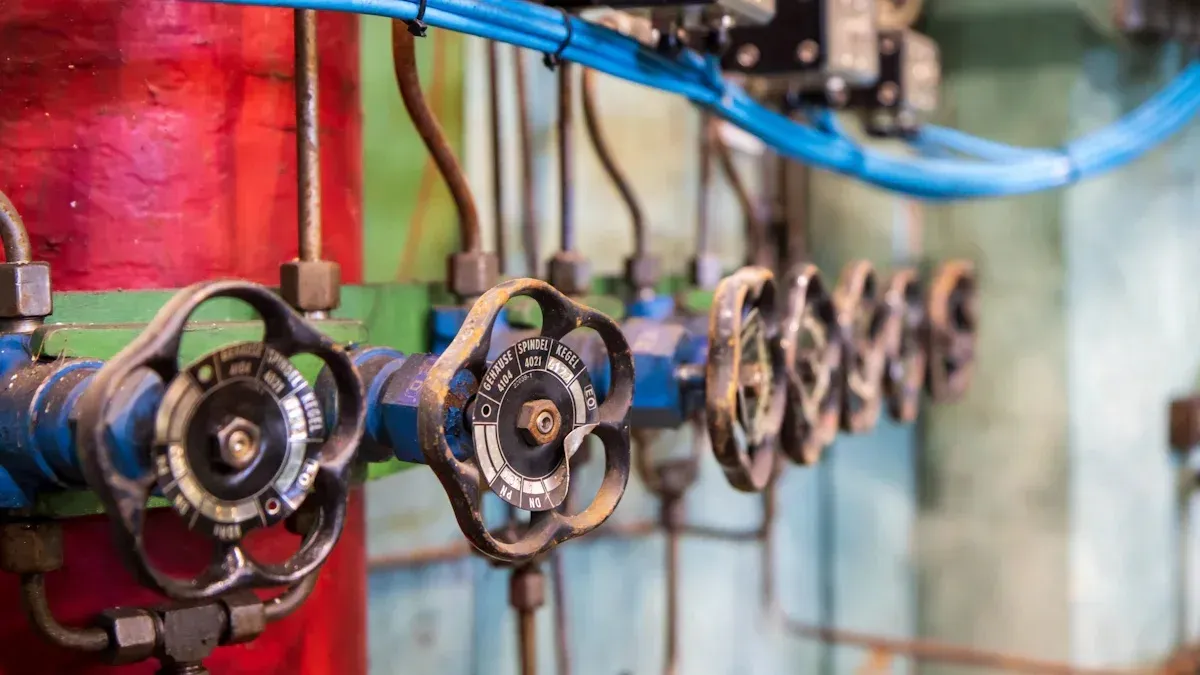
There are different kinds of metal seated ball valves for hot jobs. Each kind is made for a special use. Here are the main types you might see:
-
Floating metal seated ball valve: The ball floats between the seats. It is good for small or medium sizes. This type gives a tight shut-off.
-
Trunnion-mounted metal seated ball valve: The ball is held in place at both ends. It works well for big sizes and high pressure. You need less force to use it, and it gives better control.
-
Full-welded metal seated ball valve: The body is welded together. This stops leaks. It is used in buried pipes or high-pressure lines.
These types are used in many fields. They help control flow in hot and rough places.
Industrial Applications and Use Cases
Metal seated ball valves are used in many industries. They work best where there is heat, pressure, or rough fluids. Here is a table that shows where you might use these valves:
|
Industry |
Common Applications |
|---|---|
|
Refining |
Drum blow down, overhead vapor lines, drum switching, furnace isolation |
|
Power Generation |
Condenser drain, main steam vent, preheat and reheat drain, turbine drain |
You can also find these valves in oil and gas, mining, and marine work. They are made for tough jobs. Look at the table below to see what each industry needs:
|
Industry |
Operating Conditions |
|---|---|
|
Oil and Gas |
Handles high pressure and heat for oil and gas |
|
Power Generation |
Works with steam and hot water under pressure |
|
Mining |
Deals with slurries and fluids with small bits |
|
Marine |
Uses special metals for seawater and offshore jobs |
You can count on metal seated ball valves for hard jobs. They keep things safe and last a long time.
LIANGGU VALVE Ball Valve Solutions
LIANGGU VALVE has many metal seated ball valve choices. You can pick floating, trunnion-mounted, or full-welded types. The company has worked on projects in marine, mining, oil and gas, and power plants. For example, LIANGGU VALVE gave aluminum bronze 3-way ball valves for seawater systems. They also supplied high-pressure electric gate valves for mining.
You can ask for a custom design if you need something special. The team will help you pick the right size, metal, and seal. LIANGGU VALVE tests every valve for strength and safety. You get a strong product that meets your needs and lasts.
Tip: If you need a special metal seated valve, LIANGGU VALVE can make one just for you.
Selection Guide for High Temperature Metal-Seated Ball Valves
Key Factors to Consider
When picking a metal seated ball valve for high temperature jobs, you need to think about a few important things:
-
Operating Conditions: Look at the temperature and pressure. Check what kind of fluid you have. Some fluids can scratch or eat away metal. These facts help you choose the right material and design.
-
Seat and Ball Coating: Choose a coating that fits your job. Tungsten Carbide is good for stopping scratches. Stellite helps stop rust and damage from chemicals.
-
Valve Size and Pressure Rating: Make sure the valve matches your system’s size and pressure. This keeps everything safe.
-
End Connections: Pick flanged, threaded, butt weld, or socket weld ends. The right end makes putting in and fixing the valve easier.
-
Actuation: Decide if you want to use your hand, air, or electricity to open the valve. The actuator must fit your system.
You also need to check the temperature and pressure limits. Every valve material has a limit. Some valves work fine at room temperature but break in high heat or pressure. Always check the highest and lowest ratings for your job.
Tip: Check your system’s temperature and pressure often. This helps you stop problems before they happen.
Maintenance and Longevity
To keep your metal seated ball valve working well in tough jobs, you should:
-
Look at the valve often for leaks or damage.
-
Clean inside and get rid of dirt.
-
Put grease on moving parts, but not too much.
-
Change packing or seals if you see leaks or if the handle is hard to turn.
These steps help your valve last longer, even in hard jobs.
Why Choose LIANGGU VALVE
LIANGGU VALVE gives you many good things for high pressure and high temperature metal seated ball valves. The company uses strong materials for every job. Here is a table to help you compare:
|
Material Grade |
Max Temperature |
Key Benefits |
Typical Applications |
|---|---|---|---|
|
316 Stainless Steel |
400°C (752°F) |
Stops rust |
Chemical processing |
|
321 Stainless Steel |
450°C (842°F) |
Good for welding |
Power generation |
|
347 Stainless Steel |
500°C (932°F) |
Handles high pressure well |
Oil refining |
|
Hastelloy C-276 |
650°C (1200°F) |
Stops extreme rust |
Specialized chemicals |
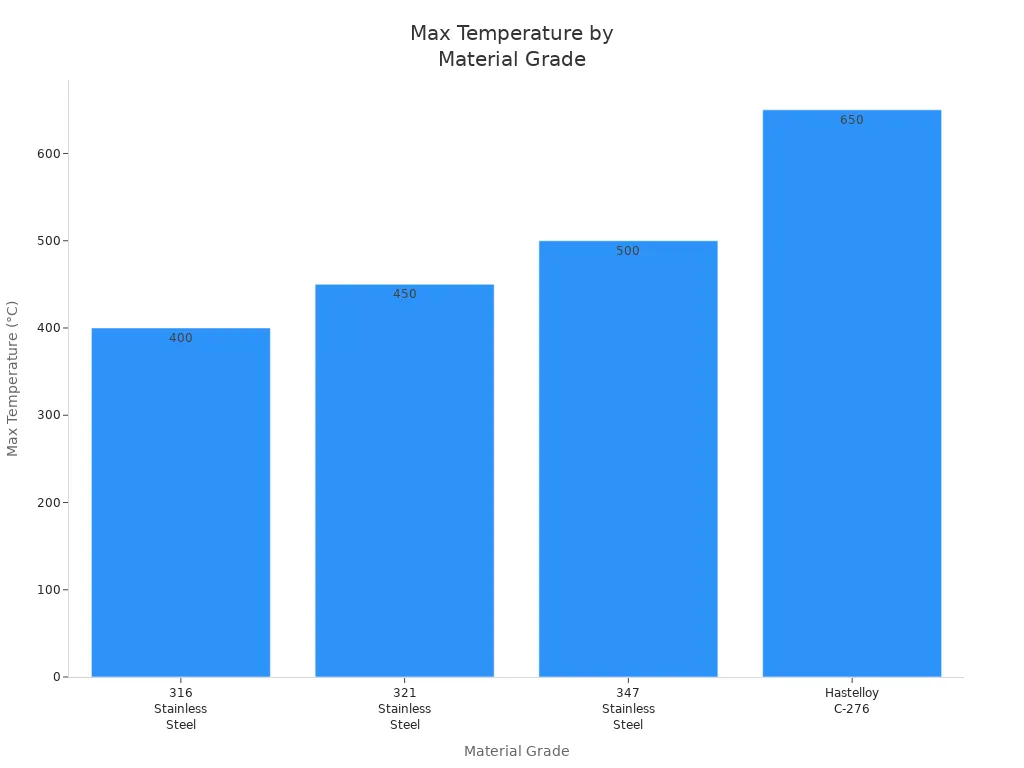
Three-piece ball valves from LIANGGU VALVE work well in high pressure and high temperature jobs. These valves let each part move a little when heated. This stops the valve from getting stuck and keeps it working smoothly.
You can trust LIANGGU VALVE for strong, safe, and long-lasting high pressure solutions.
You need a valve that works well in hot and rough places. Metal seated ball valves are strong and last a long time. They help keep your system safe and working. Here is what they do:
|
Feature |
Benefit |
|---|---|
|
High Temperature Resistance |
Keeps your system safe and efficient |
|
Wear Resistance |
Lowers your maintenance costs |
|
Reliability |
Boosts uptime in oil, gas, and power |
LIANGGU VALVE has done well in big jobs like gas fields and chemical plants. If you want help and a valve that lasts, talk to LIANGGU VALVE.
FAQ
What is the main advantage of a metal seated ball valve?
You get strong performance in high heat and tough conditions. Metal seats resist wear and last longer than soft seats. This means less downtime and fewer replacements.
How do I choose the right material for my valve?
Check your fluid type, temperature, and pressure. Use stainless steel for most jobs. Pick Inconel or Stellite for very hot or corrosive fluids. Ask LIANGGU VALVE for help if you are not sure.
Can I use a metal seated ball valve for steam?
Yes, you can. Metal seated ball valves work well with steam and hot gases. They keep a tight seal and resist damage from heat and pressure.
How often should I maintain my metal seated ball valve?
Inspect your valve every few months. Clean it and check for leaks or wear. Lubricate moving parts if needed. Regular checks help your valve last longer.
