

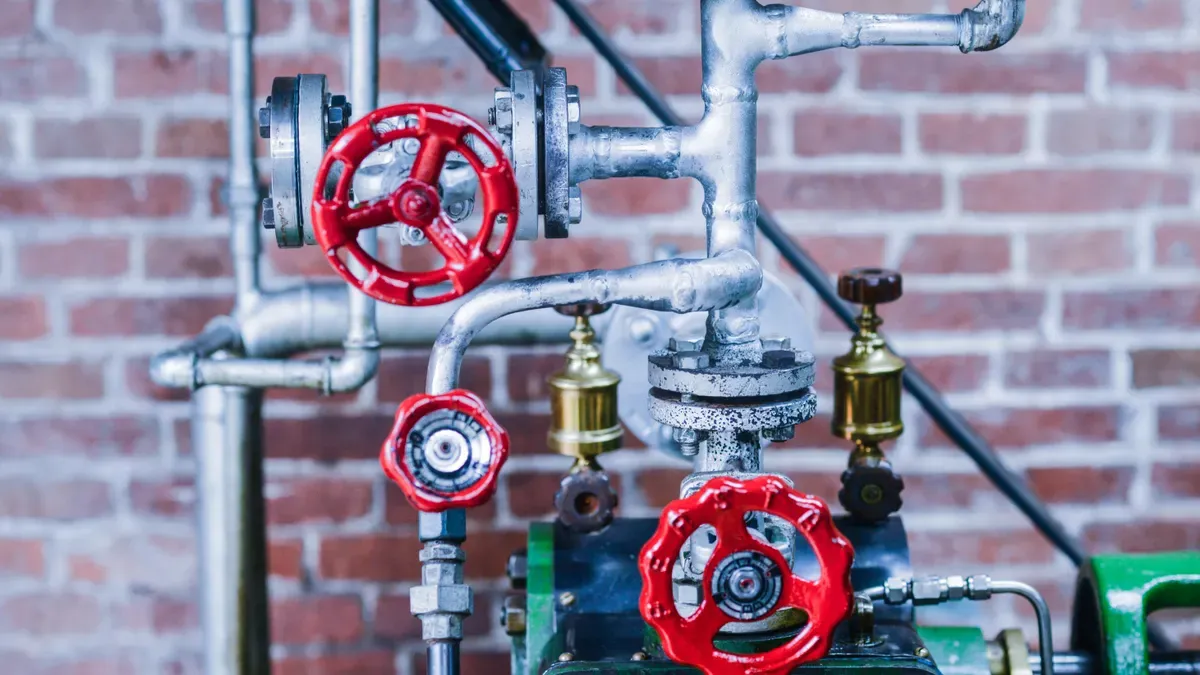
You use a ball valve for steam to control the flow of steam in a system with quick and precise action. This valve uses a metal or ceramic ball with a hole through the center. When you turn the handle 90 degrees, the ball lines up the hole with the pipe and allows steam to flow. Using the wrong ball valve can lead to failure because steam systems need valves that handle high temperatures and pressure. Always check if your valve matches the steam application.
Key Takeaways
-
A ball valve for steam lets you control steam fast. You turn it just 90 degrees to open or close it. This makes it good for emergencies when you need to shut off steam quickly.
-
Pick a ball valve that matches the Working Steam Pressure rating. This keeps the system safe and stops leaks in hot and high-pressure places.
-
Check steam ball valves for leaks and damage often. Try to do this every six months to keep the system safe and working well.
-
Use materials like stainless steel or strong seats for the valve. These last longer and handle heat and pressure better than regular materials.
-
Ball valves work best for turning steam on or off. They are not good for small changes in flow. Using them for fine adjustments can break the valve.
Ball Valve for Steam: Operation and Basics
Quarter-Turn Mechanism
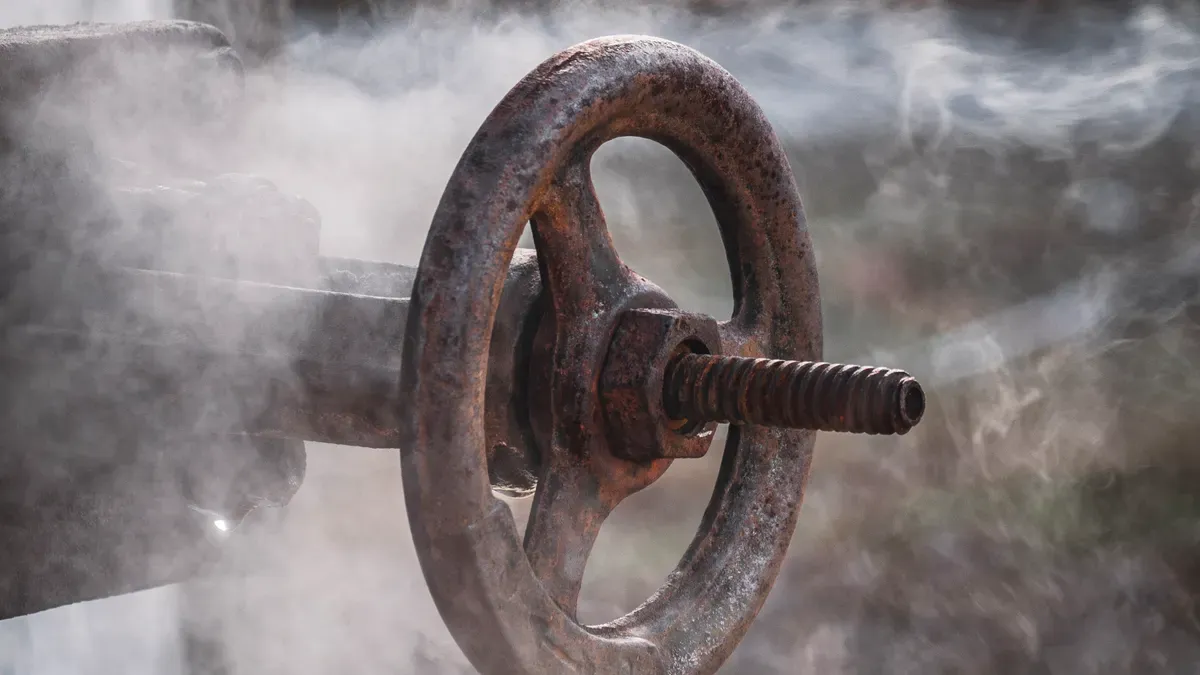
You operate a ball valve by turning the handle just 90 degrees. This action rotates a round ball inside the valve. The ball has a hole through its center. When you turn the handle so the hole lines up with the pipe, steam flows through. If you turn the handle so the ball blocks the pipe, steam stops. This simple quarter-turn motion makes the ball valve a type of quarter-turn valve. You get quick opening and closing, which is important in steam systems where you may need to stop flow fast.
Tip: The quarter-turn shutoff valve design helps you react quickly in emergencies or when you need to isolate a section of pipe.
The quarter-turn mechanism gives you several advantages over multi-turn valves. You can see these benefits in the table below:
|
Advantage |
Description |
|---|---|
|
Quick Opening/Closing |
You can open or close the valve with a fast 90-degree turn. |
|
Tight Shutoff |
The ball creates a strong seal, which helps prevent leaks. |
|
Low Pressure Drop |
The full-port design lets steam move easily, saving energy. |
Quarter-turn valves like the ball valve for steam help you keep your system safe and efficient. You do not need to turn the handle many times, so you save time and effort.
Flow Control in Steam Systems
You use a ball valve for steam mainly to start or stop the flow. It is not designed for fine control of flow. If you try to use it halfway open, the high-pressure steam can wear out the ball and the seats. This can cause leaks or damage over time. Steam often carries small particles that can scratch the inside of the valve. The high temperature and pressure can also damage the soft seals inside the valve.
-
Ball valves work best for on/off control, not for adjusting flow.
-
High-pressure steam can wear out seals and seats if you use the valve halfway open.
-
Steam can carry dirt or particles that scratch the ball and cause leaks.
If you need to know how much steam can flow through a ball valve, you can use flow coefficients, called Cv values. For saturated steam, you can use formulas like:
-
Cv = m / (1.61 pi) for critical flow
-
Cv = m / (2.1 ((pi + po) dp)¹/²) for non-critical flow
For superheated steam, you adjust the Cv value by:
-
Cv = Cv_saturated (1 + 0.00065 dt), where dt is the temperature above saturation.
You should always check the valve’s WSP (Working Steam Pressure) rating. This rating tells you the highest pressure and temperature the valve can handle safely. Using a valve not rated for steam can lead to failure.
Isolation and Shut-Off Function
You rely on a ball valve for steam when you need a tight shut-off. The ball inside the valve blocks the flow completely when closed. This makes the ball valve a good choice for isolation in steam pipelines. You can open or close the valve with a simple 90-degree turn. There are two main designs: floating ball and trunnion mounted. Both types help you stop steam flow quickly and safely.
|
Feature |
Description |
|---|---|
|
Tight Shut-off |
The ball blocks the flow when closed, giving you a strong seal. |
|
Operation Mechanism |
You turn the ball 90° to open or close the valve. |
|
Design Types |
Floating ball (supported by seats) and trunnion mounted (supported by trunnion). |
|
High-Temperature Sealing |
Seals made from flexible graphite or Grafoil® keep steam from leaking, even in high heat. |
|
Secondary Metal Sealing |
If the soft seat gets damaged, the ball can seal against metal for extra safety. |
Industry standards help make sure your ball valve for steam works safely. Some important standards include:
|
Standard |
Description |
Key Requirements |
|---|---|---|
|
API 6D |
Pipeline ball valves |
Maximum leakage of 0.1% for gas; pressure testing at 1.5 times rated pressure. |
|
ASME B16.34 |
Valve pressure-temperature ratings and material requirements |
Ensures sealing across all conditions; addresses effects of temperature changes. |
|
ISO 17292 |
Endurance testing for high-cycle applications |
Minimum 2,000 to 10,000 cycles; regular leak testing. |
|
API 598 |
Inspection and testing for shut-off performance |
Hydrostatic and pneumatic tests; acceptable leakage rates. |
|
ASTM/NACE |
Material specs for corrosion resistance and mechanical properties |
Ensures parts can handle stress and environment while keeping a tight shut-off. |
You should always choose a ball valve that meets these standards for steam service. This helps you avoid leaks and keeps your system safe.
Construction and Materials of Ball Valve
Main Components
It is important to know the main parts of a ball valve for steam. Each part helps the valve work safely and well.
-
Ball: This is a round part with a hole in the middle. It turns to open or close the flow.
-
Seats: These rings hold the ball and help seal the valve. They must handle high heat and pressure.
-
Stem: This connects the handle to the ball. It keeps the ball in place and stops it from coming out.
-
Body and end connections: The body holds all the parts together. End connections let you attach the valve to pipes.
-
Stem packing and gland: These seals stop steam from leaking around the stem.
-
Actuator or handle: You use this part to turn the valve on or off. Some valves have a lever, and some use an automatic actuator.
Suitable Materials for Steam
You need to pick the right materials for steam. Not all metals or plastics can take high heat and pressure. The table below shows how carbon steel ball valves work at different temperatures.
|
Temperature (°C) |
CWP (bar) for Class 600 WCB Carbon Steel |
|---|---|
|
38 |
102 |
|
300 |
85 |
|
425 |
60 |
|
Soft seat limit |
200 (PTFE-seated ball valves) |
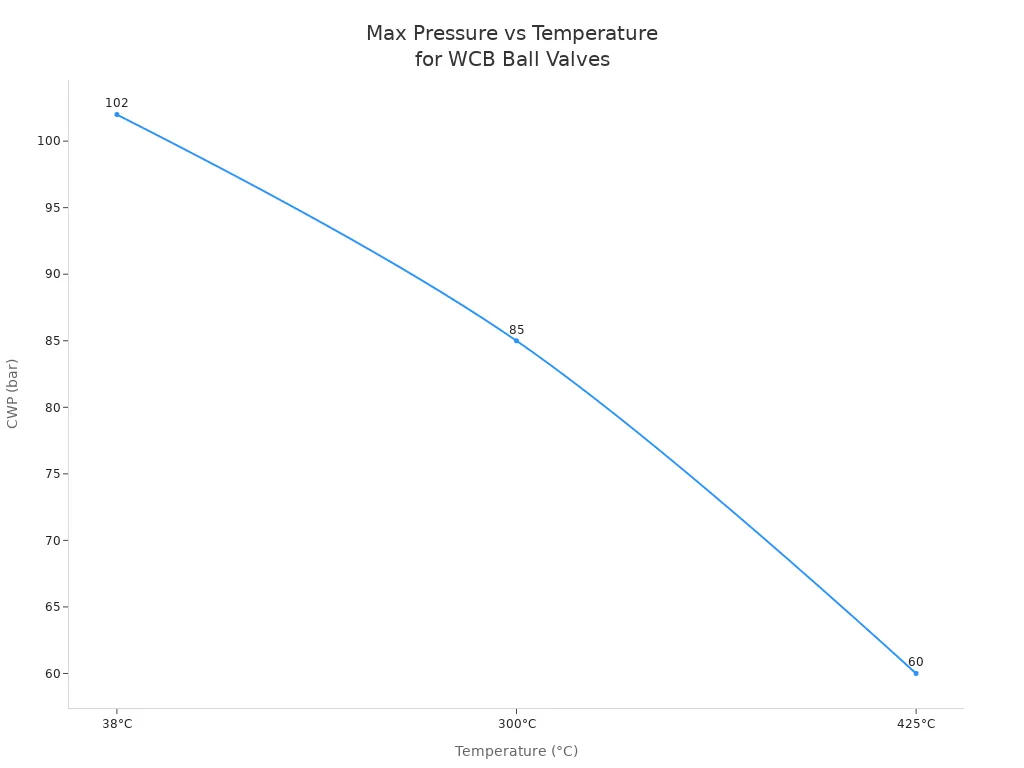
Soft seats like PTFE cannot take as much heat as metal parts. Always check the temperature and pressure ratings before you choose a ball valve for steam.
Seat and Seal Considerations
Seats and seals are very important for steam. If you use the wrong material, the valve can leak or break. The table below compares common seat and seal materials.
|
Material Type |
Features |
Applications |
|---|---|---|
|
PTFE |
Good chemical resistance, up to 260°C |
Chemical, food, and pharmaceutical industries |
|
Reinforced PTFE |
Stronger, better for high pressure |
Petroleum and petrochemical industries |
|
FKM |
High chemical and temperature resistance |
Chemical, petroleum, and aerospace industries |
|
Metal Seals |
Best for high pressure and erosive flow |
High-pressure gas and abrasive service environments |
Note: PTFE seats can change shape or get soft when steam is very hot. Metal seats last longer and work better in hard steam jobs.
Features, Pros, and Cons of Ball Valve for Steam
Key Features
When you choose a ball valve for steam, you get special features that help it work safely in tough conditions. Here are some key features you should know:
-
Handles high energy content from steam, which can be very powerful.
-
Manages pressure changes quickly, so it works well even when the system changes fast.
-
Resists corrosion from steam and water, keeping the valve strong over time.
-
Uses strong materials like stainless steel or special alloys to handle heat and corrosion.
-
Has reinforced seats and extended stems to protect against heat and leaks.
-
Uses special seals, such as PTFE or graphite, to stop leaks even at high temperatures.
-
Allows for quick operation, so you can shut off steam fast in an emergency.
-
Needs little maintenance because of its simple design.
Advantages in Steam Use
You get many benefits when you use a ball valve in steam systems. These advantages make it a popular choice:
|
Advantage |
Description |
|---|---|
|
Quick Shutoff |
You can turn the valve off fast with a quarter-turn handle. |
|
Excellent Sealing |
PTFE or graphite seats help stop leaks, even under high pressure. |
|
Durable Materials |
Stainless steel and alloys last longer in steam service. |
|
Low Maintenance |
The simple design means you spend less time fixing or checking the valve. |
Tip: A ball valve gives you reliable performance and safety in most steam applications.
Limitations and Risks
You should also know the limits and risks of using a ball valve for steam. Some problems can happen if you do not pick the right valve or use it in the wrong way:
-
Metal-to-metal seals may not always give a tight shut-off, which can cause leaks.
-
Regular seals can fail when exposed to very hot steam.
-
High temperatures can make seals leak, letting steam escape.
-
Fast-moving steam can wear out the inside of the valve and cause corrosion.
-
Changes in temperature can make the valve parts expand or shrink, leading to leaks or early wear.
-
Materials like carbon steel and stainless steel can crack from thermal stress.
-
Rubber or plastic seals can break down quickly in hot steam.
Note: Always check the valve’s ratings and materials before you use it in a steam system. This helps you avoid leaks and keeps your system safe.
Ball Valve vs. Other Steam Valves
Ball Valve vs. Gate Valve
You might wonder how a ball valve is different from a gate valve in steam systems. Both valves control steam, but they do not work the same way. A ball valve uses a handle you turn only a quarter of the way for fast shut-off. A gate valve needs you to turn the handle many times to open or close it. This is important if you need to stop steam quickly.
Here is a table that shows the main differences:
|
Feature |
Ball Valves |
Gate Valves |
|---|---|---|
|
Shut-off Capability |
Quick shut-off with a quarter turn |
Slow, gradual operation requiring multiple turns |
|
Sealing Performance |
Excellent sealing, providing superior leak protection |
May face leakage issues over time due to wear |
|
Durability |
More durable with lower maintenance needs |
Less durable, may require more maintenance |
|
Ideal Use |
Frequent operation and emergency situations |
Infrequent operation applications |
A ball valve gives you better shut-off and does not need much care. Gate valves often need more work, like oiling the stem and changing parts to stop leaks.
Ball Valve vs. Globe Valve
You use a globe valve when you want to control how much steam moves through the pipe. A ball valve is best for turning the steam on or off quickly. If you need to change the flow slowly and carefully, a globe valve is a better pick.
-
Ball valves are great for quick on/off jobs but cannot adjust flow well.
-
Globe valves are good for fine control, so you can set the flow just right.
You should also think about other things:
|
Feature |
Globe Valve |
Ball Valve |
|---|---|---|
|
Operation |
Linear motion |
Quarter-turn rotation |
|
Flow Control |
Excellent throttling |
Limited, best for on/off |
|
Shut-Off |
Good |
Excellent |
|
Pressure Drop |
Higher |
Low |
|
Maintenance |
Easier to repair |
May need full disassembly |
|
Applications |
Flow regulation |
Quick shut-off |
|
Cost |
Higher |
More economical |
Choosing the Right Valve
You need to pick the right valve for your steam system. First, collect all your data, like how much steam you need, the pressure, and the temperature. Decide if you want to control the flow exactly or just turn it on and off fast. Globe valves are good for small changes. Ball valves are better for quick shut-off.
Follow these steps to choose the best valve:
-
Write down all your data: flow rates, pressures, and temperatures.
-
Pick the valve type that fits your job.
-
Use math to check if the valve size is right.
-
See if you need a tight shut-off.
-
Make sure the valve can handle the highest and lowest pressure and temperature.
-
Check if the valve materials can take the heat and pressure.
-
Think about how much money and space you have.
Tip: Always check if your ball valve for steam can handle the pressure and temperature in your system. This keeps your steam system safe and working well.
Practical Tips for Steam Ball Valves
Selection Criteria
You must pick the right ball valve for your steam system. First, check if the valve body and seats work with steam, water, or chemicals. Look at the highest pressure your system will have, then add a safety margin. Check both the normal and highest temperatures, especially if your system gets hot and cold. Choose the size based on how much flow you need and how much pressure drop is okay. Pick the right connection type, like NPT, BSP, or flanged ends that meet ASME or DIN rules. Decide if you want to use a manual lever, gear, pneumatic, or electric actuator to open the valve. If you want automation, look for extras like solenoid valves or position feedback. Think about where you will put the valve—inside or outside—and see if you need protection from rust or a special IP rating. If you will do a lot of maintenance, pick a three-piece design because it is easier to fix.
Tip: Always make sure the valve’s pressure and temperature ratings match your steam system so you do not get leaks or failures.
Maintenance and Safety
You keep your steam system safe by doing good maintenance. Make sure each valve is the right size for its job and install it the way the maker says. Only use valves within their limits. Make a schedule to check your valves often for problems. Know your system’s working limits. Leave enough space around valves for repairs later. Mount valves tightly and turn them so steam flows the right way. After you put in a valve, check for leaks and add filters to stop dirt from getting in. Locking ball valves stop people from using them without permission and help keep places like oil and gas plants, chemical factories, and food plants safe.
|
Incident Type |
Cause of Incident |
Preventive Measure |
|---|---|---|
|
Water Hammer |
Sudden density change from steam condensing to water |
Use steam valves with programmable closure profiles and hydraulic damping |
|
Valve Maintenance |
Abrupt flow stops from quick-closing ball valves |
Use reliability programs and thermal-compensating designs |
Note: A district energy company in Chicago had 92% fewer water hammer problems after they switched to steam check valves with water hammer prevention. They saved $1.4 million by not having to replace pipes.
Common Applications
You see steam-rated ball valves used in many places. The Sharpe Series W84 works well for steam and thermal fluid systems. It can handle steam pressures up to 500 psig and heat up to 600 °F. You find these valves in power plants, district heating, chemical plants, and food factories. They shut off flow tightly in both directions and come in sizes from 1/2" to 4". Makers use cast carbon steel and stainless steel to meet ASME rules.
Tip: Pick a steam-rated ball valve if you want a valve that shuts off well and lasts a long time in tough jobs.
You know that a ball valve shuts off steam fast and safely. Always check the WSP rating before you use the valve. Pick materials that can take high heat and pressure. The table below explains why these steps are important:
|
Reason |
Why It Matters |
|---|---|
|
WSP Rating Importance |
Stops leaks and keeps you safe |
|
Material Compatibility |
Works well when steam is hot and under pressure |
|
Pressure/Temp Limits |
Keeps your system from breaking |
If your steam system is complicated, ask experts for help. Use tools like Belimo SelectPro or technical guides to make good choices.
FAQ
What makes a ball valve suitable for steam?
You need a ball valve with metal or reinforced seats, high-temperature seals, and a body made from steel or stainless steel. Always check the WSP rating to make sure the valve can handle your steam system’s pressure and temperature.
Can you use a regular ball valve for steam?
Note: Never use a regular ball valve for steam. Regular valves may have soft seats or seals that melt or deform. Always choose a valve rated for steam service to avoid leaks or dangerous failures.
How often should you inspect a steam ball valve?
You should inspect your steam ball valves at least every six months. Look for leaks, corrosion, or worn parts. Early checks help you catch problems before they cause system failures.
What is the difference between a full port and a reduced port ball valve?
|
Type |
Flow Path Size |
Best Use |
|---|---|---|
|
Full Port |
Same as pipe |
Maximum flow, low drop |
|
Reduced Port |
Smaller than pipe |
Lower cost, less flow |
You get more flow with a full port valve.
