

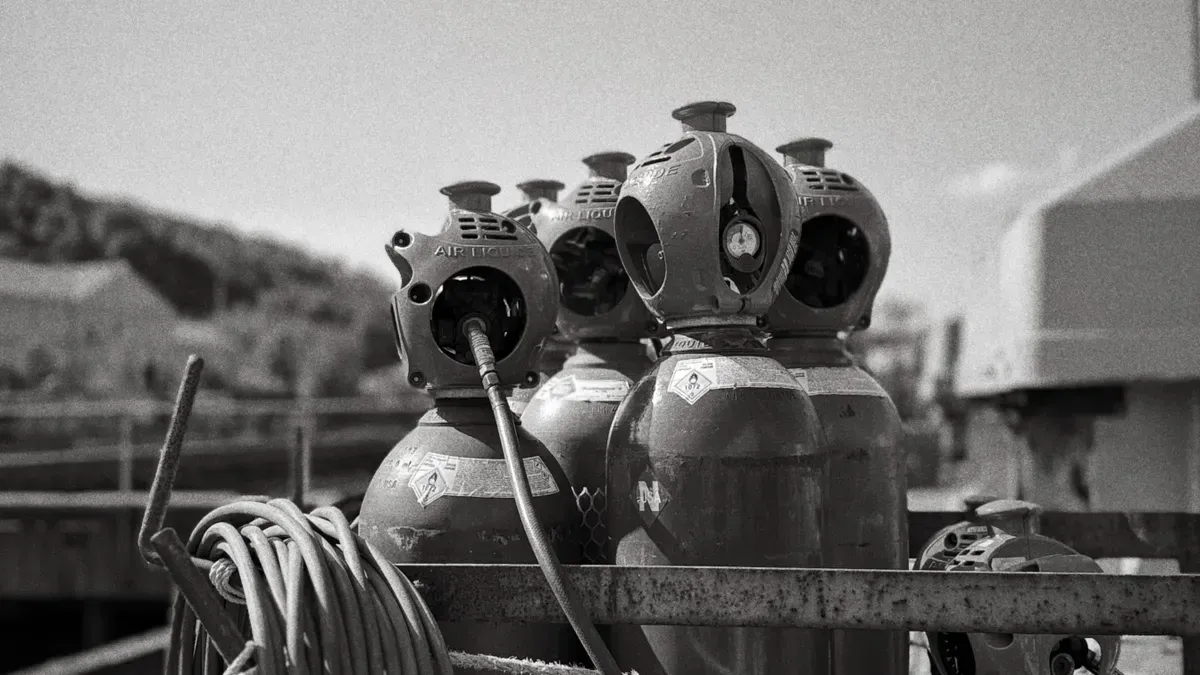
A cryogenic globe valve lets you control fluids at very cold temperatures, often colder than -196°C. You use this cryogenic globe valve in places where safety and reliability are very important. The cryogenic globe valve helps you control the flow of liquefied gases and other cold substances exactly. The global market for cryogenic globe valves is growing. It was worth USD 4.17 billion in 2025 and may reach USD 4.46 billion in 2026. Energy and power companies use cryogenic globe valves for LNG and safe work. Food and beverage companies use them for processing and keeping things fresh. LIANGGU VALVE gives trusted solutions for cryogenic globe valve needs.
Key Takeaways
-
Cryogenic globe valves help control fluids that are very cold. They keep things safe and work well in many industries. These valves have a long bonnet design. This design keeps seals safe from the cold. It stops leaks and helps the valve work well. You need to pick the right cryogenic globe valve. Check the temperature, pressure, and if the materials match. This keeps things safe when using the valve. It is important to do regular maintenance. Look at the seals and moving parts often. This helps stop leaks and keeps the system safe. LIANGGU VALVE makes strong and good cryogenic globe valves. They work well in energy, food, and chemical industries.
Cryogenic Globe Valve Basics

What Is a Cryogenic Globe Valve
Cryogenic globe valves help control fluids that are very cold. These valves work where temperatures can get lower than -183°C (-297°F). You see them used in places that deal with liquefied gases like LNG, oxygen, or nitrogen.
Cryogenic globe valves are special because they handle colder fluids than regular valves. Here are some usual temperature ranges for these valves:
-
They work from -40℉ (-40℃) to below -320℉ (-196℃).
-
They stay reliable even when it is colder than -183°C (-297°F).
You need these valves for safe and careful control in cryogenic process control. Their design stops leaks and keeps your system working well, even when it is much colder than freezing.
How Cryogenic Globe Valves Work
You control cryogenic fluids with a globe valve by moving a plug up or down. This lets you start, stop, or change the flow as you need. Cryogenic globe valves have special features that help them work well in cold places.
Tip: Always pick a valve made for cryogenic service. This helps stop leaks and keeps your equipment safe.
Cryogenic globe valves use materials that stay strong, even when it is very cold. Regular globe valves can break, but cryogenic valves keep working. They also have special seals and gaskets. These parts stop leaks, even when the fluid is super cold.
The extended stem, called a bonnet, is important too. It keeps the packing area warm and away from the cold fluid. This stops the packing from freezing and keeps the seal tight. You avoid thermal shock and your valve lasts longer.
Here is a table showing the main features that help cryogenic globe valves work well:
|
Key Feature |
Description |
|---|---|
|
Extended Bonnet |
Keeps stem packing safe from cold, stopping leaks and embrittlement. |
|
Specialized Seat and Disc Design |
Makes sure the shutoff is bubble-tight, keeping the system safe at low temperatures. |
|
Material Selection |
Uses tough materials that do not break in cold. |
|
High-Quality Surface Finishing |
Helps the valve work smoothly in extreme cold, lowering wear. |
|
Thermal Expansion and Contraction |
Lets the valve seal tightly, even as metals shrink in cold. |
You get careful control because the plug presses tightly against the seat when closed. This gives you a strong shutoff, which is important for safety. The design lets the valve handle expansion and contraction. This means the valve stays sealed, even when metal parts shrink in the cold.
Cryogenic globe valves are needed for the tough jobs in cold places. You can count on them for safe, accurate, and reliable work in cryogenic systems.
Design Features of Cryogenic Globe Valves
Extended Bonnet and Stem
A cryogenic globe valve has an extended bonnet. This part is very important. It protects the stuffing box from the cold. The stuffing box keeps the seal tight. The extended bonnet moves the packing chamber away from the coldest area. This helps keep the packing warmer than 8°C. The packing stays soft and stops leaks. This design helps you avoid problems like brittle seals or leaks. The "thermal staircase" effect keeps the top of the bonnet warm. This makes the valve safe and reliable in very cold places.
Material and Construction
Cryogenic globe valves need strong materials. Stainless steel, like 304 and 316, is tough and does not rust in the cold. Nickel-based alloys, such as Monel and Inconel, are even stronger for freezing temperatures. Some valves use copper or aluminum alloys for better heat flow. Titanium alloys are also used because they do not expand much in the cold. LIANGGU VALVE uses these materials to make sure the valve works well in harsh cold. The valves are built to meet strict rules. These rules include ISO 28921-1, MSS SP-134, ASME B16.34, and ISO 21011. These rules make sure your valve has the right pressure rating and good material for cold use.
|
Standard |
Description |
Core Requirements |
|---|---|---|
|
ISO 28921-1 |
Design and testing for cryogenic isolation valves |
Covers design, materials, and testing |
|
MSS SP-134 |
Steel valves for low temperatures |
Pressure parts and low temperature testing |
|
ASME B16.34 |
Pressure-temperature rating |
Basic valve requirements |
|
ISO 21011 |
Valves for cryogenic fluids |
Material recommendations |
Sealing and Leak Prevention
Sealing is very important in a cryogenic globe valve. The extended bonnet keeps the packing away from the cold. This stops ice from forming and keeps the seal tight. Special seat and disc designs give a bubble-tight shutoff. This is important for safety. Smooth surfaces help the valve move easily, even when metal shrinks in the cold. LIANGGU VALVE uses advanced seals, like bellows seals, to stop leaks. The valves are tested with helium and for seat leaks. They meet rules like API 598, BS EN 1626, and ISO 21011. These features help the valve work well in extreme cold and stop leaks in cryogenic systems.
Tip: Always make sure your cryogenic globe valve meets the newest safety and performance rules.
LIANGGU VALVE Cryogenic Globe Valve Advantages
Performance in Cryogenic Applications
When you work with cryogenic fluids, you need valves you can trust. LIANGGU VALVE cryogenic globe valves let you control the flow exactly. They help you manage liquid nitrogen and other cold fluids with care. The valves are made from strong materials that do not break in the cold. Every time you open or close the valve, it works smoothly. The extended bonnet keeps the packing safe and the seal tight. This stops leaks and keeps your system safe.
These valves are good for many cryogenic jobs. They work well in places with high pressure and low temperature. You can pick from different body designs like T-pattern, Y-pattern, or angle pattern. These designs help lower pressure drop and make flow control better. You can choose how to operate the valve: by hand, electric, pneumatic, or hydraulic. This gives you easy and flexible ways to use the valve.
Note: LIANGGU VALVE gives you steady performance in cryogenic work. The valves are great for liquid nitrogen and other cold fluids.
Environmental and Safety Benefits
LIANGGU VALVE cryogenic globe valves help protect people and the environment. The valves use special seals, like bellows seals, to stop leaks. They keep dangerous fluids, like liquid nitrogen, inside the system. This stops harmful emissions and lowers risks.
The valves meet safety rules from around the world. They handle toxic and cryogenic fluids without trouble. You can use them in places where safety is very important, like chemical plants and power stations. The strong build and reliable work help prevent accidents.
|
Feature |
Benefit |
|---|---|
|
Bellows Seal |
Stops leaks and emissions |
|
Extended Bonnet |
Keeps packing safe and tight |
|
High-Quality Materials |
Withstands cryogenic conditions |
|
Multiple Designs |
Fits many cryogenic applications |
LIANGGU VALVE cryogenic globe valves make your system safer and more efficient. You can feel good knowing your operation is secure.
Applications and Selection of Cryogenic Control Valves
Industrial Uses
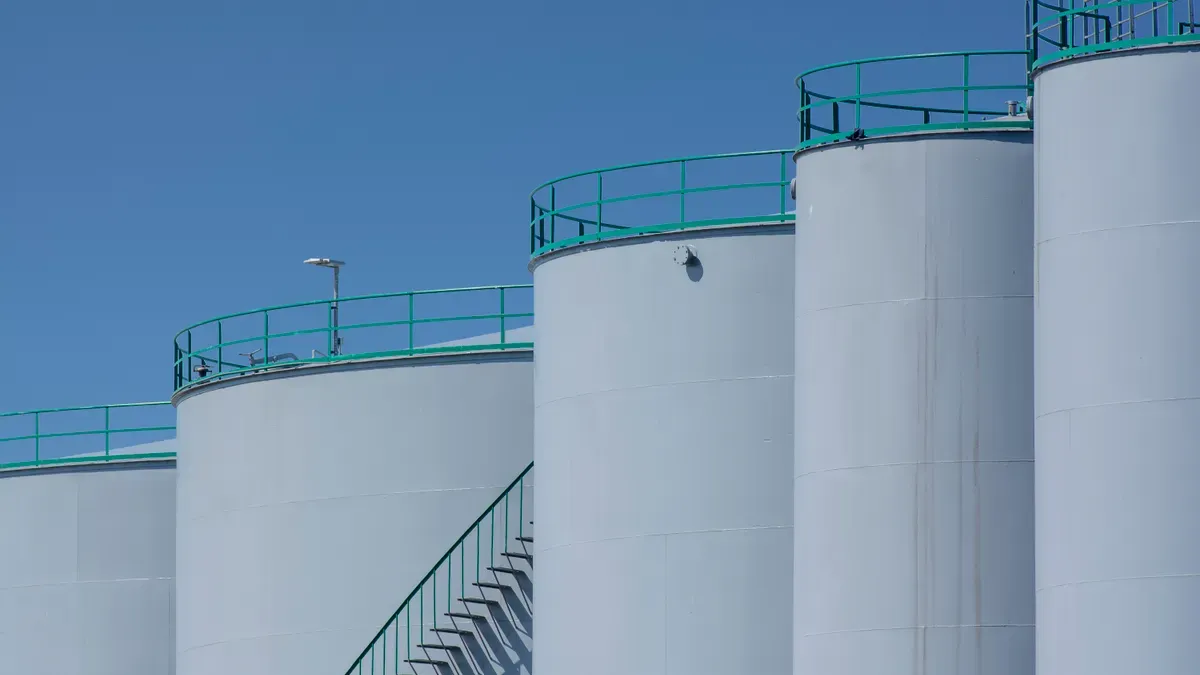
Cryogenic control valves are used in many industries. They help keep the flow safe and steady at very cold temperatures. These valves handle liquid oxygen, LNG, and other cold fluids. Ships use them for liquefied hydrogen bunkering and emergency stops. Power plants use cryogenic globe valves to cool things and make energy. Chemical plants use them to control LNG and natural gas. This keeps the process safe and working well. Oil and gas companies use cryogenic control valves the most. About 43.85% of these valves are used for LNG jobs. They help with processing and moving LNG. These valves stop freezing and leaks. This is important for all these uses.
Some common places where cryogenic control valves are used are:
-
Marine: Used for bunkering and emergency stops with liquefied hydrogen.
-
Power: Used in cooling systems and to control cold fluids.
-
Chemical: Used for LNG, natural gas, and other cold materials.
-
Oil & Gas: Used for processing, storing, and moving LNG.
Selection and Maintenance Tips
When picking cryogenic control valves, you need to check a few things. Look at the temperature, pressure, and what fluid you will use, like liquid oxygen. Make sure the valve material stays strong in the cold. The seal must stop leaks, even when it is freezing. Decide if you want to use the valve by hand or with machines. Check if the supplier knows about cryogenic valves.
|
Factor |
What to Check |
|---|---|
|
Operating Parameters |
Temperature, pressure, media, pipeline size, flow needs |
|
Material Certification |
Toughness at lowest temperature |
|
Sealing Performance |
Leakage standards, special seals for critical use |
|
Operation Type |
Manual or automated, freeze protection |
|
Supplier Qualification |
Experience with cryogenic control valves |
|
Cost-Benefit Analysis |
Life-cycle costs, maintenance, downtime |
When you install the valve, you might have problems with sealing or freezing. Use special seals and cover the valve to keep it safe. Stainless steel and coatings help stop damage from cold fluids. For maintenance, check seals and moving parts often. This is extra important with liquid oxygen or other harsh fluids. Regular checks help you find problems early and keep things safe.
Tip: Always follow what the manufacturer says for installing and taking care of cryogenic control valves. This helps you stop leaks and keeps your system working well.
You now know that cryogenic globe valves help keep things safe in very cold places. These valves work well and are simple to use. You get these benefits:
-
They work well when it is cold and under high pressure.
-
The materials last a long time and stay strong.
-
You can control the flow exactly how you need.
-
You do not need much force to use them.
-
They close tightly so nothing leaks out.
Pick LIANGGU VALVE for your next cryogenic job. You will get valves that work well and last a long time.
FAQ
What makes a cryogenic globe valve different from a regular globe valve?
A cryogenic globe valve has an extended bonnet and uses special materials. This design keeps the packing area warm. It helps stop leaks. Regular globe valves cannot work in very cold places. They cannot stop freezing in the stem.
How do you know if a cryogenic globe valve is right for your system?
Check the temperature and type of fluid you use. If you handle liquefied gases or fluids colder than -40°C, you need a cryogenic globe valve. Always check your system’s pressure and safety needs before picking a valve.
How often should you maintain a cryogenic globe valve?
You should check seals and moving parts every few months. Look for leaks or worn parts. Regular checks help you find problems early. This keeps your system safe.
Can you automate a cryogenic globe valve?
Yes! You can add electric, pneumatic, or hydraulic actuators to automate the valve. This lets you control flow from far away. It makes things safer in dangerous or hard-to-reach places.
