

A duplex spring safety valve combines two spring parts. These parts sit on one shared base. You install this strong duplex safety valve today. It gives essential pressure relief for large boilers. It also helps pressure vessels and pipe systems. This special safety device shields your plant gear. It guards against sudden pressure spikes inside. Inner spring forces keep the seat closed tightly. It stays sealed until fluid hits set pressure. Sudden high pressure triggers a full release fast. This quick discharge lowers dangerous line pressure quickly. As a top maker, Lianggu Valve crafts each certified duplex spring safety valve. They also build every standard safety valve carefully. They follow strict ASME, API, and ISO rules. You can trust each pressure relief valve always. It ensures safe work across your plant.
Key Takeaways
-
This dual valve uses two springs. It protects machines from high pressure.
-
The two-spring design doubles total flow capacity. It also saves floor space on tight pipe layouts.
-
Lianggu Valve makes safe valves. They meet top world standards. These include ASME and ISO.
-
Routine bench tests stop leaks. Seat lapping stops fluid leaks. These steps keep pressure limits precise.
Mechanics of a Duplex Spring Safety Valve
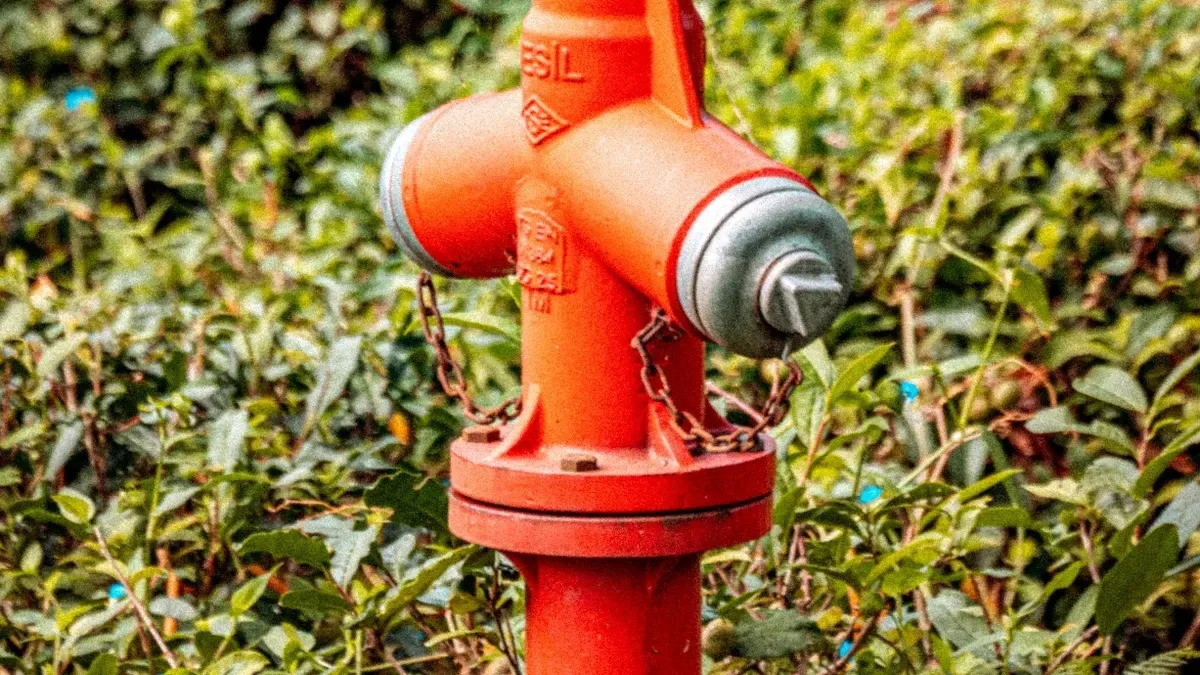
You protect huge gear well. Just learn basic valve parts. Power plants need good safety tools. These tools stop bad fluid pressure. A duplex valve design helps. It offers strong plant protection. Inside parts join two setups. Operations stay safe under stress.
Twin Spring Assembly and Y-Manifold Design
A Y-manifold joins two springs. It puts two identical valves together. They sit on one Y-connector. Each valve has a spring. Each has a disc too. This twin setup shares one inlet. It uses one outlet pipe. You get double pressure tracking. Relief happens in one valve body.
Shared Discharge Outlet
Spring Assembly A Spring Assembly B
Shared Y-Manifold
System Inlet
Inside bonnets, tight springs push down. The spring force hits the disc. This force stops system inlet pressure. It works during normal plant times. You change set pressure easily. Just turn top adjusting screws.
Good metals make valves work well. Nasty fluids and heat hurt parts. So, Lianggu Valve uses strong metals:
-
Carbon steel handles high-pressure steam.
-
Stainless steel stops harsh chemical harm.
-
Alloy steel works in hot plants.
-
Special alloys suit tough ocean sites.
These strong metals stay tough. They stop component wear out fast.
Seat Sealing Interfaces and Disk Mechanisms
The seat stops leaks daily. A metal disc sits tight. It rests on raised seats. Flat metal faces create precision seals. Tight fits block escaping gas. They keep fluids inside pipes.
Force balance makes this work. Fluid pushes up on discs. Springs push down to seal. The seal holds under limits.
Valve Component | Primary Mechanical Function
Calibrated Spring | Pushes down with tight force
Valve Disc | Seals tight against valve seats
Metallic Valve Seat | Forms a precision leak-tight barrier
Blowdown Adjusting Ring | Controls valve lift and pops
High pressure pushes discs up fast. This force beats spring strength. The disc lifts off seats. A ring sends fluid sideways. This extra push adds lift. Fluid overcomes heavy spring loads.
Dual springs give double protection. Both sides protect one pipe. If one side fails, safety stays. Lianggu Valve meets global rules. They follow ASME, API, and ISO. You keep workers safe today. You protect big plant gear.
How a Duplex Safety Valve Operates
Boilers need safety protection. Duplex spring valves work well. They balance system forces. This keeps gear safe.
Set Pressure Activation and Rapid Disc Lift
System pressure stays low. The spring pushes down. This holds discs tight. Fluids stay in pipes.
Pressure rises close now. Fluid matches spring strength. Discs lift up slightly. See the fast steps:
-
Liquid hits small spaces.
-
Pressure hits disc areas.
-
Sudden forces open valves.
This action lifts discs fast.
High-Capacity Pressure Relieving Action
Valves open to vent. Both twin springs open. This doubles total flow. It saves floor space.
Disc shapes speed flow:
-
Lip Rings: Extra lips catch fast flows.
-
Dynamic Force: Fast liquid pushes discs.
-
Chatter Stop: Discs stop fast slamming.
This action drops pressure fast. Heavy springs stay quiet.
Controlled System Blowdown and Reseating
Fast venting drops pressure. System levels become safe. Discs stay open briefly. This stops dangerous chatter.
Rules set blowdown limits:
|
Governing Code Standard |
Typical Blowdown Range Percentage |
Primary Application Target |
|---|---|---|
|
ASME Section I |
4% to 6% of set pressure |
Power boilers and high-pressure steam |
|
ASME Section VIII |
7% of set pressure |
Unfired pressure vessels and process systems |
Pressure drops down lower. Liquid flows slow down. Springs push discs shut. Seals shut off pipes. You protect big gear.
Advantages of Lianggu Safety Valve Solutions
Enhanced Flow Capacity and Compact Footprint
Get big flow relief without adding pipes. A duplex spring safety valve has two springs. They sit on one Y-manifold casting. This smart design doubles total discharge fast. It uses just one vessel nozzle. You save space on steam boilers. It saves space on high-pressure tanks.
Tight plant layouts limit space. Installers cannot fit two separate stations side-by-side. One duplex spring safety valve fixes tight spaces. Lianggu Valve builds units for API 526. They meet ASME Section VIII rules. You get top discharge volume easily. You cut installation costs a lot.
Operational Redundancy for System Protection
Industrial plants need good safety valve options. They avoid bad overpressure events. A duplex safety valve uses two springs. Both work on one system. One spring set moves during small surges. Both springs lift for big fluid spikes. Equipment stays safe.
Lianggu Valve builds certified safety valve setups. They follow ISO 4126 and CE/PED standards. Global plants use them.
This dual-spring design keeps systems safe. Cycles can be very tough. Pilot-operated safety relief valves need sensing lines. They need control gas inputs. These mechanical units need none. You shield critical process units. You stop mechanical failures. You stop clogged lines.
High-Pressure Resistance and NACE Compliance
Hard industrial jobs bring extreme conditions. Install a Lianggu duplex spring safety valve. It handles 0.1 MPa to 40 MPa. That means 15 PSI to 5800 PSI. Heavy-duty springs keep tight tension. They withstand big pressure changes.
|
Standard / Certification |
Operational Scope and Compliance Advantage |
|---|---|
|
NACE MR0175 |
Stops sulfide stress cracking in sour gas |
|
API 526 / ASME VIII |
Standard center-to-face dimensions and proven relief capacity |
Sour oil and gas plants need metals. Pick custom alloy bodies for NACE MR0175. They suit tough sour service. Lianggu Valve makes strong safety relief valves. They stop harsh corrosion attacks. They last a long time. You keep plant workers safe.
Key Industrial Applications

Power Generation and Steam Boiler Systems
Power boilers make hot steam energy under high pressure. You need trusty relief tools on main steam pipes. Installing a duplex spring safety valve shields steam boilers over 15 psig. This tough safety tool handles fast steam expansions during quick surges.
ASME Section I rules cover these boiler systems. The code asks for 3% overpressure for full venting. Each safety valve unit opens within 3% overpressure. It shuts within 4% blowdown. Total pressure stays below 6% extra over working limits. Verified devices show a National Board 'V' mark on bodies.
Petrochemical and Distillation Processing
Chemical plants process active fluids under steady heat. Distillation towers need fast pressure control tools for production. A tight duplex spring safety valve fits crowded tank nozzles. You save setup space without losing liquid venting power.
Process tanks follow ASME Section VIII rules. Code rules allow 10% extra pressure for one valve. Multi-valve setups allow 16% extra pressure. Fire events allow 21% extra pressure over working limits. Process systems use a certified safety valve with 'UV' marks.
Oil and Gas Midstream Pressure Pipelines
Long pipelines carry oil and natural gas far away. Pumping stations feel hard liquid hits when valves close. Mounting a duplex spring safety valve on pipe manifolds shields networks.
Field workers trust a duplex spring safety valve. It stops huge pipe breaks at far gas stations. A strong duplex safety valve vents high-pressure gas fast. You hold full pressure control on big pipeline networks.
Maintenance and Pressure Calibration
Bench Testing and Set Pressure Calibration
Calibrate each valve often. Use a test bench.
Connect nitrogen to the inlet. You can use hydraulic rigs.
Raise the static inlet pressure. The disc lifts off seats.
Turn top screws to adjust. This sets exact pressure limits.
Techs check pop actions fast. They adjust rings to 5% or 10%.
Testing keeps valves accurate under pressure.
Lianggu Valve supports third-party tests. Agencies like SGS help verify.
Tests confirm accuracy before final site setup.
Seat Lapping and Preventative Maintenance
Routine checks stop leaks daily. Inspect parts during plant shutdowns.
Techs polish metal seal faces. They use fine abrasive tools.
Smooth seats fix tight seals. This stops fluid loss fast.
Inspect bonnets and disc guides. Check stems and twin springs.
Look for wear and corrosion.
Duplex valves cut repair downtime. Lapping removes small scratches completely.
Maintain total plant readiness now. Test and reassemble carefully.
Your team protects pressure vessels. They guard steam lines well.
Good maintenance ensures great protection. Choosing Lianggu Valve stops process delays.
It makes parts last longer.
A duplex spring safety valve uses twin spring assemblies. They sit on one manifold. They shield gear against sudden high pressure. This valve discharges extra pressure fast. Then it shuts tight again automatically. Lianggu Valve uses strong quality checks. We build each safety valve for API 526 rules. They also meet ASME Section VIII standards.
You can order custom safety relief valves. They handle pressures from 0.1 MPa to 40 MPa. A good duplex spring safety valve shields your plant. It stops sudden pressure spikes. Visit the Lianggu Valve website today. Contact our tech team for quotes now.
FAQ
What is the main benefit of installing a duplex spring safety valve?
Get double flow out one hole.
Twin springs save space on small tanks.
It adds backup protection from pressure spikes.
What pressure ranges can a Lianggu duplex safety valve support?
These parts work across big ranges.
They handle 0.1 to 40 MPa.
That is 15 to 5800 PSI.
They protect hot boilers and pipes.
Which international standards does each safety device comply with?
Lianggu follows strict global making rules.
Units meet API 526 and ISO 4126.
They match ASME Section VIII standards too.
Sour gas jobs get NACE MR0175 compliance.
How do you maintain a safety valve to prevent leaks?
Check parts during planned plant stops.
Techs rub seats smooth with fine tools.
This seat lapping stops small leaks.
Bench tests verify spring tension settings.
This holds exact set pressure limits.
