

A globe valve for liquefied natural gas lets you control LNG flow well. This valve has a special design. It helps you change or stop the flow safely. It works even when pressure is high or temperatures are low. In LNG systems, good flow control keeps things steady. It also lowers noise. This is important for safety and for working well. As more LNG systems are built, more people need these valves.
|
Year |
Projected Market Size (USD Billion) |
|---|---|
|
2024 |
4.64 |
|
2033 |
10.06 |
You can count on LIANGGU VALVE for advanced globe valves. These valves meet the tough needs of LNG use.
Key Takeaways
-
Globe valves help control LNG flow very accurately. They let people make safe changes in places with high pressure and cold temperatures.
-
Picking the right globe valve means checking its pressure rating. You also need to check its temperature range and sealing type. This makes sure it fits your LNG system needs.
-
Regular maintenance is important for globe valves. This includes checking them every month and fixing them when needed. It stops leaks and keeps cryogenic valves working well in LNG systems.
-
LIANGGU globe valves have special designs that make them safer. They lower gas leaks and work well in tough conditions.
-
Knowing what materials are in cryogenic valves is helpful. Materials like stainless steel and PTFE work well in cold places. They help stop the valves from breaking.
Globe Valve for Liquefied Natural Gas: Fundamentals
What Is a Globe Valve
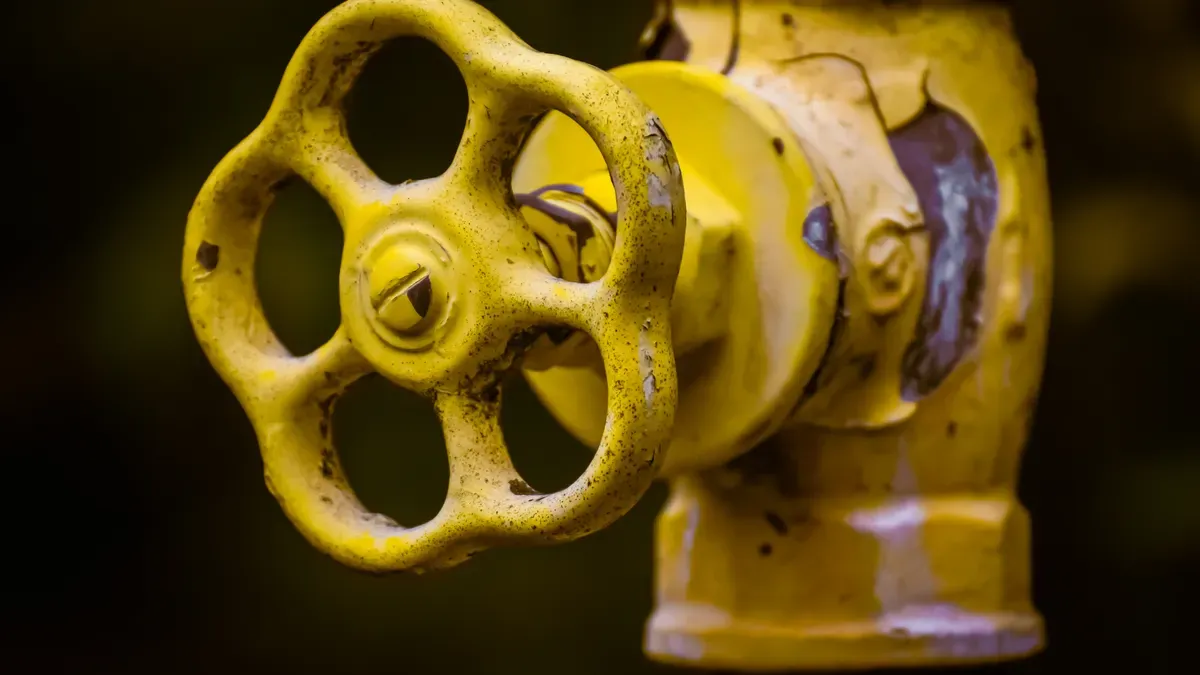
A globe valve for liquefied natural gas is a special valve. It helps control the flow of LNG in pipes and tanks. The valve has a round body. Inside, there is a disc that moves up and down. This disc lets you start, stop, or change the flow of LNG. You can do this with a lot of accuracy. The globe valve for liquefied natural gas works in very cold places, even down to -196°C. It is safe to use when pressure is high or the area is tough.
The globe valve for liquefied natural gas has many important parts:
-
The body is strong and handles high pressure and cold.
-
The disc moves straight up and down for good control.
-
The sealing surface is made from a hard alloy, so it lasts longer.
-
The upper sealing seat is raised for more safety.
-
The PCTFE bushing keeps the valve steady when it works.
-
The drip plate stops water from hurting the insulation.
You see these valves in LNG plants, terminals, and transfer lines. They are made to meet strict rules like API 623 and BS6364. This means they are safe and work well.
How It Works in LNG Systems
When you use a globe valve for liquefied natural gas in an LNG system, you get good control over the flow. You can open, close, or change the flow by turning a handwheel or using an actuator. The disc inside moves up or down. This changes how much LNG can go through the pipe.
You need this control because LNG systems are very cold and have high pressure. If you do not control the flow, you might get vapor lock or pressure spikes. These problems can be dangerous or break equipment. Gate valves only start or stop the flow. But a globe valve for liquefied natural gas lets you adjust the flow exactly. This is good when you need to change how much LNG moves in the system.
In LNG work, you often need to change the flow or make small fixes. The globe valve for liquefied natural gas is best for these jobs. It helps keep the system safe and steady, even if things change fast.
Key Features of LIANGGU Globe Valves
If you pick a LIANGGU globe valve for liquefied natural gas, you get many smart features. These features help you stay safe and work well in LNG places. Here are some main features:
-
Precise Flow Control: The valve’s straight motion lets you change the flow of LNG very well.
-
High-Pressure Ratings: You can use these valves in systems with pressure up to 2500LB (PN420). This is important for LNG.
-
Cryogenic Compatibility: The valve works at very cold temperatures, even down to -196°C.
-
Extended Stem with Raised Stuffing Box: This helps the valve work well when metal gets cold or hot.
-
Middle Cavity Pressure Relief: This stops dangerous pressure from building up inside the valve.
-
Reliable Sealing: Special seals stop leaks, which is important because LNG can catch fire.
-
Fireproof and Anti-static Design: These features help you follow safety rules in LNG plants.
-
Testing and Inspection: Each valve is tested in cold and checked for leaks to make sure it works.
-
Multiple Actuation Options: You can pick manual, electric, pneumatic, or hydraulic ways to use the valve.
-
Compliance with International Standards: LIANGGU globe valves meet rules like API 600, DIN, and JIS. This means they are high quality.
Tip: When you pick a globe valve for liquefied natural gas, always check the pressure rating, temperature range, and sealing type. This makes sure the valve will work well in your LNG system.
The LNG industry is growing fast. More companies use advanced globe valves to make things safer and better. You can trust LIANGGU globe valves to give you the control and safety you need for your LNG projects.
Cryogenic Performance and Design
When you use LNG, you need valves for very cold places. Cryogenic performance is the most important thing in these systems. Cryogenic valves must stay strong and work well in freezing temperatures. You want to stop leaks and keep your LNG system safe.
Materials for Low Temperatures
You have to pick the right materials for cryogenic valves. These materials help the valve work well when it is very cold. Stainless steel, like 304 and 316, is tough and does not rust. Nickel-based alloys, such as Monel and Inconel, stay strong when it gets colder. Cryogenic polymers, like PTFE and PCTFE, seal well even if metal parts get smaller. Here are the main materials in the table below:
|
Material Type |
Description |
|---|---|
|
Austenitic Stainless Steels |
Durable and corrosion-resistant for cryogenic valves. |
|
Nickel-Based Alloys |
Strong at low temperatures for LNG and cryogenic service. |
|
Cryogenic Polymers |
PTFE and PCTFE seal well during thermal contraction. |
|
Soft Sealing Structures |
Modified PCTFE handles metal deformation in cryogenic valves. |
|
Graphite |
Used for flange ends and packing boxes for effective sealing. |
You need these materials so your cryogenic valves last and work well in LNG plants.
Sealing and Leak Prevention
Sealing is very important in cryogenic valves. You want to stop leaks and keep your LNG system safe. Cryogenic valves use special designs and materials for this job. An extended bonnet design makes a vapor space between the cold LNG and the stem packing. This lowers the chance of leaks. PTFE and flexible graphite make strong seals, even when the temperature changes fast. Lip seals help keep leaks small. You can see the sealing features in this table:
|
Feature |
Description |
|---|---|
|
Extended Bonnet Design |
Reduces leakage risk in cryogenic valves for LNG. |
|
PTFE |
Offers chemical resistance and low friction in cryogenic valves. |
|
Flexible Graphite |
Seals well under different temperatures in cryogenic valves. |
|
Lip Seals |
Keep leakage low in cryogenic valves for LNG. |
Low fugitive emissions are important for safety and the environment. You want your cryogenic valves to meet these rules.
Actuation Options for LIANGGU Globe Valves
You can pick different actuation options for your cryogenic valves. Manual, electric, pneumatic, and hydraulic actuators all work with LIANGGU globe valves. Smart actuation technology makes your LNG system better. You can set up and adjust these actuators easily. They use little energy and work in cold places. If you lose power, the actuator can move to a safe spot. You can also check and control your cryogenic valves from far away. This helps you keep your LNG system safe and working well.
Tip: Always make sure your cryogenic valves match the temperature and pressure in your LNG system. This keeps your plant safe and running well.
Cryogenic valves from LIANGGU give you the performance, safety, and control you need for LNG. You can trust these valves to work in the coldest places.
Applications and Benefits in LNG
Typical Uses in LNG Facilities
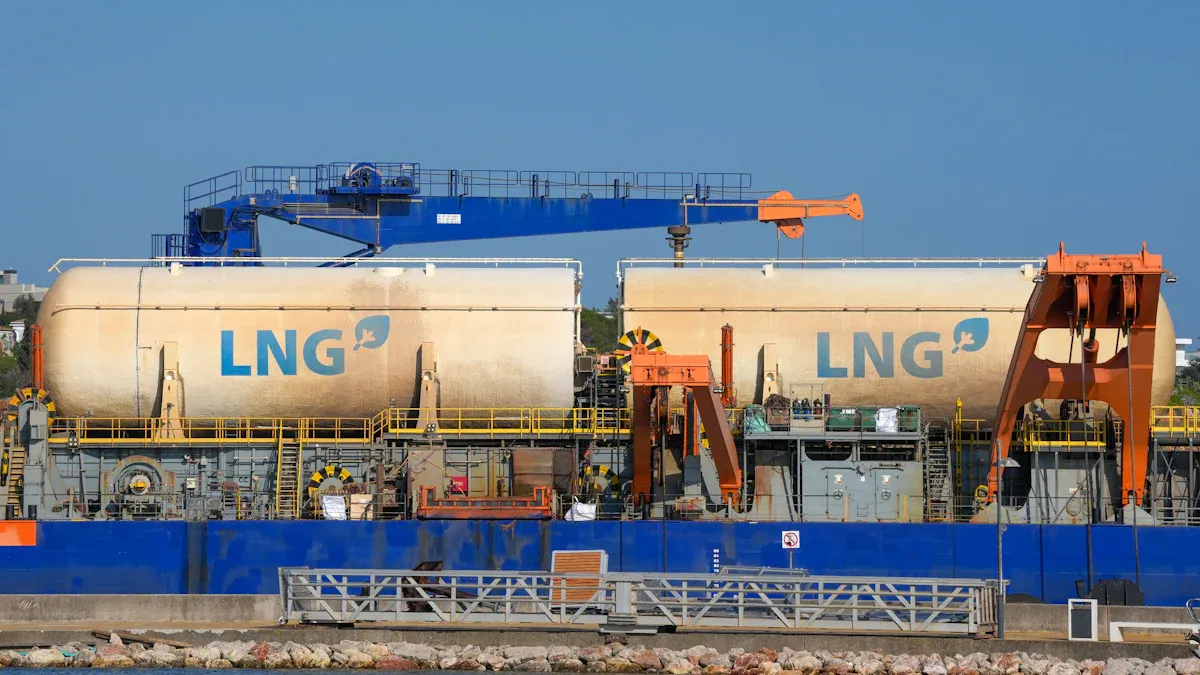
Globe valves are used in many places at an LNG facility. They are important in terminals where LNG comes or goes by ship or truck. You also find them in storage tanks. Here, they help control how LNG moves in and out. During transport, globe valves manage LNG flow in pipes and transfer lines. In processing plants, they make sure LNG moves safely from one step to the next. In storage areas, globe valves help keep pressure right and stop leaks. These valves also help in vaporization units. This is where LNG turns back into gas for use or delivery.
Safety and Precision Control
It is important to control LNG flow very carefully. Globe valves let you change the flow exactly how you need. This helps stop pressure jumps and keeps things steady. If there is a problem, globe valves can shut off flow fast. This makes the system safer. Their strong seals stop leaks, so you do not lose LNG or have gas escape. The disc moves in a straight line. This gives better control than other valves. In LNG transport and storage, this accuracy keeps people and equipment safe.
-
Globe valves let you control flow and shut off lines. This is needed for safe LNG transfer.
-
Their strong seals stop gas from escaping and keep pressure steady. This makes things safer.
-
The straight movement of the disc gives better control than other valves.
Advantages of LIANGGU Globe Valves
If you pick LIANGGU globe valves for your LNG plant, you get many good things. These valves leak very little, so you lose less LNG and stay safe. The special seals lower gas leaks into the air. This helps protect the environment. LIANGGU globe valves work well even when it is very cold. You can trust them for both storage and moving LNG. Their design lets you control temperature and pressure in the whole LNG process. You get safety, good performance, and reliability in every part of your LNG work.
-
Cryogenic globe valves leak less, so you lose less LNG and stay safe.
-
Special seals cut down on gas leaks, which helps the environment.
-
Globe valves let you control flow well, which is important for good LNG processing.
-
They work safely and reliably in very cold places, which is needed for cryogenic fluids.
Tip: Always pick globe valves that fit your LNG system’s pressure and temperature. This keeps your plant safe and working well for a long time.
Challenges and Solutions
Addressing Cryogenic Challenges
When you use cryogenic valves in LNG systems, you face special problems. Cold temperatures make metals shrink. This can change how the valve works. You must watch for leaks called fugitive emissions. Seal materials can get hard and break from heating and cooling. This can cause leaks. Some materials bend under pressure. This makes cold flow problems and stops the valve from closing all the way.
You might also have issues like:
-
Seals not working because cold makes them brittle. This lets methane leak out.
-
Heat and cold can crack or bend valve parts.
-
Fast pressure changes during two-phase flow can be dangerous.
LIANGGU VALVE makes cryogenic valves to fix these problems. The valves use strong alloys and polymers that stay tough and bendy in cold. Extended bonnets keep the packing area warmer. This lowers the chance of leaks. The sealing system uses PTFE and PCTFE. These materials do not get brittle or bend too much in cold. These features help keep your LNG storage and transport safe and steady.
Maintenance and Reliability
You need to keep cryogenic valves working well for safety and reliability. Regular care stops leaks and failures in storage and transport. Here are some good steps:
|
Maintenance Practice |
Description |
|---|---|
|
Monthly Inspections |
Look for damage, leaks, or frost on cryogenic valves. |
|
Periodic Servicing |
Change packing materials every two years or as needed. |
|
Proper Adjustment |
Tighten gland nuts just enough to keep seals safe. |
You should check for rust and use grease that works in cold on stem threads. Change seals if you see damage. These steps help stop downtime and keep your LNG system running well.
LIANGGU VALVE makes cryogenic valves that last long and work well. The valves use strong materials and let you control flow exactly. This lowers mistakes and cuts down on maintenance. The design helps you avoid downtime in your LNG plant. It keeps storage and transport safe and efficient every day.
You use globe valves to manage how liquefied natural gas moves in very cold places. A lng ball valve helps keep your system safe and working well. LIANGGU VALVE has lng ball valve choices you can count on for your LNG jobs. Each lng ball valve has tight seals and works with good accuracy. You can rely on LIANGGU VALVE to give you lng ball valve answers that match what you need.
Pick LIANGGU VALVE for lng ball valve products made for you. These help your LNG plant work without problems.
FAQ
What is the main job of a globe valve in a natural gas system?
You use a globe valve to control the flow of natural gas. It helps you start, stop, or adjust the amount of gas moving through pipes. This keeps your natural gas system safe and steady.
Why do you need special valves for liquefied natural gas?
Liquefied natural gas is very cold. You need special valves to handle this low temperature. These valves stop gas leaks and keep the natural gas from escaping. They also help you control the gas flow in your system.
How do you pick the right globe valve for gas?
You look at the type of gas, pressure, and temperature. You check if the valve can handle natural gas or other types of gas. You also make sure the valve fits your pipe size and meets safety rules for gas systems.
How often should you check your gas valves?
You should check your gas valves every month. Look for leaks, frost, or damage. This helps you find problems early. Regular checks keep your natural gas system safe and help you avoid gas accidents.
Can you use the same valve for all types of gas?
No, you cannot use the same valve for every gas. Some gas types need special materials. Natural gas, for example, needs valves that work well at low temperatures. Always pick a valve made for your gas type.
