

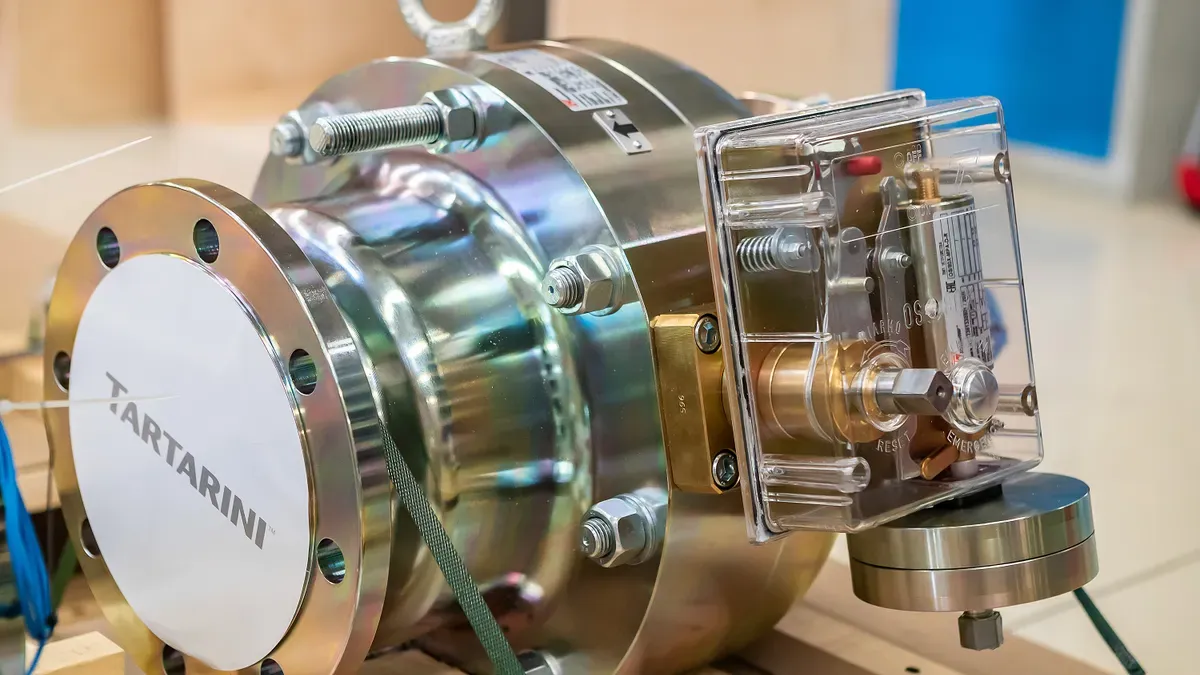
A stainless steel check valve lets fluid move one way. You use this valve to stop fluid from going backward. It helps protect your equipment from damage. The valve works by itself. It opens when fluid goes forward. It closes when fluid goes backward. Stainless steel check valves are special. They do not rust easily and last a long time. You pick stainless steel check valves for strong chemicals. You also use them for high-pressure systems. The smooth surface keeps the valve clean. It also makes the valve work well. Many places spend less money fixing these valves. Stainless steel check valves help lower maintenance costs. LIANGGU VALVE gives good check valves to industries. These industries need strong and reliable valves.
-
Stainless steel check valves do not wear out fast.
-
They need fewer fixes and save money over time.
-
The smooth surface stops dirt and buildup.
Key Takeaways
-
Stainless steel check valves stop water from flowing backward. This helps protect your system from harm and dirt. These valves are strong and do not rust easily. They work well in tough places and help save money on repairs. Picking the right check valve for flow and pressure is important. It helps the system work well and stay safe. Cleaning and checking the valves often keeps them working longer. LIANGGU VALVE has many stainless steel check valves. They make different types for different jobs in factories.
How Stainless Steel Check Valves Work

Basic Mechanism and One-Way Flow
A check valve controls which way fluid moves in pipes. This valve works on its own. It opens when fluid pushes hard enough from the inlet side. If the pressure drops or goes backward, the valve shuts by itself. This makes check valves let fluid go forward only. They stop fluid from moving backward.
A check valve has a disc, seat, and body. The disc moves to open or close the valve. When the inlet side has more pressure, the disc lifts or swings away from the seat. Fluid can pass through the valve. If pressure drops or reverses, the disc goes back to the seat and blocks the flow. This simple action does not need outside power or someone to operate it.
You can look at the table below to see how this works:
|
Mechanism |
Description |
|---|---|
|
Opening |
The valve opens when upstream pressure is higher than downstream. |
|
Closing |
The valve shuts by itself when pressure drops or reverses. |
Stainless steel check valves work in many conditions. You can use them in systems with high pressure up to 4,350 psi. They also work with low cracking pressures, starting from 0.0 psi up to 30 psi. This makes them useful for lots of jobs.
|
Parameter |
Value |
|---|---|
|
Max Working Pressure |
4,350 psi |
|
Cracking Pressure |
0.0 – 30 psi |
Check valves help keep pressure steady in pipes. They also keep fluid clean and moving the right way. Using one-way valves stops problems from reverse flow.
Backflow Prevention in Check Valves
Backflow can cause big problems in your pipes. Without a check valve, fluid can move backward. This can mix clean water with dirty or harmful stuff. It can also cause bad chemical reactions. Sometimes, backflow can break safety rules and cause legal trouble.
Here are some risks if you do not control backflow:
-
Reverse flow can mix dirty fluids with clean water.
-
Chemical reactions can happen and hurt safety or quality.
-
Polluted water or sewage can get into clean lines and spread sickness.
-
Not stopping backflow can lead to legal penalties.
A stainless steel check valve keeps equipment safe. It stops reverse flow by closing fast when pressure drops or goes backward. The valve uses a disc, ball, or other part to seal the passage. This stops backflow and keeps your system steady.
You can see how stainless steel check valves stop backflow in high-pressure systems in the table below:
|
Feature |
Description |
|---|---|
|
Corrosion Resistance |
Stainless steel check valves do not rust, so they work well in tough places. |
|
High Strength and Durability |
They are strong and last a long time in high-pressure systems. |
|
Cracking Pressure |
Needs a certain pressure to open, so it stops backflow when pressure drops. |
|
Closing Mechanism |
Uses a gate, ball, diaphragm, or disc to block reverse flow when back pressure happens. |
Check valves also help save energy. They keep fluid moving one way and keep pressure steady. This lowers energy loss and cuts costs. You get better performance and reliable fluid control.
Stainless steel helps stop common valve problems. Issues like seat wear, spring fatigue, and slam closure happen less. Stainless steel does not rust or get damaged by chemicals. It works well with many fluids and gases.
When you use check valves, you get strong backflow control. You protect your equipment, keep your system safe, and make sure everything works well.
Key Features of Stainless Steel Check Valves
Corrosion Resistance and Durability
Stainless steel check valves are great for stopping rust. They work well with harsh chemicals, saltwater, and lots of moisture. These valves do not break down in tough places. You can use them in marine, chemical, or water treatment systems. Stainless steel check valves last a long time, sometimes 10 to 20 years. They keep working even when under pressure. You do not need to replace them often. This saves you money and keeps your system running. You also lower the chance of contamination in your system.
Some stainless steel grades give extra protection:
-
UNS S31254 (254SMO and AL6XN) stops crevice corrosion and chloride pitting.
-
UNS S20910/S21800 (Nitronic 50/60) is good for food and chemical plants.
-
UNS N08904 (904L) works with strong acids and in power plants.
Superaustenitic stainless steels are even stronger. They give more corrosion resistance and strength. You can trust these check valves in very harsh places.
Design and Material Options from LIANGGU VALVE
LIANGGU VALVE has many stainless steel check valve types. You can pick swing, lift, or ball check valves. Each type is good for different jobs. Sizes go from DN15 to DN2000. Pressure classes range from 150LB to 2500LB. You can choose body materials like CF8, CF8M, CF3, or CF3M. Trim materials include SS304, SS316, and SS316L. These choices help you find the right valve for your system.
LIANGGU VALVE follows strict world standards. Their valves meet API 594, API 6D, and ISO 5208. Every check valve gets tested carefully. This makes sure you get strong and reliable valves.
Tip: You can ask LIANGGU VALVE for custom check valves if you need something special.
Advantages Over Other Check Valve Materials
Stainless steel check valves have many benefits over other materials. They resist corrosion better than brass or cast iron. Stainless steel does not rust in salty or wet places. It lasts longer than plastic or bronze valves. You can see the difference in this table:
|
Material |
Corrosion Resistance |
Notes |
|---|---|---|
|
Stainless Steel |
Superior |
Works well in chloride and harsh chemical environments. |
|
Brass |
Moderate |
Can corrode in some conditions. |
|
Cast Iron |
Lower |
Prone to internal corrosion in aggressive water. |
Stainless steel check valves can handle high heat and pressure. They work up to 870 °C and 6000 psig. You do not have to worry about leaks or damage from pressure surges. These valves help keep your system clean and safe.
You spend less money over time with stainless steel check valves. They need less fixing and fewer replacements. Over 10 years, you save money and avoid problems with contamination. Stainless steel check valves are a smart choice for safety and value.
Types of Stainless Steel Check Valves

Swing Check Valves
Swing check valves let fluid move in one direction. The disc opens when fluid goes forward. When flow stops, gravity closes the disc. These valves work best in pipes that run sideways. You often see them in water lines and fire systems. They are also used in city water pipes. Swing check valves are good for steady flow and low pressure drop. The disc and hinge last longer, so you fix them less.
-
Used in sideways pipes
-
Good for steady flow
-
Best for low pressure drop
-
Found in water transfer lines
Swing check valves do not work well in pipes that go up and down. They also are not great for systems that start and stop a lot. You need special types for those cases.
Lift Check Valves
Lift check valves have a disc that moves up and down. You find these valves in water supply and pump stations. They are also in irrigation, cooling, and heating systems. You see them in factories and oil and gas plants. The disc lifts when fluid pushes up. It drops down to close when flow stops. Lift check valves seal tightly and handle high pressure.
-
Water supply pipes
-
Pump stations
-
Irrigation systems
-
Cooling and heating
-
Factories and chemical plants
-
Oil and gas plants
Pick lift check valves when you need strong sealing and good performance.
Ball Check Valves
Ball check valves use a ball to stop backward flow. The ball moves away when fluid goes forward. It rolls back to close when flow stops. Ball check valves are best for clean fluids and medium pressure. They are small and simple. You see them where space is tight. Ball check valves react fast and need little care.
Custom and Specialty Check Valves by LIANGGU VALVE
LIANGGU VALVE makes special check valves for your needs. You can ask for different sizes or special materials. They offer spring check valves and non-return valves for tough jobs. All valves are tested to world standards. LIANGGU VALVE helps you pick the right valve. They also help with setup and care. The company makes sure your valves fit your needs.
Tip: Ask LIANGGU VALVE for a non-return or spring check valve made for your system.
|
Valve Type |
Ideal Application |
Key Feature |
|---|---|---|
|
Swing check valve |
Water lines, fire systems |
Low pressure drop |
|
Lift check valve |
Water supply, oil and gas |
Tight seal, high pressure |
|
Ball check valve |
Clean fluids, small spaces |
Simple, reacts fast |
Choosing the right check valve keeps your system safe. You protect your equipment and make sure everything works well with non-return valves.
Applications and Selection Tips for Check Valves
Industrial Uses of Stainless Steel Check Valves
Stainless steel check valves are used in many jobs. They help protect machines and keep systems safe. You can find them in power plants and oil fields. They are also in chemical factories and water treatment plants. These valves work well in marine systems and wastewater jobs. People use them in plumbing to stop water from going backward. Water check valve types help city water lines and fire systems. Stainless steel check valves last longer in tough places. This means you do not have to fix them as much.
Stainless steel check valves give strong safety and work well. You use them where rust is a big problem.

How to Choose the Right Check Valve
Picking the right check valve is very important. It helps keep your system safe and working well. You need to think about flow rate and pressure. You also need to know what kind of fluid you have. Stainless steel check valves work best when they match your system. Make sure the valve fits in your space and handles the right pressure. The valve material must match the fluid, especially with chemicals or saltwater.
|
Key Factor |
Description |
|---|---|
|
Flow Rate and Pressure |
Know your system’s flow and pressure to pick the right valve. |
|
Media Compatibility |
Stainless steel check valves do not rust and work with many fluids. |
|
Installation Space Constraints |
Make sure the valve fits your space and is not too heavy. |
|
Cracking Pressure |
Check the lowest pressure needed for the valve to open. |
Tip: LIANGGU VALVE experts can help you pick the best check valve for your system.
Installation and Maintenance Best Practices
You must install stainless steel check valves the right way. Always follow the maker’s instructions. Make sure the valve faces the right direction. Check the valve often for leaks or damage. Clean the valve and put oil on moving parts. This helps the valve work better. Change seals and packing if you see any damage. Make a plan to check the valve every month and test it every few months.
-
Clean the valve to get rid of dirt.
-
Oil the moving parts with the right oil.
-
Look for leaks, rust, or damage.
-
Test the valve to see if it works.
-
Change seals and packing when needed.
|
Maintenance Task |
Frequency |
Benefits |
|---|---|---|
|
Visual Inspection |
Monthly |
Helps you find problems early |
|
Functional Testing |
Quarterly |
Makes sure the valve works right |
|
Cleaning and Lubrication |
Bi-Annually |
Stops rust and wear |
Taking care of stainless steel check valves keeps them safe and working well. You protect your pipes and get all the good things from using a check valve.
You use a stainless steel check valve to stop fluid from going backward. This valve helps keep your system safe from backflow. Stainless steel check valves do not rust easily. They can handle high heat and last longer than other valves. These valves work well in tough places like oil, gas, and chemical plants.
-
Stainless steel check valves help you spend less on repairs.
-
The smooth surface makes it hard for dirt to stick.
-
Picking the right check valve keeps your system safe and working well.
|
Application Area |
Key Requirement |
Stainless Steel Valve Benefit |
|---|---|---|
|
Industrial Systems |
High temp/corrosion |
Works better than carbon steel, lasts longer |
|
Water/Wastewater |
Chemical resistance |
Does not leak much, needs little fixing |
|
Chemical Processing |
Aggressive chemicals |
Keeps things safe, follows the rules |
You can count on LIANGGU VALVE for good advice and special check valves for your needs.
FAQ
What does a check valve do?
You use a check valve to let fluid flow in one direction. This valve stops fluid from moving backward. It protects your equipment and keeps your system safe.
Where can you install check valves?
You can install check valves in water pipes, chemical plants, and marine systems. These valves work well in places where you need to stop backflow and protect pumps.
How do you know which valve to choose?
You look at your system’s flow, pressure, and fluid type. You check the space for installation. You ask experts for help if you are not sure which check valve fits best.
How often should you check and maintain a valve?
You should check your valve every month. Clean and test the valve to make sure it works. Replace seals or parts if you see damage. Regular checks keep your system safe.
Can you customize a check valve for special needs?
You can ask for custom check valves if you need special sizes or materials. Many companies offer valves made for your system. Custom options help you get the best performance.
