

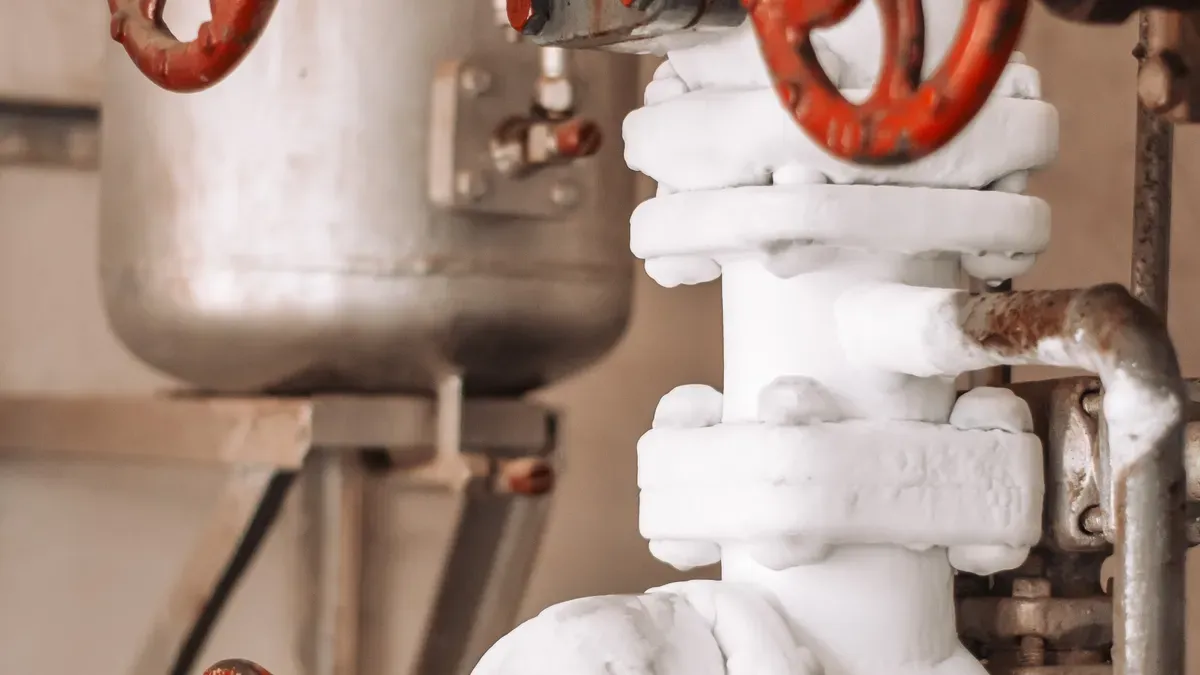
You will see that a 316 stainless steel globe valve works well in tough places. These places include chemical factories or ships. In easier places, like food factories or water systems, a 304 stainless steel globe valve works well. It also costs less money. Look at the table below to compare:
|
Stainless Steel Type |
Common Industrial Environments |
|---|---|
|
304 |
Food and beverage, water, HVAC, auto |
|
316 |
Offshore oil/gas, chemical, marine |
Always pick your stainless steel 304 316 globe valve based on where you use it.
Key Takeaways
-
Pick 304 stainless steel globe valves for normal jobs in easy places like food and drink or HVAC systems. They do not cost much and work well.
-
Use 316 stainless steel globe valves in tough places, like near the ocean or with chemicals. They fight rust and damage better because they have molybdenum.
-
Think about what your job needs, like the kind of fluid, how hot it gets, and how much pressure there is, to pick the right valve material.
-
Know that 304 stainless steel costs less, but 316 stainless steel saves money over time in hard jobs because you do not need to fix it as much.
-
Talk to suppliers like LIANGGU VALVE to make sure you get the best globe valve for your project, based on what you need.
Stainless Steel 304 316 Globe Valve Comparison
Key Differences Overview
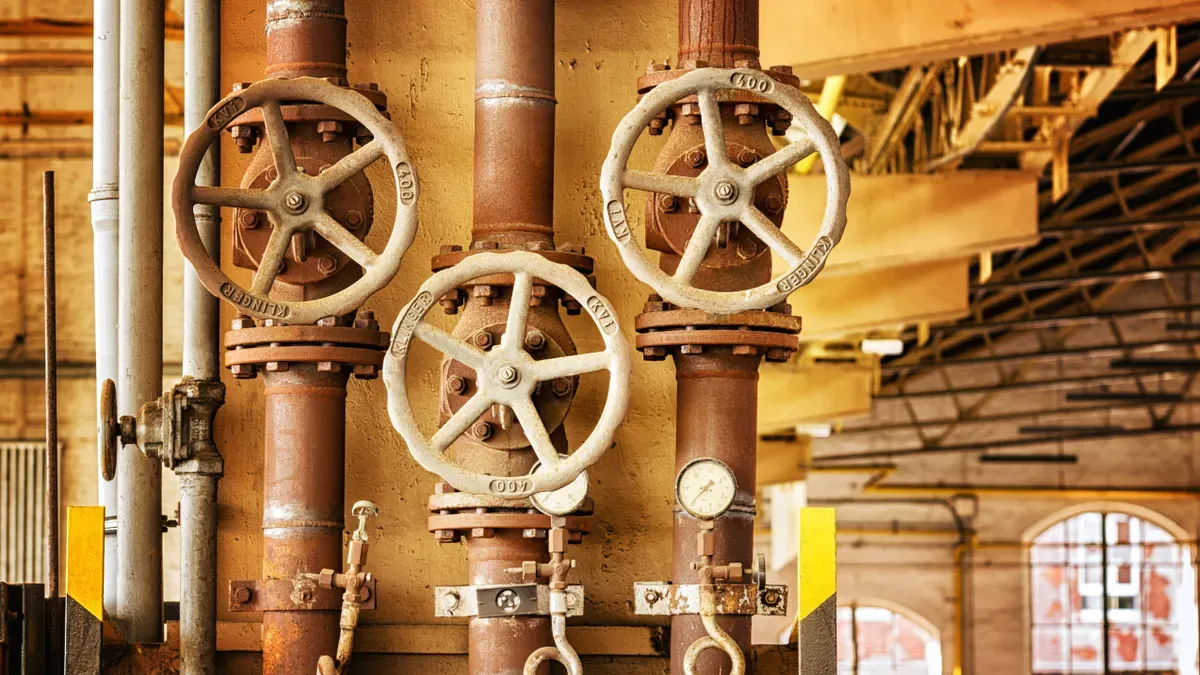
It is important to know how stainless steel 304 316 globe valves are different. Each type has special benefits for globe valves. Here is what makes them unique:
-
316 stainless steel globe valves resist rust better. They work well in places with saltwater or chemicals. Molybdenum in 316 stainless steel helps stop pitting and crevice corrosion.
-
304 stainless steel globe valves are good for normal places. They cost less because they do not have molybdenum.
-
316 stainless steel globe valves last longer in tough spots. People call them "marine-grade" since they do well with saltwater and chemicals.
-
304 stainless steel globe valves are strong for everyday jobs. You can use them where conditions are not very hard.
Tip: 316 stainless steel globe valves are best for tough places. If you want to compare how they resist rust, check what is in your facility.
LIANGGU VALVE sells both stainless steel 304 316 globe valves. You can count on their quality and many choices. Their globe valves meet world standards and work well in many industries.
Typical Industrial Uses
Stainless steel 304 316 globe valves are used in many industries. Each type fits different needs. The table below shows where each kind is used:
|
Industry |
Preferred Valve Material |
|---|---|
|
Chemical Processing |
304 |
|
Oil & Gas |
304 |
|
Pharmaceuticals |
304 |
|
Food & Beverage |
304 |
|
Power Generation |
304 |
|
Marine |
316 |
|
Chemical |
316 |
Pick stainless steel 304 316 globe valves based on your workplace. For example, marine and chemical industries use 316 stainless steel globe valves for strong rust resistance. Food and beverage, oil and gas, and power generation industries choose 304 stainless steel globe valves to save money and get good performance.
LIANGGU VALVE has globe valves for all these industries. You can find the right product for your needs, whether you want rust resistance or a cheaper option.
304 Stainless Steel Globe Valves
Chemical Composition and Properties
Many people pick 304 stainless steel for globe valves. This material has iron, chromium, and nickel. It does not have molybdenum, which makes it different from 316. 304 stainless steel can stop rust in most places. It is also strong and tough.
Here is a table that shows how strong and hard 304 and 316 stainless steel are:
|
Mechanical properties |
304 stainless steel |
316 stainless steel |
|---|---|---|
|
Ultimate Tensile Strength |
73,200 psi |
79,800 psi |
|
Tensile Yield Strength |
31,200 psi |
34,800 psi |
|
Hardness (Rockwell B) |
70 |
80 |
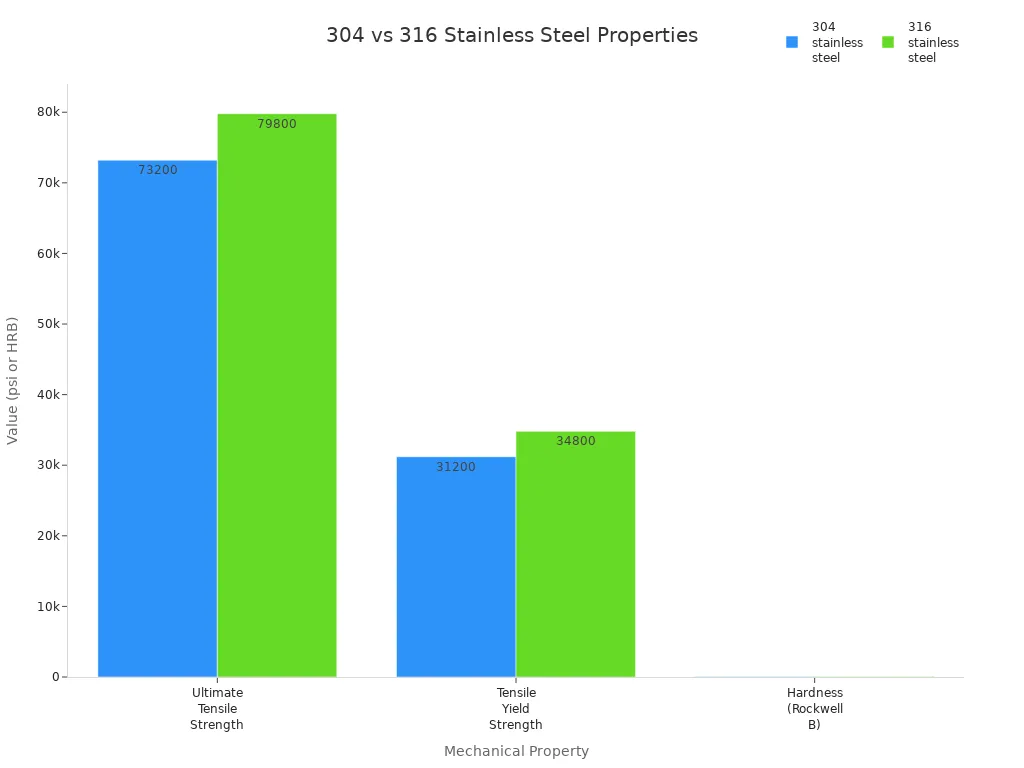
304 stainless steel is not as strong or hard as 316. But it still works well for most jobs. It gives you a good mix of strength and price.
Where 304 Stainless Steel Excels
Pick 304 stainless steel globe valves if you want good quality for less money. These valves are best for places that are not too harsh. You can use them in food plants, water pipes, and HVAC systems. They also work in car factories and some chemical plants.
Here is a table that shows where 304 stainless steel globe valves work best:
|
Industry |
Reason for Suitability |
|---|---|
|
Food and Beverage |
Needs rust resistance and hygiene |
|
Pharmaceuticals |
Needs precise flow control and durability |
|
Chemical Processing |
Needs high performance in tough applications |
304 stainless steel costs less because it does not have molybdenum. It also works well in normal places. LIANGGU VALVE has many 304 stainless steel globe valves. You can pick from different sizes, pressures, and ways to connect. These valves meet world standards and work in many jobs. If you need a valve for daily use, 304 stainless steel is a good pick.
316 Stainless Steel Globe Valves
Enhanced Corrosion Resistance
If you want your globe valves to last a long time, 316 stainless steel is a good choice. This metal helps stop rust and damage from happening. It works even when there is saltwater or strong chemicals around. The reason is what is inside the metal. Check the table below to see why 316 stainless steel is special:
|
Alloying Element |
Percentage Range |
Contribution to Corrosion Resistance |
|---|---|---|
|
Chromium |
16% to 18% |
Makes a thin layer that keeps out rust and stops oxidation. |
|
Molybdenum |
2% to 3% |
Helps keep away pitting and crevice corrosion when there is chloride. |
|
Nickel |
10% to 14% |
Makes the metal tough and helps it bend without breaking. |
Molybdenum is very important. It helps keep away pitting and crevice corrosion. You need this if your valves touch saltwater or strong chemicals.
Here is what you get with 316 stainless steel globe valves: You get better rust and pitting protection than with 304 stainless steel. You can use these valves in saltwater, acid, or chemical places. These globe valves work well in marine and other hard jobs.
Best Applications for 316 Stainless Steel
Pick 316 stainless steel globe valves for the hardest jobs. These valves are best when other metals do not work. You see them on ships, in chemical plants, and where strong cleaners are used. You also find them in water plants that use harsh chemicals.
LIANGGU VALVE sells 316 stainless steel globe valves for these tough jobs. You can trust these valves with high pressure, high heat, and dangerous stuff. They meet world rules and help you feel safe. If you need globe valves that last in the hardest places, 316 stainless steel is the best pick.
Mechanical Strength and Durability
Performance Under Pressure and Temperature
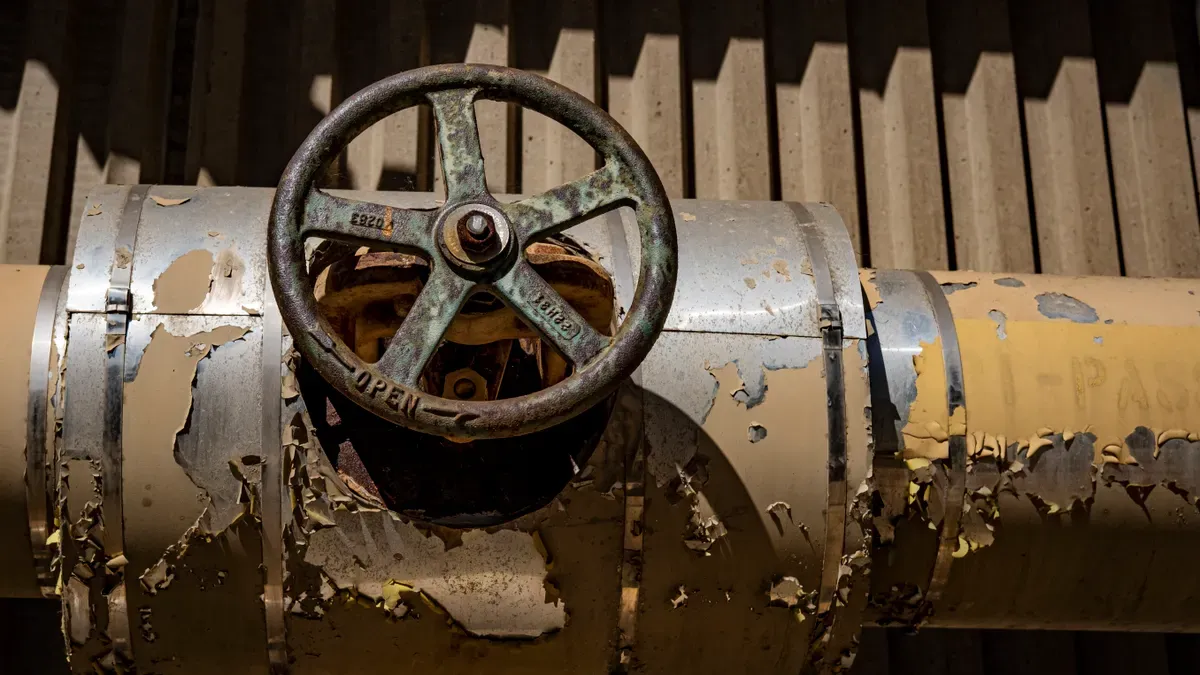
You need strong valves for tough jobs. Both 304 and 316 stainless steel globe valves give you high strength. They work well in places with high or low temperatures. You can use them in cold or hot environments without worry. Look at the table below to see the temperature range for each type:
|
Valve Material |
Min Temperature (°C/°F) |
Max Temperature (°C/°F) |
|---|---|---|
|
316 Stainless Steel |
-196°C (-320°F) |
538°C (1000°F) |
|
304 Stainless Steel |
-196°C (-320°F) |
538°C (1000°F) |
You can trust these valves in power plants, chemical factories, and marine jobs. Both types handle pressure changes and temperature swings. They do not crack or break easily. You get steady performance even when the system heats up or cools down fast.
-
304 and 316 stainless steel stay tough at very low temperatures.
-
These materials bend without breaking.
-
You can use them where pressure and temperature go up and down often.
Longevity in Industrial Use
You want your valves to last a long time. 304 and 316 stainless steel both give you good service life. The right choice depends on where you use them. See the table below for help:
|
Stainless Steel Type |
Corrosion Resistance |
Suitable Environments |
|---|---|---|
|
304 |
Moderate |
General applications |
|
316 |
High |
Chemical and marine |
If you work in a normal place, 304 stainless steel lasts many years. If you work near saltwater or chemicals, 316 stainless steel lasts longer. You spend less time on repairs and get more value from your globe valves. Pick the right type for your job, and you will see strong performance and long life.
Cost and Value Analysis
Price Differences
You may notice cost differences when you compare 304 and 316 stainless steel globe valves. The price depends on what goes into the metal and how people make it. Here are some reasons why prices change:
-
The cost of stainless steel changes with the price of nickel, chromium, and molybdenum.
-
316 stainless steel has more nickel and adds molybdenum. This makes it more expensive than 304.
-
Global market trends can make prices go up or down for both types.
-
The way factories make and finish the valves also affects the final price.
If you want to save money, 304 stainless steel globe valves usually cost less. You get a good valve for a lower price in most regular jobs. If you need extra protection from rust or chemicals, you pay more for 316 stainless steel. This is the main cost comparison between the two types.
Long-Term Value
You should think about more than just the first price. The total value over time matters too. Here is what you need to know:
-
In normal places, 304 stainless steel gives you the best value. You pay less at first and get good service.
-
In tough spots, like chemical plants or near the ocean, 316 stainless steel lasts longer. You spend less on repairs and replacements.
-
316 stainless steel helps stop leaks and shutdowns in harsh jobs. This saves you money in the long run.
-
Maintenance for globe valves can cost more because you need special tools and skilled workers.
-
Both 304 and 316 globe valves have higher fluid resistance. This means they use more energy than some other valve types.
When you look at cost differences, remember to check how long the valve will last and how much you will spend on care. For many jobs, 304 stainless steel is the smart choice. For harsh places, 316 stainless steel gives you better value over time.
Choosing the Right Globe Valve for Your Application
Matching Valve Material to Industry Needs
You need to pick the right valve material for your job. First, check what goes through your pipes. Think about how hot or cold it gets. Also, think about how strong the fluid is. Some fluids can damage metal. Others can handle heat or cold without problems. You want your globe valves to last and work well.
Here is a table to help you choose:
|
Criteria |
Description |
|---|---|
|
Fluid Characteristics |
Look at temperature, pressure, corrosiveness, and abrasiveness of the fluid. |
|
Material Options |
Stainless steel, carbon steel, bronze, and cast iron are common choices. |
You also need to know the rules for your industry. Food and medicine factories must use safe and clean materials. The table below shows some rules you might need to follow:
|
Standard/Regulation |
Description |
|---|---|
|
FDA (21 CFR § 177.2600) |
Materials must not leach harmful substances; 304 and 316 allowed |
|
NSF/ANSI Standard 51 |
Focuses on corrosion resistance and cleanability |
|
3-A Sanitary Standards |
Sets rules for sanitary design and surface finish |
316 stainless steel is best when you need extra rust and chemical protection. It also helps you follow strict hygiene rules. For normal jobs, 304 stainless steel works well and costs less.
Note: Picking the right globe valve material stops leaks and rust. It keeps your system safe and working longer.
Real-World Scenarios
You can learn from real-life examples. Many industries use globe valves in different ways. Here are some cases:
-
Marine jobs need valves that fight saltwater. 316 stainless steel works best because it stops rust and lasts longer.
-
Chemical plants use strong cleaners and acids. 316 stainless steel handles these fluids without breaking down.
-
Mining projects face tough conditions. You need valves that stand up to dirt, pressure, and changing temperatures. Both 304 and 316 stainless steel can work, but 316 lasts longer in harsh spots.
Here is a table that shows where you might use each type:
|
Stainless Steel Grade |
Application |
|---|---|
|
304 |
Kitchen equipment, architectural panels, chemical containers, food processing |
|
316 |
Marine environments, boat fittings, chemical processing, heat exchangers, water treatment |
"The 316 Series stainless steel control valve gives great erosion resistance to seawater and other strong liquids. This makes it perfect for marine jobs. It has molybdenum, which helps it fight chemical attacks better than 304."
You see that 316 stainless steel is the top pick for marine and chemical jobs. It costs more, but it lasts longer and needs less fixing. 304 stainless steel is good for indoor jobs and places with less risk of rust.
If you are not sure which valve is right, you can ask LIANGGU VALVE for help. They make special valves for marine, mining, and chemical jobs. You get valves that fit your needs and follow all the rules.
Tip: Always tell the valve supplier about your working conditions. Share details about the fluid, temperature, and pressure. This helps you get the best globe valve for your project.
You should choose stainless steel 304 globe valves for general jobs in mild environments. Pick 316 stainless steel globe valves for harsh or corrosive places. Before you decide, review your needs:
-
Select the right material for your fluid and temperature.
-
Check the valve size and pressure rating.
-
Decide on manual or automatic operation.
-
Make sure the valve fits your system.
-
Stainless steel 304 saves money for easy jobs.
-
Stainless steel 316 gives better protection in tough spots.
Use the API 623 standard to learn more about valve design and materials. For expert help or a quote, contact LIANGGU VALVE. You can get the best advice and product information for your project.
FAQ
What is the main difference between 304 and 316 stainless steel globe valves?
The biggest difference is how they handle rust. 316 stainless steel has molybdenum inside. This helps it stop rust and pitting better. 304 stainless steel is good for normal places. It also costs less money.
How do I choose the right globe valve for my project?
First, look at your fluid, temperature, and pressure. Pick 304 stainless steel if your job is not too hard. Choose 316 stainless steel if your job is tough or has lots of chemicals. You can ask LIANGGU VALVE for help if you are not sure.
Can I use 304 stainless steel globe valves in marine applications?
You should not use 304 stainless steel globe valves in the ocean. Saltwater can make them rust and break. 316 stainless steel is needed for strong protection in these places.
Does LIANGGU VALVE offer custom globe valve solutions?
|
Service |
Available |
|---|---|
|
Custom sizes |
✅ |
|
Special materials |
✅ |
|
Unique connections |
✅ |
You can ask LIANGGU VALVE for special globe valves. They can make valves that fit your job and what you need.
