

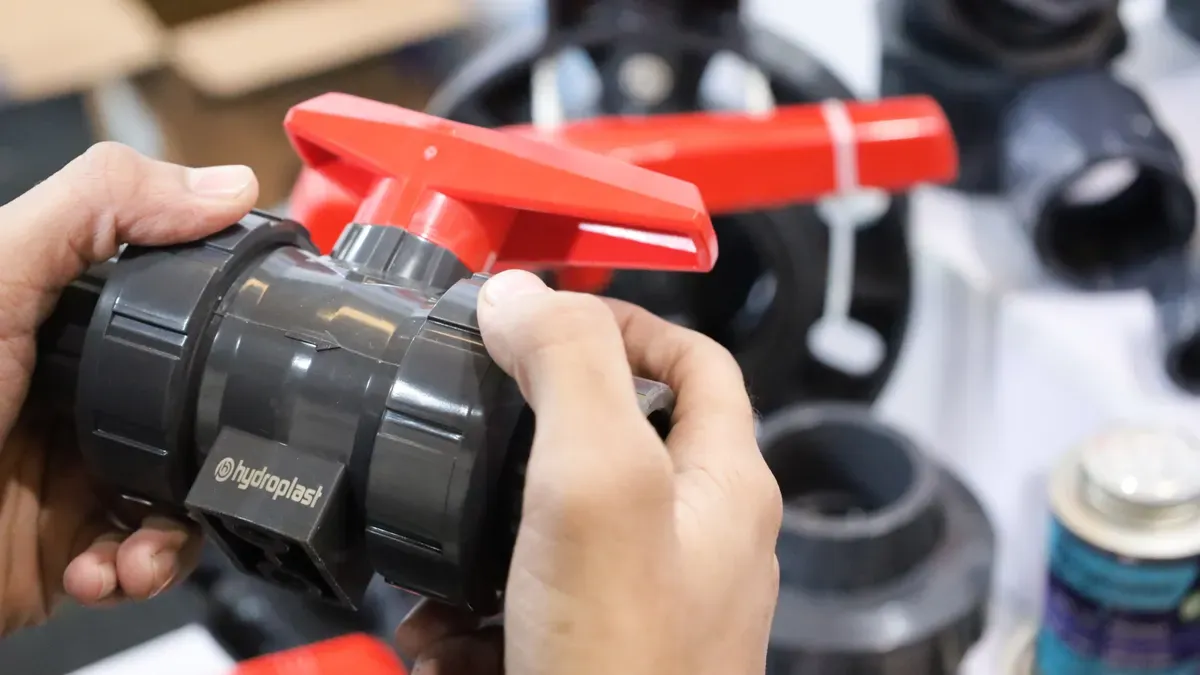
You use a forged steel globe valve socket weld for exact control and shut-off in pipes. This valve is made from forged steel, so it is very strong and lasts a long time. Its socket weld ends make tight, leak-free joints. This makes the valve good for high-pressure steam, hydraulic systems, and dangerous fluids. You get safe and dependable use, especially in small pipes where keeping the system safe is very important.
Key Takeaways
-
Forged steel globe valves are very strong and do not leak. They work well in high-pressure systems. Socket weld ends make tight joints. This lowers the chance of leaks. It also makes small pipes safer. You should check for leaks and clean the valve often. This helps the valve last longer and work well. Pick the right valve by thinking about the fluid, pressure, and temperature. This helps match the valve to your system. Forged steel valves are stronger than cast steel valves. They last longer and are better for tough jobs.
Forged Steel Globe Valve Socket Weld Design
Forged Steel Construction
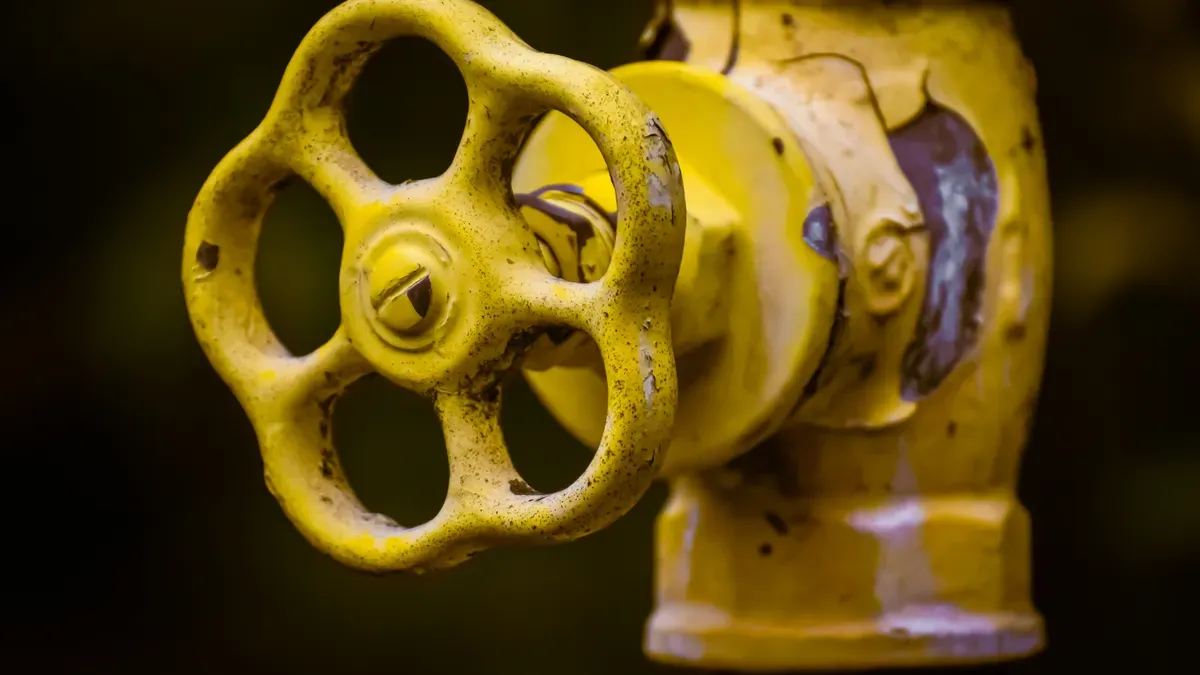
A forged steel globe valve socket weld is strong and lasts long. To make one, you pick steel that follows safety rules. The steel must be reliable. You heat the steel billets until they are soft. The temperature is very high, between 1,050°C and 1,250°C. Then, you shape the valve body by pressing it in a mold. This makes the valve even stronger. After shaping, machines cut threads and smooth the surfaces. Heat treatment is used to make the valve harder or softer as needed. Each valve is checked with special tests that do not harm it. These tests make sure the valve is safe and works well. At the end, the valve is put together and coated to stop rust.
Forging steel makes the inside of the valve even and solid. This helps the valve handle stress and last longer. Forged steel valves are stronger than cast steel valves. Cast valves can have tiny holes or weak spots. The table below shows how forged steel valves perform better:
|
Performance metrics |
Forged steel valves |
Cast steel valves |
Gap |
|---|---|---|---|
|
Tensile Strength (MPa) |
750~1200 |
400~600 |
↑ 40%-100% |
|
Impact toughness (J/cm²) |
80~150 (25℃) |
30~60 (25℃) |
↑ 150% |
|
Fatigue strength limit |
≥450 MPa (10⁷ cycles) |
≤ 220 MPa (10⁷ cycles) |
2x longer life |
|
High temperature creep performance |
620°C still maintains strength |
It begins to soften significantly at 480°C |
Temperature difference ↑ 140°C |
Forged steel globe valve socket welds are chosen for their strong build. They last longer and work better when under pressure.
Globe Valve Mechanism
A forged steel globe valve socket weld helps you control flow very well. The globe valve has a round body and a moving disk. You move the disk up or down to open or close the valve. The disk presses against a ring seat to stop leaks. This keeps your system safe.
By raising or lowering the plug, you change how much fluid can pass. This lets you set the flow rate just right. You need this for jobs where flow must be exact. The forged steel globe valve is made to control flow well. You can adjust the disk to get the flow you want. This is important for keeping your pipeline working safely.
Socket Weld End Features
Socket weld ends are picked for strong, tight connections. The forged steel globe valve socket weld uses tough steel for extra strength. The ends are shaped to fit tightly and stop leaks. This gives the valve high strength and lets it handle high pressure.
Socket weld fittings help line up pipes without extra welding. They leak less than threaded fittings. The design keeps weld metal out of the pipe’s inside. Socket weld ends are easier to install than butt weld fittings. This saves time and money.
Socket weld ends are used in small pipes. They can take high pressure and heat. You get good flow and steady performance. These connections are strong and do not leak. They keep pipelines safe, even when things get tough. This lowers the chance of leaks or danger.
Tip: Always check the pressure rating of your forged steel globe valve socket weld. Socket weld ends usually follow rules like ASME B16.11 and can handle pressure classes like 3000 or 6000. This helps make sure your valve fits your system.
Forged steel globe valve socket weld ends are trusted for their strength and safety in high-pressure places.
Benefits and Industrial Applications
Performance Advantages
When you pick a forged steel globe valve , you get many good things. This valve lets you control how much fluid moves. You can change the globe disk to set the flow rate. The body is strong and has two seals. This helps the valve last longer. You do not have to worry about leaks, even when pressure is high. The pressure seal bonnet and spiral wound gasket keep the joint tight. The valve is made with care, so it works well every time.
Here is a table that shows the main performance advantages:
|
Performance Advantage |
Description |
|---|---|
|
Precise Flow Control |
You can adjust the flow rate with accuracy. |
|
Reliability in Harsh Conditions |
The valve works well in tough environments. |
|
Long Service Life |
The valve lasts longer and needs less maintenance. |
The valve seals well in high-pressure systems. It uses a pressure seal bonnet and a leak-proof joint. The spiral wound gasket gives extra safety. You can trust this valve to keep your system safe.
Note: Check and clean your globe valve often. This helps it work well for high-pressure and high-temperature jobs.
Common Uses in Industry
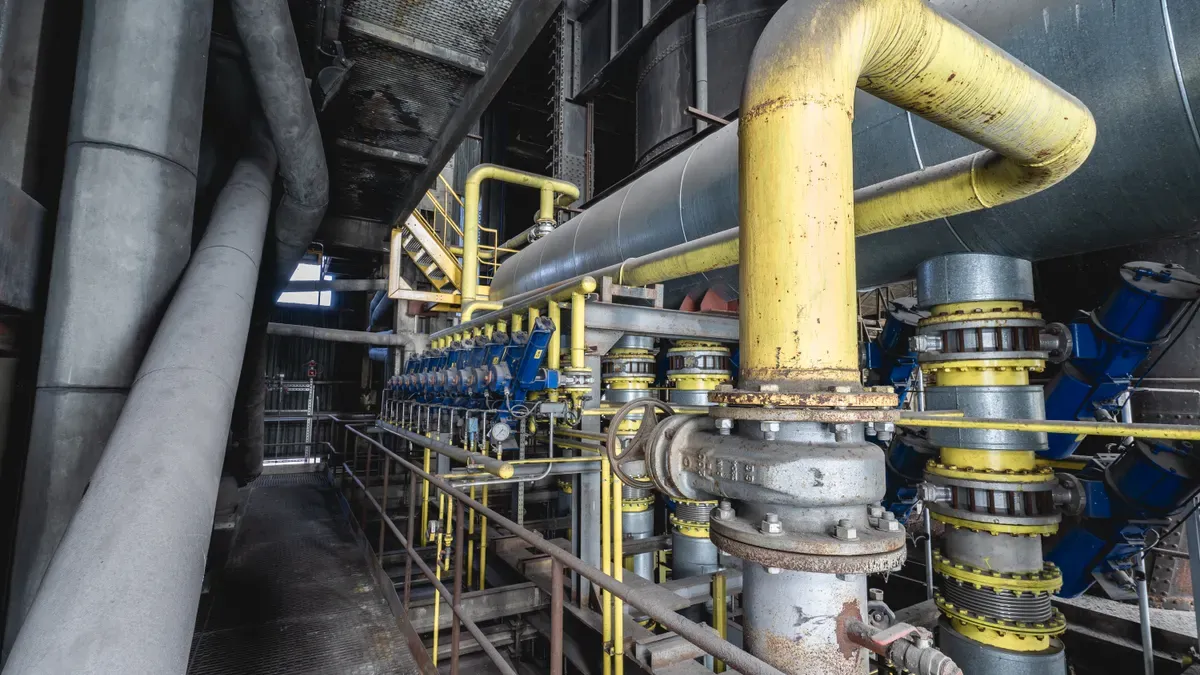
Forged steel globe valves are used in many industries. They are popular in oil and gas, petrochemical, and chemical plants. These places need strong valves for high pressure and dangerous fluids. The globe design lets you control flow and shut off lines.
Here are some common uses:
-
Flow regulation for crude oil and natural gas
-
Complete shut-off in high-pressure pipelines
-
Control of steam and hot water in power plants
-
Handling of chemicals in processing plants
The table below shows where you might use this valve:
|
Industry |
Specific Applications |
|---|---|
|
Oil and Gas |
Flow regulation for crude oil and gas |
|
Petrochemical |
Process control and safety shut-off |
|
Chemical Plants |
Handling of corrosive or toxic fluids |
|
Power Generation |
Steam and water flow control |
You can depend on the forged steel globe valve for safety and strong performance. The valve handles stress and keeps your system working well.
Socket Weld vs Other End Connections
Socket Weld vs Threaded
When you choose a valve for your system, you need to think about the type of connection. Socket weld and threaded ends are common options. Each one has its own strengths and weaknesses.
Socket weld ends give you a strong and leak-tight connection. You need a skilled welder for the installation. The process takes more time because you must align the valve and pipe carefully. You also need to allow for a small gap before welding. This makes the installation more complex, but you get a reliable result.
Threaded ends let you install the valve quickly. You do not need welding skills or special tools. You can remove and reuse the valve easily. This type of connection works well for temporary systems or when you need to take the valve out often. However, threaded connections can loosen over time. They are more likely to leak, especially in high-pressure systems.
Here is a table to help you compare the two:
|
Installation Type |
Complexity |
Reliability |
|---|---|---|
|
Socket Weld Ends |
Needs skilled welding and careful alignment |
Strong, leak-tight connection |
|
Threaded Ends |
Quick and easy, no welding needed |
Can loosen and leak over time |
Tip: Use socket weld ends when you want a permanent, high-strength connection. Choose threaded ends for easy installation and removal.
Socket Weld vs Butt Weld
You also need to compare socket weld and butt weld connections. Both types help you join a valve to a pipe, but they work best in different situations.
Butt weld connections give you the highest strength. You get a smooth flow path and a seamless joint. This type of installation works best for large pipes and high-pressure systems. Butt welds resist stress and corrosion better than socket welds. You can use them for very thick pipes and in places with high temperatures.
Socket weld connections are easier to install on small pipes. You do not need to bevel the pipe ends. The valve fits into the pipe socket, and you weld around the outside. This makes the installation faster for small sizes. However, socket welds do not handle high pressure or temperature as well as butt welds. They can also trap fluid in the joint, which may cause corrosion.
Here is a table that shows the main differences:
|
Type of Weld |
Strength |
Suitability for High Pressure |
Notes |
|---|---|---|---|
|
Socket Weld |
Lower |
Not ideal |
May trap fluid and cause corrosion |
|
Butt Weld |
Superior |
Ideal |
Smooth flow, best for high stress |
Note: Pick socket weld connections for small-diameter pipes and moderate pressure. Use butt welds for large pipes, high pressure, and when you need the strongest valve connection.
You should always match the valve connection to your system’s needs. Socket welds give you a good balance of strength and easy installation for small pipes. Butt welds give you the best performance for tough jobs.
Materials, Ratings, and Selection
Common Materials
You should know what makes a forged steel globe valve strong. Most valves use carbon steel. Carbon steel works well in many places. Stainless steel is another option. It is tough and does not rust easily. Alloy steel is good for high heat jobs. The table below shows the main materials:
|
Material Type |
Description |
|---|---|
|
Carbon Steel |
Commonly used for forged steel valves |
|
Stainless Steel |
Alternative material for durability |
The material you pick changes how long your valve lasts. Carbon steel is good for most factories. Alloy steel can handle heat. Stainless steel stops rust. You need to check where the material comes from. This makes sure your valve meets the rules. Good materials come from careful picking and making.
Pressure Ratings
Pressure ratings tell you how much force a valve can take. You need a valve with a rating higher than your system’s pressure. This keeps everything safe. API 602 forged steel globe valves work in hard jobs. These jobs are in oil, gas, or chemical plants. These valves face high pressure and heat. Always look at the pressure rating before you put in a valve.
There are rules for how valves are made and tested. The table below lists some of these rules:
|
Category |
Applicable Standards |
|---|---|
|
Design |
API 602, API 623, ASME B16.34 |
|
Inspection & Testing |
API 598 |
|
Marking |
MSS SP-25 |
|
Fugitive Emission |
API 624, ISO 15848, TA Luft |
Socket weld ends follow ASME B16.11. You need to check these rules to make sure your valve fits.
Selection Tips
You must pick a valve that matches your system. Look at how the valve controls flow. The flow coefficient (Cv) tells you how much fluid moves. You should check this for your job. Pick suppliers who know what they are doing. Check if they have certificates and good reviews. Ask for stories about how the valve works in real jobs.
Tip: Take care of your valve often. Check for leaks and damage. Good care saves money and makes the valve last longer. Buy good parts and install them the right way.
Think about how much care your valve will need. This depends on the material and pressure rating. Plan for care so you do not have problems. Check how long it takes to get your valve. This helps you avoid waiting. Always follow the rules to stay safe.
You can count on forged steel globe valves with socket weld ends to work well and last a long time.
-
Forging presses metal hard, so the valve is strong and dependable.
-
Materials like carbon steel, stainless steel, and alloy steel are used for different jobs.
-
The welded design keeps leaks away and handles high pressure and heat.
-
Before picking a valve, check the fluid, pressure, temperature, and space you have.
-
Always look at how to care for the valve and what spare parts you might need to keep your system safe.
FAQ
What is the main purpose of a forged steel globe valve with socket weld ends?
This valve helps you control flow and shut off pipes. It works well when pressure is high. Many industries use it because it is reliable. The design lets you handle tough jobs and keeps your system safe.
Where do you usually install these valves?
You see these valves in oil and gas, chemical plants, and power plants. They work well in pipes that move steam, water, or chemicals. People use them when they need exact flow control and safe shut-off.
How do socket weld ends improve valve performance?
Socket weld ends make a tight, leak-free joint. They work better when pressure is high. The welds make the joint strong. These ends are used for small pipes and hard jobs. This design helps stop leaks and keeps things running well.
What should you check before choosing this valve for your system?
You need to check the pressure, temperature, and fluid type. Make sure the valve’s rating fits your needs. You should also look at the size and how it connects. Good planning helps you get safe and long-lasting use.
How do you maintain a forged steel globe valve for best performance?
You should check the valve often. Clean it to get rid of dirt. Look for leaks or damage in your system. Taking care of the valve helps it work well. Good maintenance keeps things safe and makes the valve last longer.
