

You use a trunnion ball valve when you need strong control. It works well for liquids or gases in big factories. This valve has a special support at the bottom. The support helps it handle high pressure easily. It also works with large pipes. Other ball valves can move when flow is strong. A trunnion ball valve stays steady even then. You often see these valves in oil pipelines. They are also in gas pipelines, power plants, and chemical factories. LIANGGU VALVE gives you new ideas and solutions. They make sure you get reliable performance every time.
Key Takeaways
-
Trunnion ball valves give strong control for liquids and gases. This makes them great for high-pressure systems. The fixed ball design lets you use them easily with little force. They work well even in hard situations. These valves are made to last a long time. They use tough materials that can handle very hot or cold temperatures and high pressure. Trunnion ball valves are used a lot in oil, gas, and power plants. People trust them because they are safe and work well. If you take care of them often, they will last longer. This helps the trunnion ball valve work well for many years.
What Is a Trunnion Ball Valve?
Simple Definition
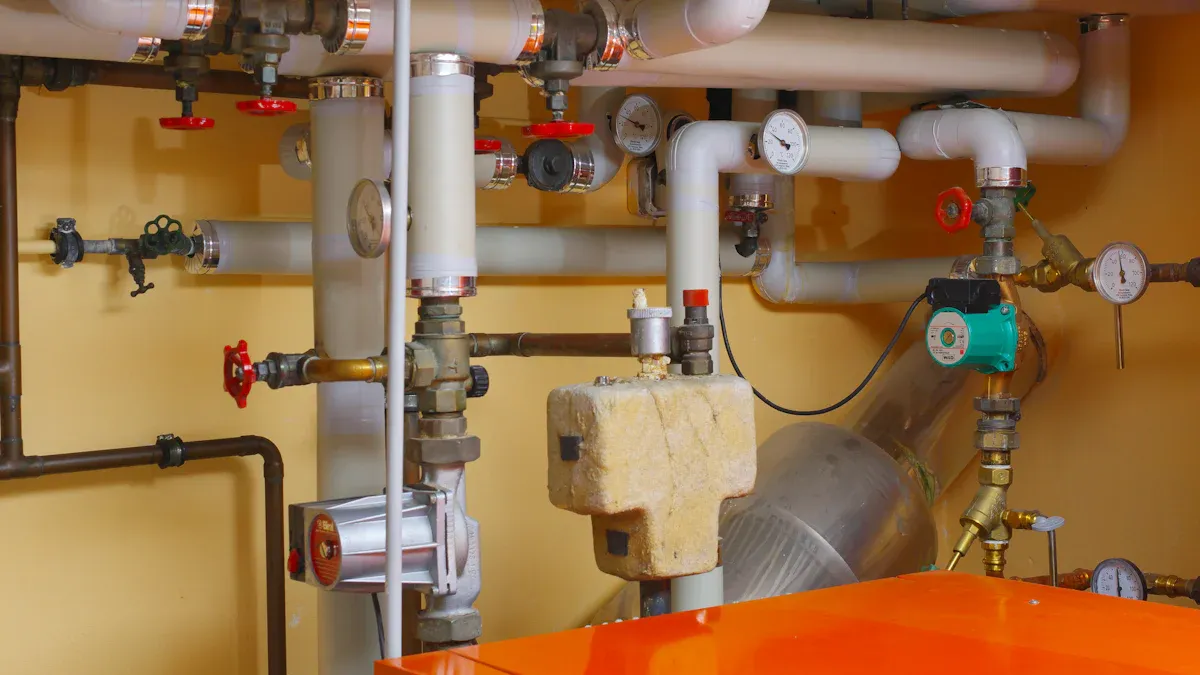
A trunnion ball valve helps you control the flow of liquids or gases in a pipe. You will find a ball inside the valve. This ball has holes through it. When you turn the handle, the ball rotates and either lets the fluid pass or blocks it. What makes a trunnion ball valve special is the way the ball stays in place. The ball does not float. Instead, it sits on supports at the top and bottom, called trunnions. These supports keep the ball steady, even when the pressure is high or the pipe is very large. Because of this design, you do not need to use much force to open or close the valve, even in tough conditions.
LIANGGU VALVE is a trusted name in the world of ball valves. The company designs and makes many types, including trunnion ball valves, for different industries around the world.
Key Parts and Structure
You can understand a trunnion ball valve better by looking at its main parts. Each part has a job to do. The table below shows how these parts compare to those in a floating ball valve:
|
Component |
Trunnion Ball Valve |
Floating Ball Valve |
|---|---|---|
|
Ball Support |
Fixed by upper and lower trunnions |
Supported only by the stem |
|
Sealing Mechanism |
Spring-loaded seats provide sealing |
Relies on line pressure for sealing |
|
Size Range |
Available from 2" up to 60"+ (DN50–DN1500) |
Typically smaller sizes |
|
Pressure Classes |
Up to Class 2500 (ANSI) or PN 420 (DIN) |
Generally lower pressure ratings |
|
Operating Torque |
Lower due to trunnions absorbing thrust |
Higher due to full load on the stem |
The main parts of a trunnion ball valve include:
-
The body, which holds everything together and protects the inside.
-
The ball, which turns to open or close the flow.
-
The trunnion, which supports the ball at both ends.
-
The seats, which press against the ball to make a tight seal.
-
The stem, which connects the handle or actuator to the ball.
-
The packing, which keeps leaks from escaping around the stem.
You will see these valves made from strong materials. Some common choices are stainless steel, carbon steel, Inconel, Monel, and Hastelloy. The seats and packing often use materials like PTFE, RPTFE, or graphite. These materials help the valve work well in hot, cold, or harsh environments.
-
Body/Closures: F304L, A105, A182 F304, F316, F51, F316L, F53, A350 LF2, LF3, Inconel, Monel, Hastelloy, A351 CF3, A351 CF8, A216 WCB, A351 CF3M, A351 CF8M, A890 4A/5A, A352 LCC/LCB
-
Ball: CS+ENP, F304L, F316, A182 F304, F316L, F51, CS+TCC, CS+Ni60, F53
-
Seat Retainer: A182 F304, CS+ENP, F304L, F316, F51, F53, F316L, CS+Ni55, CS+TCC
-
Stem: A182 F51, A182 F6a, A182 F316, 17-4PH
-
Packing: RPTFE, Graphite, PTFE
You can use a trunnion ball valve in places with high pressure or extreme temperatures. The chart below shows how different materials handle pressure as the temperature changes:
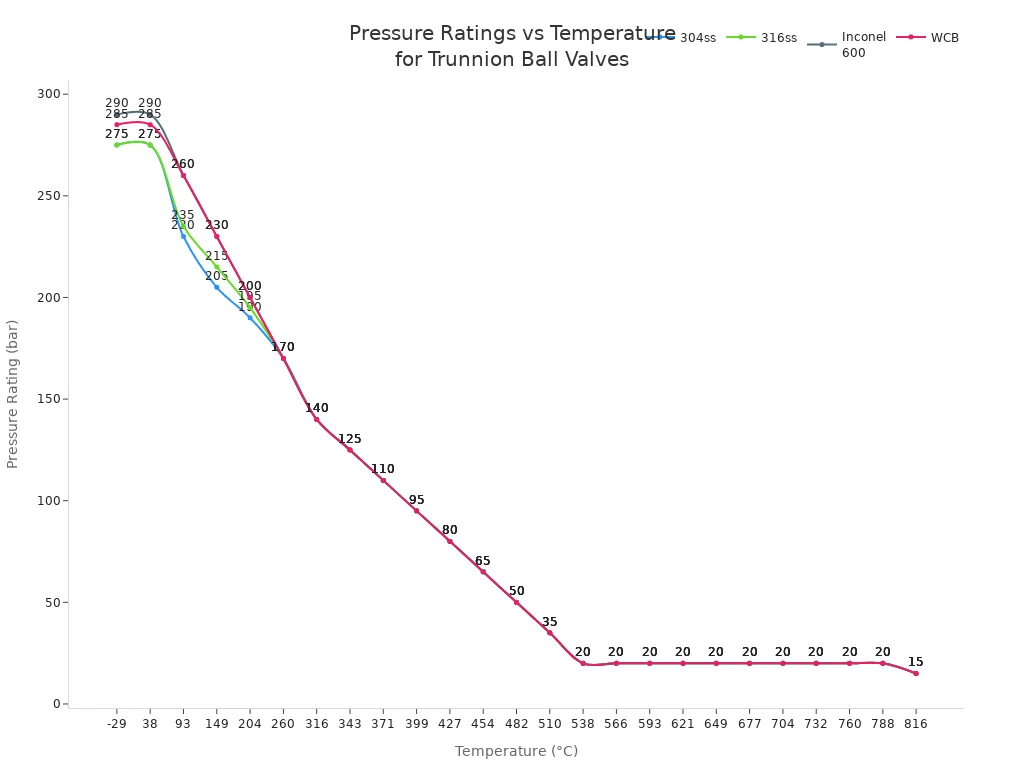
This strong design and wide choice of materials make the trunnion ball valve a top pick for many industries. You get a valve that is safe, easy to use, and built to last.
How Trunnion Ball Valves Work
Operation Steps
You can operate a trunnion ball valve with ease. The process starts when you turn the handle or use an actuator. This action rotates the ball inside the valve. When the hole in the ball lines up with the pipe, fluid flows through. If you turn the handle again, the ball blocks the flow. The operation feels smooth because the trunnion holds the ball steady. You do not need much force, even if the pressure is high.
The operation of a trunnion ball valve is different from a floating ball valve. In a floating ball valve, the ball moves slightly with the pressure of the fluid. This movement helps the ball press against the seat to make a seal. In a trunnion ball valve, the ball stays fixed in place. The trunnion anchors the ball, so it does not move downstream. This design gives you better control and stability, especially when you deal with high pressure.
Trunnion Support Mechanism
The trunnion support mechanism is the key to the valve’s strong performance. The trunnion secures the ball at both the top and bottom. These supports fit into bearings inside the valve body. This setup creates a stable axis for the ball to rotate. The ball stays aligned with the seats during every operation. You get a reliable seal, even if the pressure changes quickly.
-
The trunnion support anchors the ball at both ends, so it does not shift under pressure.
-
This design spreads the force evenly, which reduces wear on the seats and the ball.
-
The fixed alignment means you get smooth operation and a tight seal every time.
-
The trunnion absorbs extra pressure from the flow, so you need less force to turn the valve.
-
This design follows strict standards, like API 6D, to ensure safety and reliability.
You can expect a long service life from a trunnion ball valve. With regular maintenance, such as cleaning and lubrication, these valves can last for decades in tough environments.
Trunnion Mounted Ball Valves vs. Floating Ball Valves
Main Differences
You may ask how trunnion mounted ball valves are different from floating ball valves. The biggest differences are in how each valve seals and deals with pressure. In a floating ball valve, the ball moves a little. Line pressure pushes the ball against the seat to make a seal. This works well for low or medium pressure. But it can cause high torque and wear on the seat when pressure goes up.
Trunnion mounted ball valves have a ball that does not move. Spring-loaded seats push toward the ball to make a tight seal, even at low pressure. The ball stays steady because the trunnion holds it in place. This design keeps torque low and reduces seat wear. You get good sealing for high pressure and big pipes.
Here is a simple comparison:
|
Feature |
Floating Ball Valve |
Trunnion Mounted Ball Valves |
|---|---|---|
|
Ball Movement |
Ball floats and moves with line pressure |
Ball fixed by trunnion shafts |
|
Sealing Mechanism |
Upstream pressure pushes ball to seat |
Spring-loaded seats move toward ball |
|
Operating Torque |
Higher at high pressure |
Lower and stable |
|
Pressure Range |
Low to moderate |
High pressure and large sizes |
|
Seat Wear |
Can be high |
Reduced |
Tip: Use trunnion mounted ball valves when you need strong sealing and easy operation in tough places.
Why Trunnion Design Matters
The trunnion design gives you many good things. You get steady torque, which is important for high pressure and big valves. The ball stays still, so you need less force to turn the valve. Spring-loaded seats give you a tight seal, even when pressure changes. This design keeps shut-off tight and stops too much seat wear. You can use trunnion ball valves in hard jobs, like oil and gas pipelines or power plants.
Here are some main advantages:
-
Trunnion mounted ball valves handle high loads without much seat wear.
-
You get low torque, so the valve is easier to use.
-
The design lets you use bigger pipes without losing performance.
-
Good sealing under high pressure keeps your system safe.
|
Performance Benefit |
Description |
|---|---|
|
Low Operational Torque |
Trunnion design lowers friction, so you need less force to turn the valve. |
|
High Pressure and Temperature Capabilities |
Trunnion mounted ball valves handle thrust from line pressure well, so they work in tough conditions. |
|
Durability and Reliability |
Fixed ball design cuts down on wear, so the valve lasts longer and works well. |
|
Double Block and Bleed Capability |
Lets you do maintenance without shutting down the system, making work easier. |
You can count on trunnion mounted ball valves to work well in hard places. The trunnion keeps the ball steady, so you get smooth use and long-lasting performance.
Applications and Advantages with LIANGGU VALVE
Where Trunnion Ball Valves Are Used
Trunnion ball valves are used in many big industries. These valves are best when you need strong control and safety. You see them a lot in oil and gas pipelines. They help move crude oil and natural gas far away. In the petrochemical industry, these valves handle chemicals that can be dangerous or cause rust. Power plants use them to control steam and other hot liquids. Mining and metallurgy companies pick these valves because they can handle hard particles and lots of wear. You also find them in sewage plants and garbage burning systems. Chemical and drug factories use them to control liquids and gases very carefully. Marine engineering and ships use these valves for seawater and high-pressure jobs.
LIANGGU VALVE gave all main ball valves to the Zhangzhou nuclear power plant Unit 1 & 2. This shows people trust these valves for big projects.
Benefits of LIANGGU VALVE Ball Valves
If you pick a valve from LIANGGU VALVE, you get many good things. The design works well for high pressure and tough jobs. The trunnion keeps the ball steady, so you do not need much force to turn it. This means you can use it for big pipes and strong flows. The valve makes a tight seal both ways, so your system stays safe.
Here are some main benefits:
-
You can choose from many sizes and materials for your needs.
-
The valves work in very hot or very cold places.
-
You can pick manual, electric, or air-powered ways to use them.
-
LIANGGU VALVE can make special valves for your project.
-
The valves last a long time and do not need much fixing.
|
Feature |
What It Means for You |
|---|---|
|
Strong sealing |
No leaks, even under high pressure |
|
Low operating torque |
Easy to open and close |
|
Wide size range |
Fits small and large pipelines |
|
Customization options |
Matches your project requirements |
|
Reliable performance |
Works well for many years |
You can count on LIANGGU VALVE to give you safe, good, and long-lasting valves for your work.
Visualizing a Trunnion Ball Valve
Main Components Overview
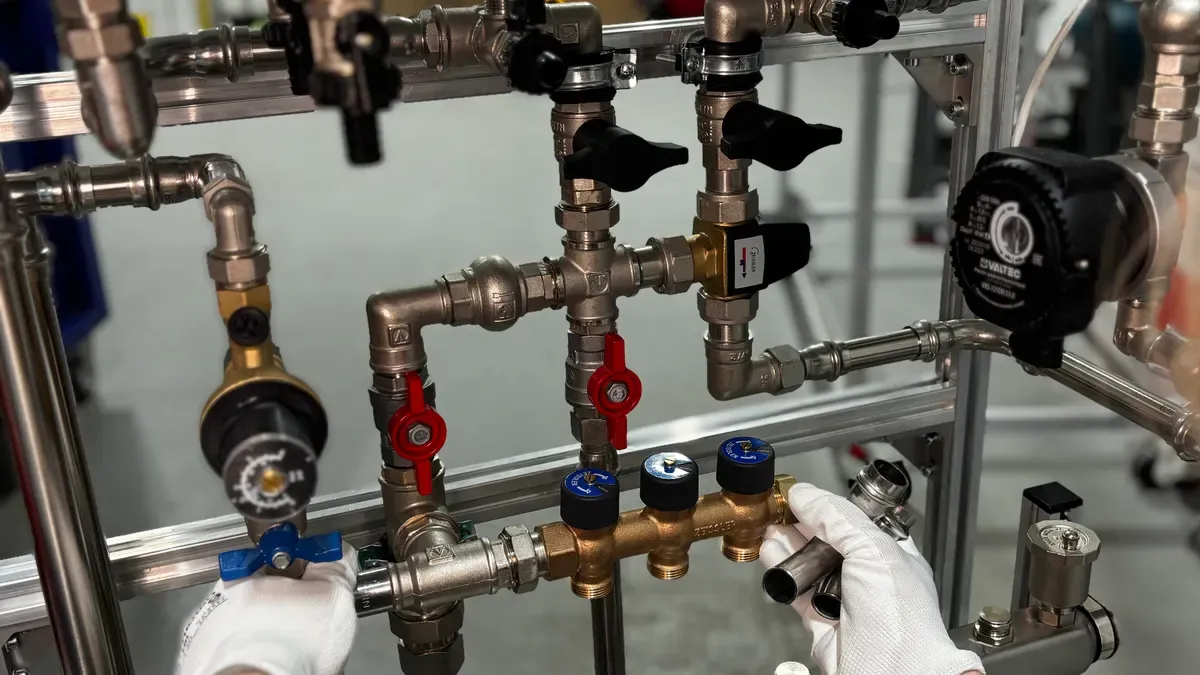
You can picture a trunnion ball valve as a strong and simple device. The main parts work together to control flow and keep everything safe. The body holds all the pieces in place. The ball sits in the center, supported by trunnions at the top and bottom. These trunnions anchor the ball, so it does not move sideways or up and down. The seats press against the ball to make a tight seal. The stem connects to the upper trunnion and lets you turn the ball. Packing surrounds the stem to stop leaks. Each part has a clear job. The internal structure uses trunnion supports to hold the ball steady. This setup helps the valve seal well and control flow efficiently. Pressure pushes the seat against the ball, creating a seal on the upstream side. You get bi-directional sealing and lower torque, which makes operation easier.
|
Component |
Function |
|---|---|
|
Body |
Holds all parts together |
|
Ball |
Opens or blocks flow |
|
Trunnions |
Anchor the ball at both ends |
|
Seats |
Seal against the ball |
|
Stem |
Turns the ball |
|
Packing |
Prevents leaks around the stem |
You can rely on this design for strong performance in many conditions.
How the Valve Moves
You control the valve by turning the handle or using an actuator. The movement path is simple:
-
The ball has a central hole that lines up with the flow path when the valve is open.
-
The ball rotates to block the flow path when the valve is closed.
-
The trunnion design manages pressure loads and keeps the ball steady.
The trunnion mechanism anchors the ball with upper and lower trunnions. This prevents the ball from moving in any direction except rotation. The ball stays aligned with the seats, which is important for sealing. The trunnions transfer pressure loads into the valve body, so the sealing surfaces do not get stressed. The stem connects to the upper trunnion and rotates the ball smoothly. You get easy operation and less wear. The ball remains centered, so the valve works well even under high pressure.
You can see how each movement keeps the system safe and efficient.
You have learned that a trunnion ball valve uses a fixed ball. This design gives strong control and keeps things safe. The table below shows the main features you should know:
|
Feature |
Description |
|---|---|
|
Design |
Fixed ball with top and bottom trunnion supports |
|
Sealing |
Multiple seats for high-pressure sealing |
|
Torque |
Easy to operate, even under pressure |
|
Applications |
Best for large, high-pressure pipelines |
LIANGGU VALVE follows important standards like API 6D and ISO 15848-1. You can count on their valves for good quality and new ideas. For more information, go to LIANGGU VALVE’s website.
FAQ
What is the main job of a trunnion ball valve?
You use a trunnion ball valve to start or stop the flow of liquids or gases in a pipe. The valve gives you strong control, even when pressure is high.
How do I know if I need a trunnion ball valve?
You need a trunnion ball valve when you work with large pipes or high-pressure systems. These valves make opening and closing easy and safe.
Can I use a trunnion ball valve for both hot and cold fluids?
Yes! You can use trunnion ball valves for hot or cold fluids. The strong materials and smart design help the valve work well in many temperatures.
How long does a trunnion ball valve last?
With regular care, you can expect a trunnion ball valve to last many years. The sturdy design and quality parts from LIANGGU VALVE help the valve stay reliable.
