

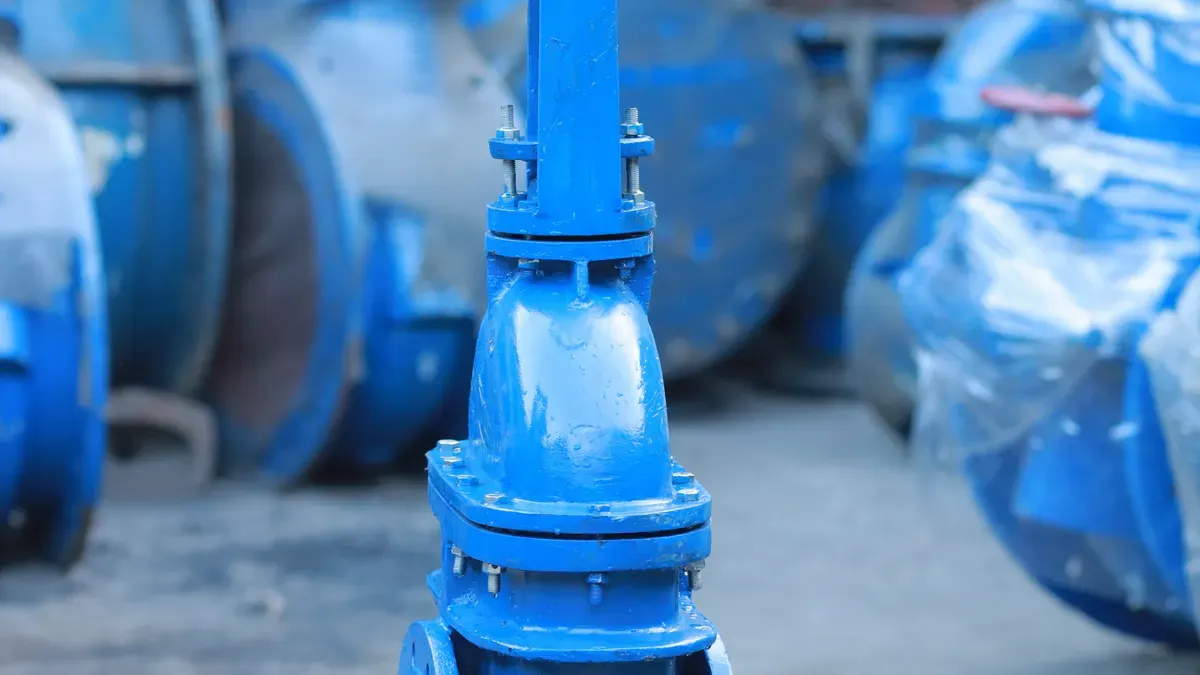
A forged metal seated ball valve helps control liquids or gases. It uses a solid metal ball and seats to do this. This valve is used in places that need strong shut-off. It works well when there is high pressure or heat. The design makes the valve tough and long-lasting. So, it can handle hard jobs in rough places. LIANGGU VALVE gives good forged metal seated ball valves to many industries.
The table below shows why these valves matter in different industries and how big the market is:
|
Sector |
Market Size (2024) |
Estimated Size (2035) |
CAGR (%) |
|---|---|---|---|
|
Oil and Gas |
N/A |
N/A |
N/A |
|
Water and Wastewater |
N/A |
N/A |
N/A |
|
Power Generation |
N/A |
N/A |
N/A |
|
Chemical and Petrochemical |
N/A |
N/A |
N/A |
|
Food and Beverage |
N/A |
N/A |
N/A |
|
Overall Ball Valves Market Size |
USD 12.60 Billion |
USD 19.18 Billion |
3.89% |
Key Takeaways
-
Forged metal seated ball valves are very strong and last long. They work well in places with high pressure and heat. These valves have a tough design with metal-to-metal sealing. This helps stop leaks even when things get hard. LIANGGU VALVE has many choices for you. You can pick the best valve for your needs and your industry. Checking the valve’s surface often can stop leaks. This also helps the valve work its best and keeps your system safe. Picking the right materials for the seat and ball is very important. This makes the valve last longer and work well in rough places.
Forged Metal Seated Ball Valve Overview
Construction and Materials
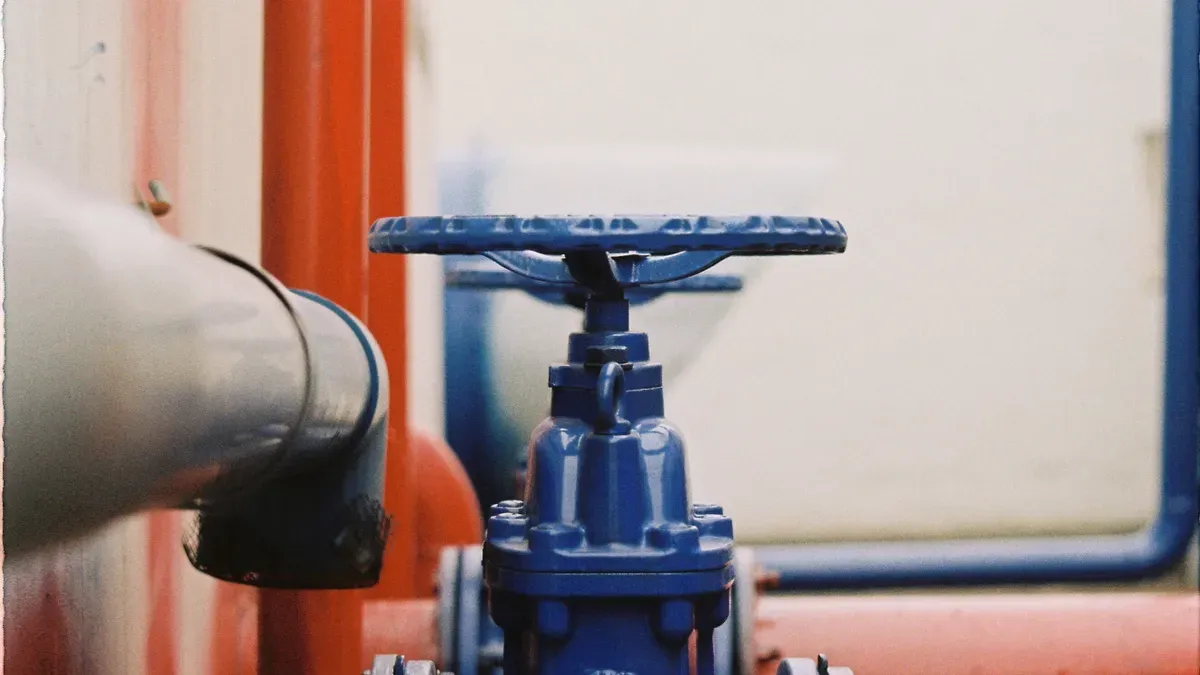
A forged metal seated ball valve is very strong and reliable. It has three main parts: the valve body, the ball, and the seats. To make these parts, manufacturers heat steel and press it into shape. This forging process makes the steel very dense and tough. The valve does not crack easily and can handle high pressure.
Forged steel is better than cast steel in many ways. When steel is forged, the grain lines up and makes the valve stronger. This helps the valve stand up to shaking and stress. People use forged ball valves in places where safety is very important.
The materials used in the valve are also important. Here is a table that shows some common materials and what they are used for:
|
Material Type |
Properties |
Applications |
|---|---|---|
|
Forged A105 Carbon Steel |
High mechanical strength, ductility, thermal stability, eliminates internal porosity |
High pressure and thermal cycling |
|
Stellite Overlay |
Exceptional wear resistance, corrosion resistance, high-temperature stability |
Steam applications, prevents galling |
|
Metal Hard Seal |
Ensures leak-tight performance at high temperatures and pressures |
High-temperature, high-pressure applications |
You can find forged metal seated ball valves in power plants, oil and gas fields, and chemical factories. The design lets the valve work in hot places or with strong chemicals. The metal seats and ball stop leaks, even when it gets very hot or the pressure goes up.
Key Features of LIANGGU VALVE Ball Valves
If you pick a valve from LIANGGU VALVE, you get more than just a simple product. You get a valve made for hard jobs. These are some features that make these valves special:
-
Fully welded construction keeps leaks away and adds strength.
-
Strong sealing systems help the valve work well under pressure.
-
Good materials make the valve last longer, even in tough places.
-
The welded design gives extra support for hard work.
-
You can choose from many sizes and pressure ratings.
-
The valves do not rust or break easily, so you fix them less.
LIANGGU VALVE meets many important industry rules. Here is a table that lists some of the certifications:
|
Certification/Standard |
Description |
|---|---|
|
API 6D |
Pipeline valves standard |
|
API 607 |
Fire test for valves |
|
API 598 |
Valve inspection and testing |
|
SIL Certified |
Safety Integrity Level certification |
|
ISO 15848 |
Emission testing for valves |
|
PED |
Pressure Equipment Directive |
|
HPiVS |
High-Performance Valve Standard |
|
TS Certification |
Turkish Standards certification |
|
ISO 9001 |
Quality management system |
|
ISO 14001 |
Environmental management system |
|
ISO 45001 |
Occupational health and safety management |
|
ASME B16.34 |
Valves for piping applications |
|
GB/T 12224 |
Chinese national standard for valves |
|
EN 12516 |
European standard for valve design |
|
DIN 3352 |
German standard for valves |
You can trust LIANGGU VALVE to work well every time. The company uses advanced forging and welding to make their valves. These methods help the valve handle high heat and pressure. The ball and seat design stops leaks and makes the valve easy to use. You get a valve that works in many industries and keeps your system safe.
How a Metal Seated Ball Valve Works
Operating Mechanism
You use a metal seated ball valve by turning it a quarter turn. When you move the handle or actuator, the ball inside spins ninety degrees. This opens or closes the path for fluid to move. The ball has a hole in the middle. If the hole matches the pipe, fluid can go through. If you turn the ball so the hole does not match, the flow stops.
The main parts work together to do this job. The stem links the actuator to the ball. The actuator can be turned by hand, or powered by air or electricity. The metal seats push against the ball to stop flow when the valve is closed. You can see what each part does in the table below:
|
Component |
Function |
|---|---|
|
Rotating Ball |
Has a smooth hole that lines up with the flow for open or closed. |
|
Metal Seats |
Make a seal that blocks flow when the ball is closed. |
|
Stem |
Moves force from the actuator to the ball for turning. |
|
Actuator |
Can be hand, air, or electric, and helps turn the valve. |
You need to use force, called torque, to turn the valve. Breakaway torque is the most force needed to start moving the ball from closed. Running torque is about half as much and keeps the ball turning. Re-seat torque is about three-quarters of breakaway torque and closes the valve again. The amount of torque depends on seat materials, what flows in the pipe, and how often you use the valve.
-
Breakaway torque starts the valve from closed.
-
Running torque keeps the valve turning.
-
Re-seat torque closes the valve after opening.
-
Seat materials, what flows in the line, and how much you use the valve change the torque.
A forged metal seated ball valve is good for places where you need strong control and fast shut-off. The quarter-turn design makes it quick and simple to use.
Sealing and Performance
A metal seated ball valve seals well because it uses metal-to-metal contact. The ball and seats have smooth, flat faces. When you close the valve, these faces press together tightly. This makes a barrier that stops leaks. The surface finish is important. If the faces are rough or dirty, leaks can happen. Flat and clean faces help the valve seal, even when pressure is high.
-
The metal-to-metal seal uses tight contact and a little bending.
-
The surface must be smooth so fluid cannot leak out.
-
How smooth, flat, and clean the faces are matters for sealing.
A metal-seated ball valve works well in hot and high-pressure places. The forged metal seated ball valve does not wear out or rust easily. You do not have to worry about leaks or breaks when pressure or heat goes up. The valve keeps sealing, even in tough spots.
You might have some problems when putting the valve in. Friction between the ball and seat can make torque go up and cause wear. Heat can make parts get bigger or smaller, which can change how they fit. You need to pick the right materials and surface treatments to stop wear and rust.
-
Friction can make torque higher and cause wear.
-
Heat can change how parts fit together.
-
Stopping wear and rust is important for sealing.
LIANGGU VALVE uses special forging and surface treatments. You get valves that seal well and last a long time. The company checks every valve to make sure it works in hot and high-pressure places. You can count on LIANGGU VALVE for new ideas and good quality.
Tip: Always check that the faces are smooth and clean before you put the valve in. This helps the valve seal well and keeps your system safe.
Advantages of Forged Metal Seated Ball Valves
Durability and Reliability
You want a valve that works well for a long time. A forged metal seated ball valve gives you this. The forging process makes the metal very strong. This strength helps the valve not crack or break, even in tough jobs. The metal seats and ball last a long time. You can trust the valve to keep a tight seal, even when pressure or heat is high.
Durability is why people pick a metal seated ball valve for hard work. The valve can handle strong chemicals, steam, and rough materials. You do not need to worry about leaks or sudden breaks. The ball and seats stay in good shape and keep sealing for years. This means your system has less downtime and needs fewer repairs.
Tip: If you need a valve for tough jobs, always check the seat and ball materials. Picking the right ones will give you the best durability.
Application Scenarios
You see forged metal seated ball valves in many industries. These valves work well where things are hard and safety is important. Here is a table that shows where you might use them:
|
Industry |
Description |
|---|---|
|
Oil and Gas |
Valves handle high pressure and temperature, controlling flow safely. |
|
Chemical Processing |
Resists corrosion, suitable for harsh chemicals like acids and bases. |
|
Water Treatment |
Controls water flow, built to last in wet conditions. |
|
Power Plants |
Used to control steam and water flow under high pressure. |
|
Manufacturing and Heavy Industry |
Helps control material flow, ensuring smooth operations. |
You can also choose different valve types for special needs. For example, if you work with high heat, you might use a type with both upstream and downstream metal seats. This setup handles hot flows and gives extra durability. If you need to deal with rough materials, a standard metal seat with polymeric seals works well.
|
Configuration |
Description |
Suitable Conditions |
|---|---|---|
|
Type A |
Standard metal seat with polymeric seals |
Significant wear from abrasives, not for high temperature |
|
Type B |
Downstream metal seat with graphite seals |
Improved temperature range, suitable for high temperatures |
|
Type C |
Both upstream and downstream metal seats |
Tolerates high temperature process flows |
You find these valves in oil and gas fields, chemical plants, water systems, and power stations. The ball design and strong metal seats make them great for tough jobs. When you need something strong and reliable, you can count on a forged metal seated ball valve from LIANGGU VALVE.
Metal vs. Soft Seated Ball Valves
Material and Performance Comparison
You need to know the differences between a metal seated ball valve and a soft seated ball valve before you choose one. The main difference comes from the materials used for the seat and the ball. You can see the comparison in the table below:
|
Parameter |
Soft Seat (Resilient) |
Metal Seat (Severe Service) |
|---|---|---|
|
Materials |
PTFE, RPTFE, PEEK, Nylon, Devlon |
Stellite, Tungsten Carbide, Chrome Carbide, 316 SS |
|
Sealing Type |
Bubble-tight (Class VI) |
Tight shutoff (Class V or IV) |
|
Temperature Limit |
Up to 450°F |
Up to and above 1,500°F |
|
Durability |
Moderate |
High |
|
Maintenance |
More frequent |
Less frequent |
|
Lifespan |
Shorter |
Longer |
A soft seated valve uses materials like PTFE or Nylon. These give you bubble-tight sealing and work well for clean water or gas. A metal seated ball valve uses hard metals like Stellite or Tungsten Carbide. This type handles high temperatures, high pressure, and tough chemicals. You get better durability and less maintenance. If you need a valve for severe service, you should pick a metal seated ball valve.
You also need to think about how each valve handles flow. A soft seat works best for clean, low-pressure flow. A metal seat works better for high-velocity flow, abrasive flow, or when you have to deal with steam or chemicals. This gives you more versatility in harsh environments.
Selection Guide for Industrial Use
You want to pick the right valve for your job. Here are some steps to help you:
-
Check your process conditions. Know the size, pressure, and temperature of your flow.
-
Figure out what kind of fluid will move through the valve. This helps you choose the right seat and ball material.
-
Decide what you need the valve to do. Will it just open and close, or will it control the flow? Do you need a 2-way or 3-way valve?
If your system needs to handle high temperature, high pressure, or dirty flow, you should choose a metal seated ball valve. This type gives you the versatility to work in power plants, chemical factories, and oil fields. You get a valve that lasts longer and needs less fixing. If you need a valve for clean water or simple flow, a soft seated valve gives you good versatility and a tight seal.
LIANGGU VALVE offers both types, so you can find the best fit for your project. You get versatility, strong performance, and reliable flow control with every valve.
Tip: Always match the valve type to your flow conditions. This helps you get the best performance and the longest life from your system.
Now you know a forged metal seated ball valve is strong and lasts long. You can use it for hard jobs where safety is important. LIANGGU VALVE makes good valves using advanced forging and careful checks. Their hard work shows in these awards:
-
They got third prize in the 2025 Zhejiang Machinery Industry Science and Technology Award.
-
They passed the 2025 Specialized, Refined and Innovative "Little Giant" certification.
-
Four new products were named "Zhejiang Provincial Industrial New Products."
Pick LIANGGU VALVE for your next project. You will get good quality, new ideas, and results you can trust.
FAQ
What is the main benefit of a forged metal seated ball valve?
You get high strength and long life. The forging process makes the valve tough. It works well in high-pressure and high-temperature jobs.
How do you choose the right ball valve for your system?
You should check your flow type, pressure, temperature, and media. Pick the seat and body material that matches your needs. Ask LIANGGU VALVE for help if you are not sure.
Can you use a forged metal seated ball valve for steam?
Yes, you can. The metal seats and forged body handle steam well. They resist heat and wear. You get safe and reliable flow control.
How often do you need to maintain these valves?
You do not need to maintain them often. The strong metal seats last a long time. Check the valve sometimes for leaks or wear.
Where can you buy LIANGGU VALVE ball valves?
|
Option |
How to Buy |
|---|---|
|
Official Site |
|
|
Contact Sales |
Use the website form or call the hotline |
