

A soft sealed floating ball valve has a metal ball. It also has a soft seat made from PTFE or rubber. This valve is important for controlling fluids. It makes a tight seal. It works with many kinds of liquids and gases. Fluid control systems need to work well. LIANGGU VALVE is a trusted company. Their valves are easy to use. They seal well. They are used in many industries.
|
Feature |
Description |
|---|---|
|
Good sealing performance |
Elastic seat materials seal better when pressure goes up. |
|
Easy maintenance |
The simple design lets you change the seal ring easily. |
|
Easy operation |
You can open or close the valve with a 90° turn. |
Key Takeaways
-
Soft sealed floating ball valves make a strong seal. They help control liquids and gases. Many industries use them because they are important.
-
These valves are simple to use. You turn them 90 degrees to open or close. This lets you stop flow fast and control it well.
-
You should check for leaks and clean the valve often. Doing this helps your valve last longer. It also keeps it safe to use.
-
Picking the right materials and sizes is very important. This stops leaks and makes sure your valve fits your system.
-
LIANGGU VALVE has many choices. You can find the best valve for what you need easily.
Soft Sealed Floating Ball Valve Overview
Definition and Key Features
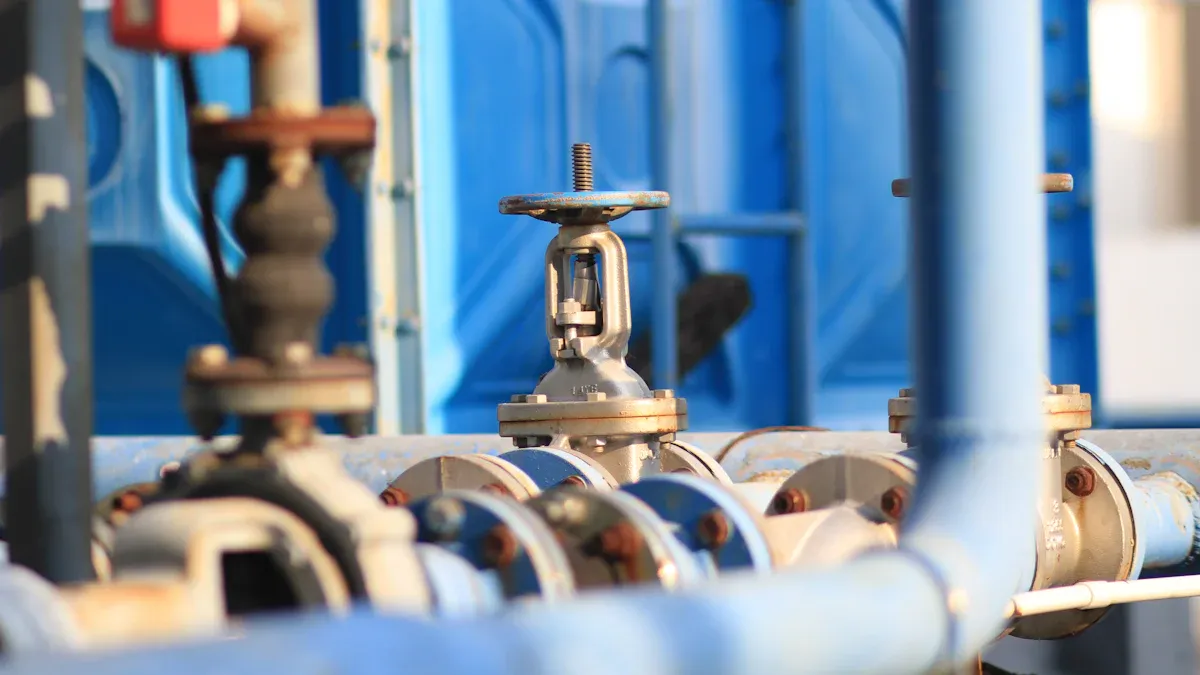
You can use a soft sealed floating ball valve to control the flow of liquids or gases. This valve has a floating ball that moves between two seats. The seats are made from soft materials like PTFE or rubber. The soft seat helps create a tight seal. You will find this valve in many industries because it works well and needs little maintenance.
LIANGGU VALVE designs soft sealed floating ball valves with a simple structure. You can install them in tight spaces. The valve works fast with a quarter-turn operation. You can shut off flow in both directions. The valve offers options for full port or reduced port designs. You can choose the right size and pressure class for your project.
Here is a table that shows the key features of a soft sealed floating ball valve:
|
Feature |
Description |
|---|---|
|
Self-Adjusting Sealing |
The valve uses fluid pressure to improve sealing performance. |
|
Compact Structure |
You can install it in small spaces because it has few moving parts. |
|
Low Maintenance Requirements |
The simple design means fewer parts to fix or replace. |
|
Fast Actuation |
You can open or close the valve quickly with a quarter-turn. |
|
Bi-directional Shutoff |
The valve seals flow in both directions. |
|
Full Port vs. Reduced Port |
You can pick a design for no flow restriction or for economical use. |
|
Standard Pressure Classes |
The valve comes in many pressure ratings for different needs. |
LIANGGU VALVE makes soft sealed floating ball valves that achieve bubble-tight shut-off. You can use them for hazardous fluids and high-purity gases. The valve prevents leaks and helps keep your system safe.
How It Works
You can operate a soft sealed floating ball valve in two main stages. First, you open the valve. You turn the handle or actuator by 90 degrees. The ball inside rotates and lines up with the pipeline. Fluid flows through the valve with little resistance. You get low pressure loss and smooth flow.
Second, you close the valve. You turn the handle or actuator back by 90 degrees. The ball blocks the flow path. Fluid cannot pass through. The pressure from the fluid pushes the ball against the downstream seat. The soft seat compresses and creates a tight seal. You get reliable shut-off every time.
The ball floats between the seats. It is not fixed in place. As pressure increases, the ball presses harder against the seat. This makes the seal even tighter. You can see this in animated diagrams where the ball moves between two seats. The soft sealed floating ball valve uses elastomeric seats to squeeze the ball and stop leaks.
You can use this valve for quick shutoff and automated control. The design works well in low-pressure applications. The load from the ball transfers to the outlet sealing ring. You need to make sure the seat material can handle the working load. LIANGGU VALVE offers many seat materials for different fluids and conditions.
You can keep your valve working longer with regular maintenance. Check for leaks, corrosion, or damage. Clean the seats and ball as needed. Inspect the stem seals and packing. Lubricate moving parts to prevent sticking. LIANGGU VALVE provides support and spare parts to help you maintain your valve.
Tip: You can extend the life of your soft sealed floating ball valve by following a simple maintenance schedule. Visual checks and cleaning help prevent leaks and keep your system safe.
Components & Sealing Mechanism
Main Parts of Floating Ball Valve
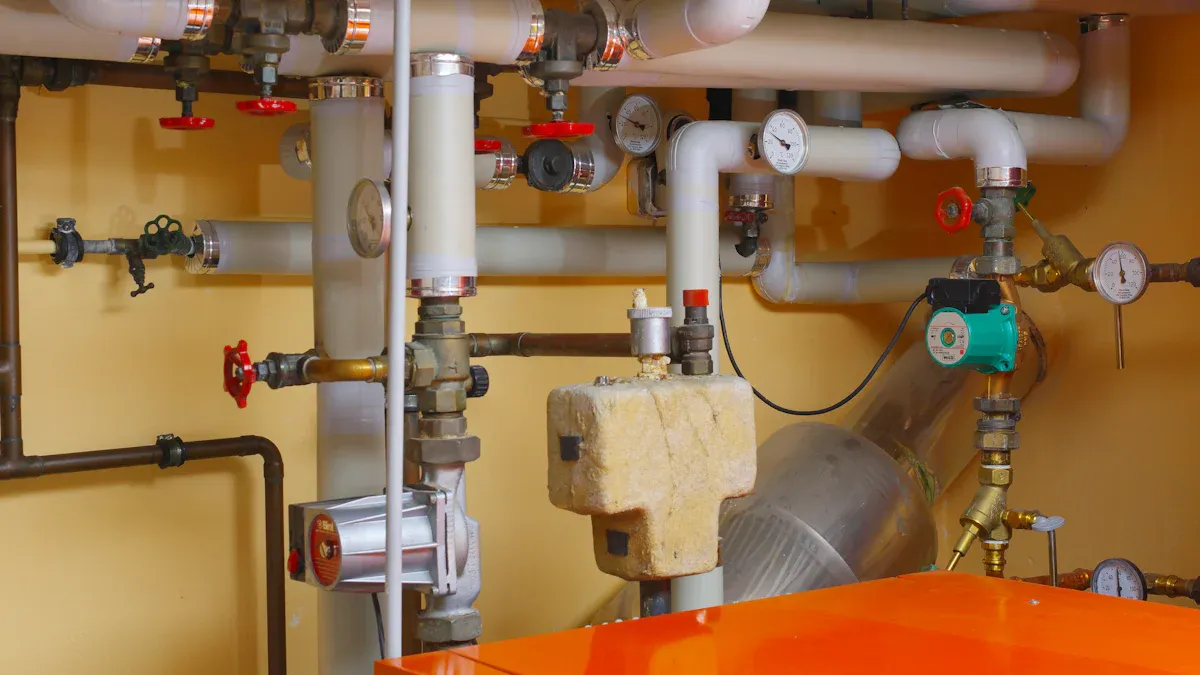
To know how a floating ball valve works, you should learn its main parts. Each part does something important. LIANGGU VALVE makes the valve body from strong metals like carbon steel or stainless steel. This helps the valve last longer and stay safe. The ball inside controls how fluid moves. It is often made from stainless steel or brass. The seats keep the ball in place and help seal both ways. The stem links the handle or actuator to the ball. Seals and packing stop leaks near the stem. You can use a handle or an actuator to open or close the valve.
Here is a table that lists the main parts and what they do:
|
Component |
Function |
|---|---|
|
Valve Body |
Main part of the valve, made from strong metals like carbon steel or stainless steel. |
|
Ball |
Controls the flow, usually made from tough metals like stainless steel or brass. |
|
Seats |
Give sealing surfaces for the ball, made from PTFE or strong elastomers. |
|
Stem |
Connects the actuator to the ball, moves the ball to open or close the valve. |
|
Seals and Packing |
Stop leaks near the stem, made from elastomers or PTFE-based materials. |
|
Actuator |
Opens and closes the valve, can be manual or automatic. |
Tip: You can pick different materials for each part if you need. LIANGGU VALVE has many choices for your project.
Soft Seal Materials and Function
The soft seal is key for sealing both ways. It sits between the ball and the valve body. When you close the valve, the soft seal pushes against the ball. This stops leaks in both directions. LIANGGU VALVE uses good materials for soft seals. PTFE is a common choice. It stands up to chemicals and works in many temperatures. Nylon is also used. It is strong and lasts long with some oils and hydrocarbons.
Here is a table that shows common soft seal materials and their good points:
|
Material |
Advantages |
|---|---|
|
PTFE (Polytetrafluoroethylene) |
Stands up to chemicals, low friction, works in many temperatures. |
|
Nylon |
Strong and wears well, good for some oils and hydrocarbons. |
The soft seat can change shape to fit pressure changes. This gives you good sealing both ways. The floating ball design helps the seal press tight against the ball. This keeps your system safe and stops leaks. LIANGGU VALVE can give you the right seal material for your fluid and temperature needs.
Pros & Cons of Ball Valves
Advantages of LIANGGU VALVE Ball Valves
Ball valves from LIANGGU VALVE work well in many places. They can handle high heat and pressure. These valves are safe because they have special safety parts. You do not need to fix them often. LIANGGU VALVE gas ball valves help you save energy. Smart controls and checks use less power. You spend less time fixing these valves. This means you can do other jobs.
Here is a table that shows the main advantages:
|
Advantage |
Description |
|---|---|
|
Strength |
Ball valves are strong and work well in tough conditions. |
|
Safety Features |
You get safe operation and less risk of problems. |
|
Energy Efficiency |
Gas ball valves save energy with smart controls. |
|
Reduced Maintenance |
You spend less time and money on repairs. |
Ball valves let you shut off flow quickly. You can open or close them fast with a quarter turn. Their small size lets you put them in tight spots. They seal tightly and keep your system safe. Ball valves work with water, gas, and oil. You can pick different sizes and materials for your job. LIANGGU VALVE makes ball valves that meet strict rules.
Tip: Make your ball valves last longer by cleaning and checking them often.
Limitations to Consider
There are some things to watch out for with ball valves. Polymer seats do not work well with very high heat or rough fluids. You must pick the right materials for your job. If your system has sand or rust, the soft seats can wear out faster. Cavitation can happen if pressure drops too fast. This can hurt the inside of the valve. You need to pick the right size and use anti-cavitation parts.
Here is a list of points to consider:
-
Temperature and pressure limits affect the choice of ball valves.
-
Seat wear increases in systems with abrasive media.
-
Cavitation and flashing risks can damage ball valves if not sized properly.
-
Particle sensitivity can cause sealing problems in ball valves with soft seats.
-
Thermal limits may lead to seat deformation if you exceed rated temperatures.
You can stop these problems by picking the right ball valve. LIANGGU VALVE helps you choose the best materials and designs. You get expert help for every project.
Applications of Floating Ball Valves
Industrial Uses
A floating ball valve is used in many industries. This valve helps control fluids very well. You can find it in fractionation towers. These towers need good flow control for distillation. The floating ball valve keeps the product pure and helps things work better. Crude oil units use this valve to move feedstock. The valve works in high-pressure places and stops leaks. Gas plants use floating ball valves to handle dangerous gases. The valve keeps gases inside and protects people and machines.
-
Fractionation towers need floating ball valves for good flow control.
-
Crude oil units use floating ball valves to stop leaks.
-
Gas plants use floating ball valves to keep gases safe.
Floating ball valves help you have less downtime. Your system can run longer. Automated systems use these valves for fast action. You do not need to check them by hand as much. LIANGGU VALVE has lots of experience in these jobs. You get strong valves that work for you.
Note: Floating ball valves save money by lowering maintenance and making your work more efficient.
Choosing the Right Valve
You must pick the right floating ball valve for your job. First, check your working conditions. Look at pressure, temperature, and what fluid you use. Make sure the valve size fits your pipeline. This stops pressure loss and saves money. Pick materials that work with your fluid and area. Choose the right ends for your pipeline. Decide if you want to open the valve by hand or with a machine. Make sure your floating ball valve meets rules like API or ISO.
|
Criteria |
Description |
|---|---|
|
Operating Conditions |
Match pressure, temperature, and fluid to the valve. |
|
Size Matching |
Ensure valve size fits pipeline and flow needs. |
|
Material Selection |
Pick materials that resist corrosion and handle your fluid. |
|
Connection Type |
Select ends that fit your pipeline design. |
|
Actuation Method |
Choose manual or automated operation. |
|
Compliance and Certification |
Make sure the valve meets industry standards. |
Here are steps to pick a floating ball valve:
-
Make sure the valve size fits your pipeline and flow.
-
Check the pressure rating to keep things safe.
-
Make sure the valve can handle your fluid’s heat.
-
Pick materials that do not get damaged by your fluid.
-
Think about where you will put the valve.
-
Look at how much care and money the valve will need.
LIANGGU VALVE has floating ball valves with many choices. You can change your valve to fit your job. Experts can help you pick the best one.
Tip: Always check what your system needs before you pick a floating ball valve. This helps you avoid trouble and keeps your work safe.
You now know that soft sealed floating ball valves seal very well. They are easy to use and work with many chemicals. Here are the main good points:
|
Benefit |
Description |
|---|---|
|
Superior Sealing Performance |
Stops leaks, even with dangerous fluids or pure gases. |
|
Low Operating Torque |
Needs less force to turn, so it is easier and saves energy. |
|
Broad Chemical Compatibility |
Handles acids, solvents, and harsh chemicals for many uses. |
|
Compact and Lightweight Design |
Takes up less space, so it is easy to put in and fix. |
|
Full Port and Reduced Port Options |
Lets you pick less pressure drop or lighter weight for your job. |
You can use LIANGGU VALVE ball valves with oil, gas, water, and chemicals. These valves come in many sizes and can handle different pressures. They work in very hot or cold places. Many companies use LIANGGU VALVE in power, ships, and gas jobs. If you need help picking a valve, you can ask LIANGGU VALVE for advice or questions.
FAQ
What is a soft sealed floating ball valve?
You use a soft sealed floating ball valve to control fluid flow. The valve has a floating ball and soft seat. This design gives you a tight seal and easy operation.
How do you operate a soft sealed floating ball valve?
You turn the handle by 90 degrees. The ball rotates and opens or closes the flow. This simple action makes these valves part of quarter-turn valves.
Where can you use soft sealed floating ball valves?
You can use these valves in water treatment, oil and gas, chemical plants, and power stations. They work well with liquids and gases.
What materials do LIANGGU VALVE use for soft seals?
LIANGGU VALVE uses PTFE and nylon for soft seals. These materials resist chemicals and last a long time. You get reliable performance in many conditions.
How do you maintain a soft sealed floating ball valve?
You check for leaks and clean the seats. You inspect the stem and packing. Regular maintenance keeps your valve working safely and extends its life.
