


A full welded ball valve controls how liquids or gases move. It does this with a round ball inside a tough, welded body. When you turn the valve, the ball moves to open or close the way. The welded body means there are no bolts or flanges. This helps stop leaks and makes the valve stronger. That is why a full welded ball valve is not like regular valves. Regular valves have bolts and parts that can get loose. The full welded ball valve is made in one piece with welding. You see this valve in high-pressure systems. The welded body gives more safety and needs less fixing. The full welded ball valve is known for being strong, not leaking much, and having a solid welded body.
Key Takeaways
-
A full welded ball valve has a body made in one piece. The body is welded together. This helps stop leaks. It also makes the valve stronger than regular valves.
-
These valves use strong materials like forged steel. This lets them handle high pressure. They can work in tough places.
-
LIANGGU VALVE products follow strict safety rules. They give reliable performance in oil, gas, water, and chemical systems.
-
The design makes the valve easy to use. You do not need much force to operate it. It works well in many places. This includes underground and high-pressure areas.
-
Picking a fully welded ball valve means you do less maintenance. There are fewer leaks. This saves time and money over time.
Full Welded Ball Valve Design

One-Piece Welded Body Structure
When you see a fully welded ball valve, you notice it is made in one piece. This design makes the valve strong and helps it last longer. The table below shows why engineers like this design:
|
Mechanical Advantage |
Description |
|---|---|
|
Durability |
The valve is tough and works in many places. |
|
Reduced Leakage Paths |
There are fewer spots where leaks can happen. |
|
Cost-Effectiveness |
It usually costs less to make. |
|
Corrosion Resistance |
The solid body helps stop rust and damage. |
|
Long Service Life |
The valve lasts a long time if used right. |
A seamless body means there are no bolts or flanges to get loose. This design stops leaks that can happen with other valves. In places with high pressure, the welded body keeps the valve from leaking. The strong body also means the valve can handle tough jobs. You can count on this valve to work well and stay safe. The welded body also helps protect the valve from rust and damage.
Materials and Construction
The materials used for fully welded ball valves are very important. Most of these valves use forged steel, carbon steel, stainless steel, or alloy steel. Each type of steel has its own good points. The table below shows how they are different:
|
Material |
Benefits |
|---|---|
|
Carbon Steel |
It is not expensive and is strong. |
|
Stainless Steel |
It does not rust easily and is tough. |
|
Alloy Steel |
It is very strong and good for hard jobs. |
Forged parts are a big part of these valves. Forged steel makes the valve stronger and helps it handle more pressure. The table below shows what forged steel does for the valve:
|
Property |
Forged Steel Benefits |
|---|---|
|
Higher pressure ratings |
Yes |
|
Better impact resistance |
Yes |
|
Improved performance |
Yes |
|
Longer service life |
Yes |
With fewer joints on the outside, water cannot get in as easily. This helps stop rust from forming in small spaces. Many fully welded ball valves have special coatings. These coatings keep the valve safe from dirt and rust. The welded body and forged steel make the valve strong and help it last a long time. You can use these valves underground or in chemical plants, and they will work well.
LIANGGU VALVE Manufacturing Approach
If you pick a valve from LIANGGU VALVE, you get a product made with new technology. The company uses machines to weld the valves. This makes sure every weld is strong and safe. Machine welding helps make the body smooth and gets rid of hidden problems. The process is always the same, so every valve is high quality.
LIANGGU VALVE follows strict rules for making fully welded ball valves. The table below lists some of these rules:
|
Standard |
Description |
|---|---|
|
API 6D |
Rules for design and making the valve. |
|
API 598 |
Rules for checking and testing the valve. |
|
GB/T12224-2005 |
Rules for size and length. |
|
ASME B16.34 |
Rules for pressure and temperature. |
|
GB/T12220 |
Rules for marking the valve. |
|
NACE MR 0175 |
Rules for sulfur resistance. |
You can trust these valves meet all the rules. The welded body, forged parts, and smooth design make the valve strong. LIANGGU VALVE also uses forged parts and special coatings to stop rust and help the valve last longer. These valves work well in places with high pressure, high heat, or lots of chemicals.
How Fully Welded Ball Valves Work
Ball Mechanism and Flow Control
You can control the flow by turning a handle or actuator. Inside, a round ball sits between two seats. The ball has a hole in the middle. When you turn the handle, the ball spins. If the hole matches the pipeline, fluid goes through. If you turn the ball sideways, the hole blocks the path. This stops the flow.
The ball stays in place with upper and lower bearing seats. These seats keep the ball steady, even with high pressure. The ball turns easily, so you do not need much force. Many valves use electric or gear-driven actuators. These help you switch the valve on or off quickly. You get smooth movement and strong force from the actuator.
-
The ball is held by upper and lower bearing seats.
-
The valve controls flow by spinning the ball with a hole.
-
When the hole matches the pipe, fluid flows; when turned sideways, flow stops.
-
An electric turbine reduction drive actuator helps switch automatically and needs little force.
This design lets you shut off fast and control easily. You can use these valves in many systems for safe and quick flow control.
Floating vs Trunnion-Mounted Designs
There are two main types: floating and trunnion-mounted. Each works best in different places. The table below shows how they are different:
|
Feature |
Trunnion-Mounted Ball Valve |
Floating Ball Valve |
|---|---|---|
|
Pressure Handling |
Handles Class 600+ and high pressures without seat deformation |
Not good for high pressure because seats can get damaged |
|
Torque Requirements |
Needs less force because trunnions absorb thrust |
Needs more force since pressure pushes the ball directly |
|
Application Suitability |
Good for big pipelines, offshore platforms, and hot places |
Best for low and medium pressure, small pipelines, and clean fluids |
Pick trunnion-mounted for high pressure or big pipelines. This type does tough jobs and keeps seats safe. You need less force and get better performance in hard places. LIANGGU VALVE makes trunnion-mounted valves for oil, gas, and energy.
Floating ball valves are good for smaller pipes and lower pressure. They are simple and cost less. Use them for clean fluids and normal flow control. They do not work well with high pressure or heat. LIANGGU VALVE has both types, so you can choose what you need.
-
Floating ball valves are not good for high pressure; seats can get damaged.
-
They cannot handle high heat because of sealing material limits.
-
They are not practical for big pipelines because fluid pushes hard on the ball.
Sealing and Leak Prevention
Strong sealing stops leaks in fully welded ball valves. These valves use special sealing to keep your system safe. Seats often use tough materials like reinforced PTFE or metal. These press tightly against the ball’s surface. This makes a tight seal and stops leaks, even with high pressure.
Some valves use self-relieving seals. These seals let out trapped pressure by themselves. This keeps the valve safe from damage. You may see Double Block and Bleed (DBB) designs. DBB lets you block both sides and drain leftover pressure. This adds extra safety and stops leaks.
The stem connects the handle or actuator to the ball. It uses live-loaded seals with spring-loaded packing. The packing changes for heat or wear. This keeps the seal tight and stops leaks over time. You get steady performance and long life from these seals.
-
Seats made from tough materials like reinforced PTFE or metal press tight against the ball.
-
Self-relieving seals let out trapped pressure in high-pressure systems to stop damage.
-
Double Block and Bleed (DBB) design blocks both sides and drains extra pressure for more safety.
-
Live-loaded stem seals with spring-loaded packing adjust for heat or wear, keeping the seal tight.
You can trust fully welded ball valves from LIANGGU VALVE to work well and stop leaks in hard conditions. These valves protect your system and keep things running smoothly.
Key Features of LIANGGU Ball Valve
Leak-Proof and Durable
You need a valve that will not fail. LIANGGU fully welded ball valves stop leaks with a tight seal. You do not have to worry about leaks. The welded body has no bolts or flanges, so leaks are less likely. You can trust these valves to work well in your system. The welded design makes the valve very strong. You can use these valves for hard jobs, and they will last. The strong body keeps out rust and damage. You get a valve that works well for a long time, even in tough places.
Tip: If you need a valve for underground pipes or high-pressure jobs, pick a fully welded ball valve. You will have fewer leaks and better performance.
Wide Range and Versatility
You can use LIANGGU fully welded ball valves in many places. These valves work with oil, gas, water, and chemicals. You can choose from many sizes and pressure levels. The welded body fits many pipelines and systems. You can use manual, electric, or air-powered actuators. This makes the valve easy to use. These valves work in both cold and hot places. The welded design helps the valve work in extreme heat or cold. You get good performance every time.
Here is a quick look at what you get:
|
Feature |
Benefit |
|---|---|
|
Many sizes |
Fits small and large pipelines |
|
Many actuators |
Easy to control |
|
Extreme conditions |
Works in hot or cold places |
Compliance and Safety Standards
You want your system to be safe and high quality. LIANGGU fully welded ball valves follow strict world rules. These valves meet API, ASME, and ISO standards. The welded body can handle high pressure and hard jobs. The valves are tested for leaks and strength. You can feel safe because these valves protect your system. The welded design and careful tests make these valves reliable.
-
Fully welded ball valves meet API 6D, API 608, and ISO 17292.
-
Each valve is tested for leaks, strength, and how well it works.
-
You get valves that work safely in oil, gas, water, and chemical systems.
Applications of Fully Welded Ball Valves
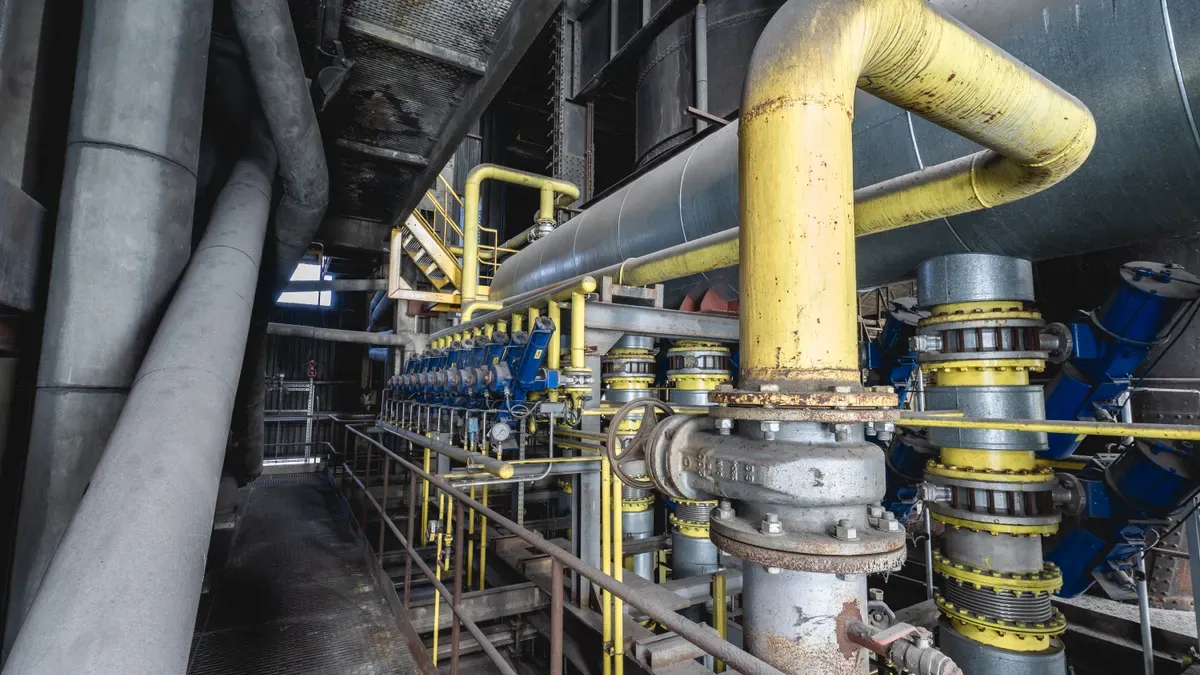
Fully welded ball valves are used in many industries. These valves are important for safety and long-lasting use. Their strong design helps protect your pipes and keeps things working well. Let’s see where you can use these valves and why they are important.
Oil, Gas, and Energy
You see fully welded ball valves in oil, gas, and energy jobs. These places have tough problems:
-
Corrosion happens, especially underwater, when protection fails.
-
Seals can break from high pressure or chemical changes.
-
Some valves are hard to reach, like underwater, so fixing them costs more.
-
Hard conditions need strong materials and good seals to keep the valve working.
You need a valve that can handle these tough jobs. A welded body stops leaks and is strong. This keeps your pipelines safe and working well. You protect your pipes and keep your system safe, even in rough places.
Water and Wastewater Systems
Fully welded ball valves work in water and wastewater systems. The sealed body stops leaks from gaskets or flanges. This means you get steady use, even if the valve is buried for years. The welded body fights rust and holds up under pressure. You can trust these valves underground. You will see fewer leaks and less time fixing things. Maintenance is easy because the body stays sealed. You only need to check the outside of the pipe. This saves money and keeps your pipes safe.
Industrial and Marine Uses
Factories and ships need valves that can handle tough jobs. Fully welded ball valves are good for these places because:
-
They work well in harsh environments and keep going.
-
They stop leaks, which is important for dangerous or valuable fluids.
-
They need little fixing, so you save money over time.
You can use these valves in chemical plants, refineries, ships, and offshore platforms. The welded body keeps your system safe and helps things run well. You get a valve that lasts and keeps your pipes strong.
You have learned that a full welded ball valve is strong and does not leak. This valve has a one-piece body and a special ball inside. It helps keep your system safe and the flow steady. Many experts pick LIANGGU VALVE because it is easy to use and seals well. It also lasts a long time. Look at the table below to see the main reasons:
|
Why Choose LIANGGU VALVE? |
What You Get |
|---|---|
|
Wear-resistant |
Lasts longer in tough conditions |
|
Good sealing performance |
Stops leaks, even under pressure |
|
Easy maintenance |
Simple to check and replace parts |
You can use this valve for oil, gas, water, and other things. As more companies grow and use smart tools, this valve will still be a top pick for safety and good work.
FAQ
What makes a fully welded ball valve different from other types?
You get a valve with a one-piece body. This design removes bolts and flanges. You see fewer leaks and more strength. The welded body helps the valve last longer in tough jobs.
Can you use a fully welded ball valve underground?
Yes, you can. The welded body keeps water and dirt out. You do not need to worry about leaks. This valve works well for buried pipelines and needs little maintenance.
How do you operate a fully welded ball valve?
You turn a handle or use an actuator. The ball inside the valve moves to open or close the flow. You get quick and easy control with just a quarter turn.
What industries use fully welded ball valves?
You find this valve in oil, gas, water, and chemical plants. It works well in energy, marine, and industrial systems. The strong body and tight seal make it a top choice.
How do you know if a valve meets safety standards?
You check the markings and documents. Each valve from LIANGGU VALVE passes strict tests. You see proof of compliance with API, ASME, and ISO rules.
